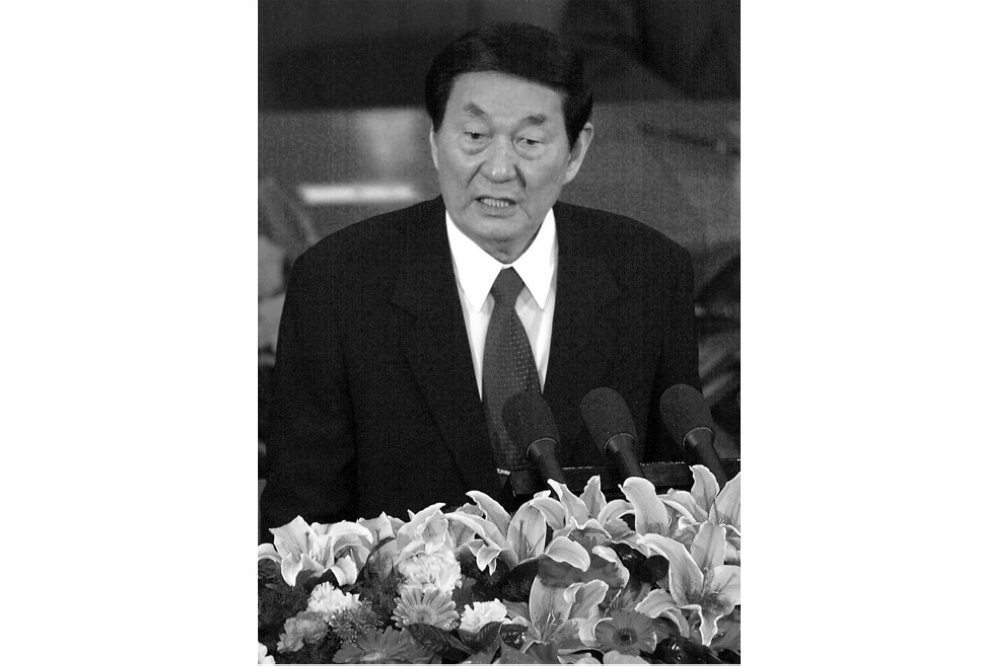
Prime Minister Datuk Seri Anwar Ibrahim has extended his condolences to the family of Zhu Rongji, the former Premier of China who passed away recently, highlighting the crucial contributions the Chinese statesman made toward strengthening the bilateral partnership between Malaysia and China. In his statement, Anwar characterised Zhu as a cherished ally who left an indelible mark on relations between the two nations during his influential years navigating China's economic transformation and international engagement.
Zhu Rongji served as Premier during a transformative period for China, overseeing major economic reforms and modernisation initiatives that reshaped the country's development trajectory. His tenure coincided with China's deeper integration into global trade systems and its expanding diplomatic footprint across Asia and beyond. The timing of his leadership proved significant for countries like Malaysia seeking to deepen economic partnerships with Beijing during an era when China was opening its markets and expanding its regional influence.
Anwar's tribute underscores the personal relationships that underpin state-to-state diplomacy in Southeast Asia. By publicly mourning Zhu as a "good friend," the Prime Minister acknowledged the human dimension of international relations—connections forged through dialogue, shared interests, and mutual respect that often prove more durable than formal agreements alone. Such expressions of genuine warmth from high-level officials signal continuity in bilateral relations even as personnel change.
The former Premier's impact on Malaysia-China relations extended across multiple domains. During Zhu's tenure in Beijing's top echelon, the two countries expanded trade cooperation, deepened cultural exchanges, and collaborated on infrastructure projects that would lay groundwork for later initiatives. Malaysia's strategic position along vital shipping lanes and its significant ethnic Chinese population made it a natural partner for China's outward-looking policies during that era. Zhu's pragmatic approach to economics and governance found resonance with Malaysian policymakers navigating their own development imperatives.
For Malaysian readers, Zhu's passing carries implications for understanding how China's leadership evolution has shaped the country's approach to Southeast Asian partnerships. The generation of Chinese leaders represented by Zhu brought particular emphasis on economic interdependence as a foundation for stable regional relations. Their successors have built upon this framework, though with differing priorities and approaches reflecting changing global circumstances.
Anwar's remarks also reflect the Malaysian government's consistent emphasis on maintaining strong ties with China regardless of domestic political fluctuations. Despite periodic tensions and strategic debates within Malaysia about the depth of China engagement, successive governments have recognised the economic reality of China's centrality to regional prosperity. Zhu exemplified a period when Chinese leadership prioritised pragmatic economic cooperation over ideological confrontation, a model that proved mutually beneficial for growth-oriented nations like Malaysia.
The tribute carries symbolic weight in Malaysia's broader diplomatic balancing act. As Kuala Lumpur navigates complex geopolitical pressures from major powers, honouring figures like Zhu who helped establish cooperative frameworks demonstrates Malaysia's commitment to maintaining relationships across the political spectrum. It signals that Malaysia values the institutional knowledge and precedents set by previous generations of Chinese leaders, even as current administrations in Beijing pursue contemporary strategic objectives.
Zhu's legacy in Malaysia-China relations extends to practical economic channels that continue operating today. Trade flows, investment patterns, and institutional partnerships established during his era remain embedded in the bilateral relationship. Malaysian businesses operating in China and Chinese enterprises invested in Malaysia benefit from the foundation of trust and understanding that figures like Zhu helped establish. His death thus represents the passing of a generation that personally shepherded China's integration into regional economics.
For students of Malaysian foreign policy, Zhu's significance lies partly in how his tenure demonstrates the importance of leader-to-leader relationships in shaping outcomes. The connections formed between Malaysian and Chinese officials during his years in power created networks and understandings that persisted through subsequent political changes in both countries. Anwar's personal acknowledgement of this friendship reflects his own experience in such relationship-building, a skill he has exercised throughout his political career.
Looking forward, Zhu's passing may prompt reflection in Malaysian policy circles about how current bilateral frameworks can be strengthened and modernised. While the economic cooperation template established during his era remains relevant, both countries face new challenges—from technological competition to climate action—that require fresh approaches. The foundation that Zhu helped lay provides a basis for tackling these contemporary issues, even if the specific mechanisms and priorities have evolved.
Anwar's condolences also acknowledge the demographic reality that defining figures from previous generations of Asian leadership are gradually passing from the scene. This passing of the torch makes preserving institutional memory and established conventions increasingly important for countries like Malaysia that rely on continuity in their strategic partnerships. By formally recognising Zhu's contributions, Anwar ensures that the principles and relationships he embodied remain acknowledged in Malaysia's diplomatic consciousness and guide future interactions with China.

