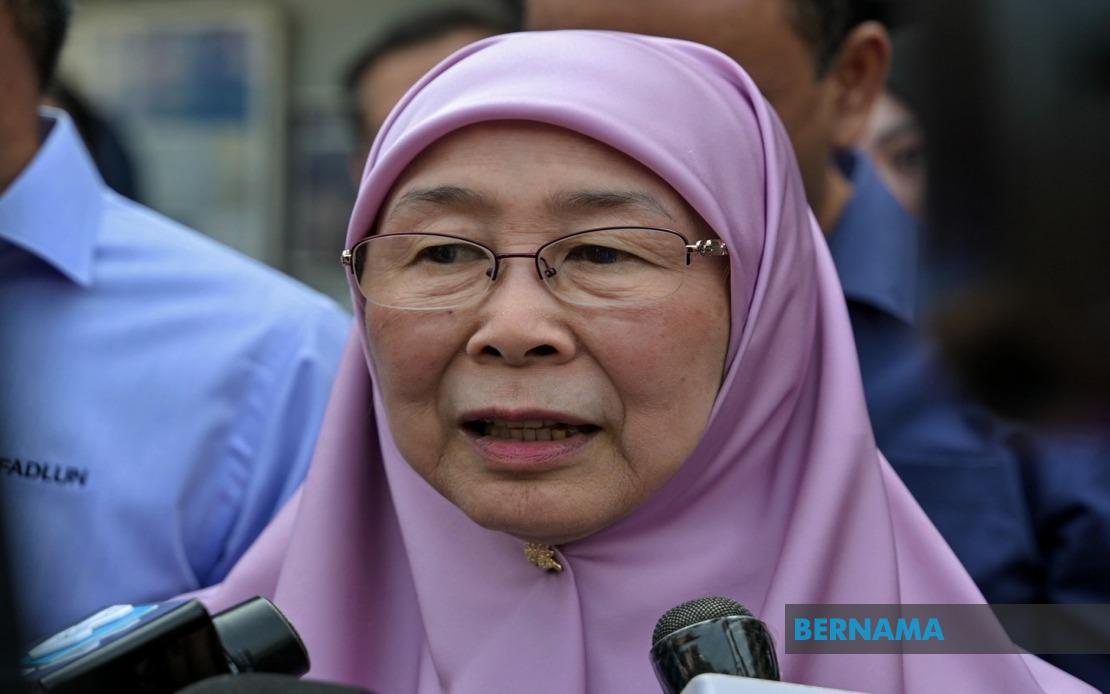
Prime Minister Datuk Seri Anwar Ibrahim was expected to be discharged from hospital on August 12 following his elective surgical intervention, according to an announcement made by his wife Datuk Seri Dr Wan Azizah Wan Ismail. The head of government conveyed his gratitude to all those who had offered prayers and well-wishes for his swift recovery and continued good health during his hospitalization.
Datuk Seri Dr Wan Azizah made the disclosure while addressing media representatives at the Semarak Merdeka programme, a community initiative tied to the 2026 National Month festivities hosted by the Kuala Lumpur City Hall's Bandar Tun Razak branch. Her statement came just days after the Prime Minister underwent the surgical procedure on Monday, providing the public with clarity regarding his medical status and anticipated return to his official duties.
The procedure undertaken by Anwar involved a minimally invasive laparoscopic approach designed to correct a para-umbilical hernia, a condition in which tissue protrudes through a weak spot in the abdominal muscles near the navel region. Such hernias, while often manageable through conservative observation, sometimes require surgical intervention to prevent complications or to address discomfort affecting daily functioning. The choice of an elective laparoscopic technique reflects contemporary surgical best practices, as this approach typically results in smaller incisions, reduced post-operative discomfort, and quicker recovery timelines compared to traditional open surgery methods.
The timing of Anwar's hospitalization raised questions about governmental continuity, though the Prime Minister's office had maintained that scheduled duties would proceed with appropriate delegation of responsibilities during his brief absence. Malaysia's constitutional framework provides mechanisms for interim leadership arrangements when the head of government requires medical attention, ensuring that critical decision-making processes and ministerial functions continue without disruption.
For Malaysian observers, the incident underscored broader conversations about the health and stamina demanded of high-level political office in an era of complex governance challenges. Southeast Asian nations have increasingly witnessed the intersection of leader wellness and political stability, with transparency around medical procedures now regarded as an accountability measure by both domestic and international stakeholders.
The news of Anwar's anticipated discharge would have signaled to markets and observers a swift return to normalcy, particularly given Malaysia's ongoing engagement with regional economic partnerships and domestic policy implementations. Any prolonged political uncertainty, even from medical causes, can create ripples through investor confidence and bureaucratic coordination.
Datuk Seri Dr Wan Azizah's public visibility at the Semarak Merdeka event itself conveyed reassurance about the stability of the nation's political leadership. Her articulate communication of the Prime Minister's condition and appreciation for public support demonstrated a strategic approach to medical transparency—informing the public without creating unnecessary alarm. The First Lady's engagement with National Month celebrations also reinforced the continuity of governmental representation at community-level initiatives.
The para-umbilical hernia, while a relatively common surgical condition affecting individuals across all demographics and professions, rarely generates significant public attention unless it involves high-profile figures. The procedure's successful completion and planned discharge highlighted the sophisticated medical infrastructure available within Malaysia's healthcare system, reinforcing international perceptions of the nation's medical capabilities.
Anwar's swift recovery trajectory also reflected positively on Malaysia's health services more broadly, particularly during a period when regional nations have sought to enhance their medical tourism profiles and demonstrate clinical excellence. The utilization of advanced laparoscopic techniques at domestic medical facilities showcased the caliber of surgical expertise available within the country.
The broader context of political leadership health in Malaysia encompasses generational considerations as well. With several senior figures managing the complexities of governance whilst navigating age-related health management, the nation has grappled with questions about succession planning, institutional resilience, and the distinction between personal wellness and political capability. Anwar's prompt treatment and expected rapid return to duties reinforced the notion that managing health proactively demonstrates responsible stewardship.
The public expression of gratitude for prayers and well-wishes, conveyed through Datuk Seri Dr Wan Azizah, resonated within Malaysia's multi-faith society where such acknowledgments carry cultural significance. The inclusive nature of the sentiment—appealing to prayers from diverse communities—reflected the inclusive political positioning the Prime Minister has cultivated.
As Malaysia continues navigating economic recovery, regional diplomatic engagement, and domestic policy priorities, the swift resolution of Anwar's medical situation appeared to remove a temporary variable from political calculations. The expected discharge on August 12 signaled an imminent return to full governmental function, allowing the administration to maintain momentum on its policy agenda without interruption.
The incident, though brief in duration, provided a reminder of how even routine medical procedures involving national leaders demand careful communication and reassurance mechanisms in contemporary governance. The handled transparency appeared to have satisfied public information needs while maintaining appropriate boundaries regarding personal medical details.

