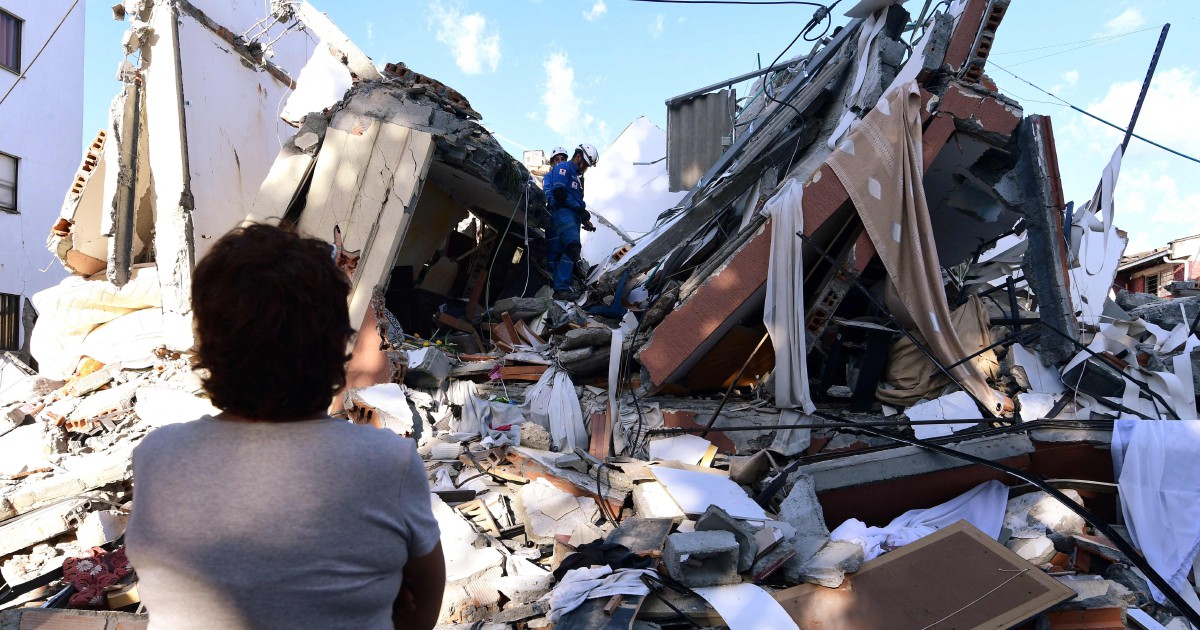
Prime Minister Datuk Seri Anwar Ibrahim has reached out to the Colombian government and affected families following a powerful earthquake that devastated communities across western Colombia, underscoring Malaysia's commitment to extending humanitarian support during international crises.
The seismic event, which struck the western portions of Colombia, resulted in significant casualties and widespread destruction across multiple municipalities. Such earthquakes are particularly destructive in the Andean region due to its complex geological structure and the high population density in vulnerable areas. The immediate aftermath of such disasters typically involves urgent rescue operations, damage assessments, and mobilisation of emergency services to assist survivors trapped in collapsed structures and displaced populations.
Anwar's expression of sympathy reflects Malaysia's established diplomatic protocols in responding to major natural disasters affecting other nations. The gesture carries particular significance given the global nature of humanitarian crises, which transcend geographical and political boundaries. Malaysia, itself situated in a region susceptible to natural hazards including earthquakes and tsunamis, understands the profound challenges faced by nations grappling with large-scale disasters and the urgent need for coordinated international responses.
Colombia's western region, particularly areas near the Pacific coast and Andean cordillera, represents some of the most seismically active zones in South America. The country's geological vulnerability stems from its position along major fault lines and the convergence of multiple tectonic plates. Communities in these regions have historically experienced periodic seismic activity, though the intensity and impact of individual events can vary dramatically depending on their magnitude, depth, and proximity to populated centres.
The Malaysian government's diplomatic outreach typically encompasses both official condolences and practical considerations regarding potential humanitarian assistance. In the aftermath of major international disasters, Malaysia has previously coordinated with international bodies and contributed resources where feasible, reflecting the nation's values of mutual aid and regional cooperation. Such gestures strengthen bilateral relationships and demonstrate Malaysia's role as a responsible member of the international community.
The earthquake's impact extends beyond immediate casualties to include long-term challenges for Colombian society. Infrastructure damage, disruption to supply chains, displacement of vulnerable populations, and psychological trauma among survivors represent substantial recovery obstacles. The reconstruction process often requires sustained international attention and support, particularly for developing nations with limited fiscal resources to mobilise rapid recovery efforts independently.
For Malaysia specifically, understanding international disaster response mechanisms carries practical relevance. The nation's geographical exposure to natural hazards—including the 2004 Indian Ocean tsunami that killed thousands of Malaysians—has shaped the country's approach to disaster preparedness and international humanitarian cooperation. The Malaysian government's consistent expressions of solidarity with nations facing natural disasters reflect this hard-won experience and commitment to fostering global resilience.
Colombia, as a significant South American economy and strategic partner in hemispheric affairs, maintains diplomatic relations with numerous nations including Malaysia. The bilateral relationship encompasses trade, cultural exchanges, and increasingly, cooperation on climate and environmental issues. During periods of crisis, these diplomatic channels prove invaluable for coordinating humanitarian assistance and demonstrating mutual respect between nations regardless of geographic distance.
The earthquake underscores the ongoing vulnerability of developing regions to natural hazards and the disparity in disaster response capacities between wealthy and less-resourced nations. International bodies such as the United Nations, World Health Organization, and International Federation of Red Cross and Red Crescent Societies typically coordinate relief efforts, channelling assistance from capable nations to those most severely affected. Malaysia's participation in these mechanisms, both through financial contributions and expert deployment where appropriate, reinforces its commitment to global humanitarian standards.
Anwar's condolences also highlight the role of diplomatic leadership in acknowledging human suffering and expressing solidarity across cultural and geographical divides. Prime ministerial statements regarding international disasters carry symbolic weight, signalling to affected populations that their tragedy is recognised and that the international community stands ready to assist. Such communications, though appearing ceremonial, serve important functions in maintaining diplomatic goodwill and demonstrating shared human values.
The immediate priority for Colombian authorities will focus on search and rescue operations, medical care for the injured, and emergency shelter for those displaced by the disaster. International technical expertise in earthquake response, structural engineering assessment, and disaster medicine may prove valuable as local resources are stretched. Malaysia's networks within international disaster response communities position it to contribute meaningfully if Colombian authorities request specific assistance.
Looking forward, the earthquake will likely prompt reassessment of building codes, early warning systems, and disaster preparedness measures throughout western Colombia. Lessons learned from major seismic events contribute to gradually improving resilience across vulnerable regions. Malaysia's own experiences with natural disasters have led to enhanced warning systems, building standards, and evacuation protocols that continue evolving based on scientific advances and international best practices shared through diplomatic and technical channels.
Anwar's expression of sympathy represents Malaysia's consistent engagement with the international community during moments of crisis, reinforcing the nation's identity as a responsible global actor committed to humanitarian principles. As Colombia begins the lengthy recovery process, continued international support and monitoring will remain essential, with gestures of solidarity from countries like Malaysia contributing to the broader framework of global mutual assistance.

