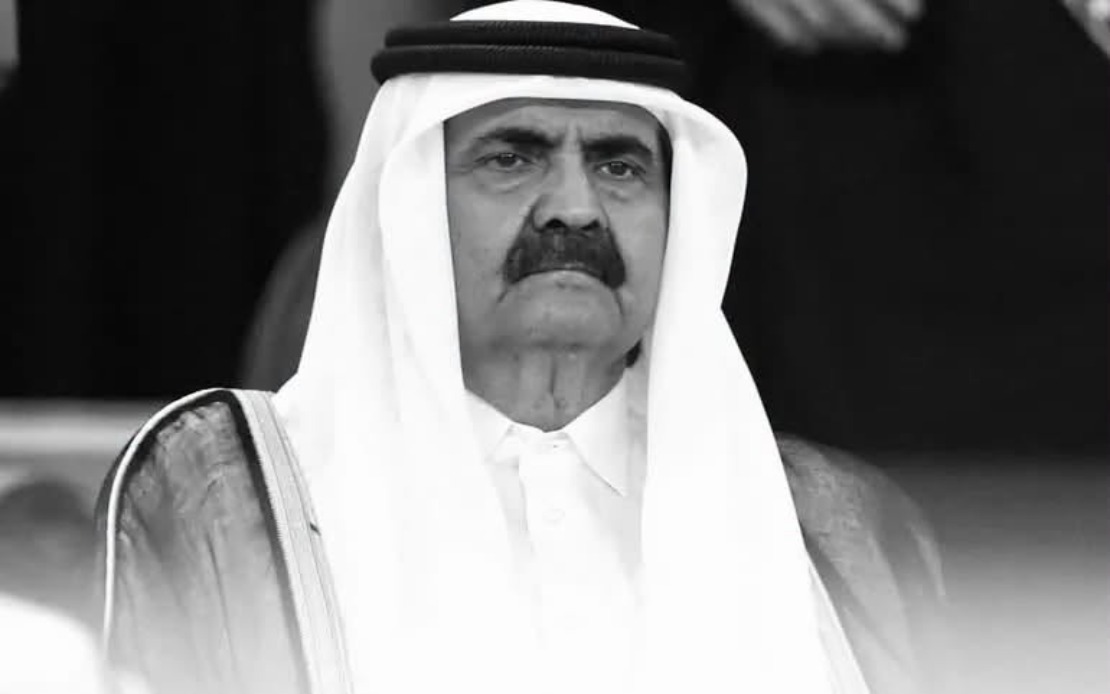
Prime Minister Datuk Seri Anwar Ibrahim has conveyed Malaysia's formal condolences to Qatar's current Amir Sheikh Tamim bin Hamad Al Thani, the broader royal family, and the citizens of Qatar following the death of Sheikh Hamad bin Khalifa Al Thani, known as the Father Amir. The former leader passed away on Sunday morning at the age of 74, according to an announcement from Qatar's Amiri Diwan. Through a statement shared on social media, Anwar acknowledged the profound loss experienced by the Gulf nation and its people during this period of mourning.
The Prime Minister used the occasion to reflect on Sheikh Hamad's substantial legacy, particularly his role in positioning Qatar as a consequential player on the world stage. During his 18-year tenure as Amir between 1995 and 2013, Sheikh Hamad presided over a period of dramatic transformation that reshaped Qatar's economic trajectory and international standing. Anwar emphasised that under his stewardship, the country achieved impressive economic milestones whilst simultaneously gaining recognition as a significant contributor to both regional discussions and global diplomatic conversations.
A defining moment in Sheikh Hamad's reign, according to Anwar's assessment, was his voluntary transition of power in 2013. The Prime Minister characterised this decision as a demonstration of genuine statesmanship, highlighting how Sheikh Hamad peacefully transferred authority to his son, Sheikh Tamim, rather than clinging to power indefinitely. This orderly succession represented a notable instance within the Gulf region of planned leadership change, contrasting with the more opaque and occasionally contested transitions witnessed elsewhere in the Arabian Peninsula and broader Middle East.
Anwar also underscored the bilateral dimension of Malaysia's relationship with Qatar under Sheikh Hamad's leadership. The former Amir was described as a steadfast ally to Malaysia throughout his reign, helping to foster ties between the two nations across diplomatic, economic, and cultural spheres. Beyond bilateral relations, Anwar acknowledged Sheikh Hamad's respected status throughout the Islamic world, recognising his influence and moral authority among Muslim-majority nations and communities across the globe.
The timing of Sheikh Hamad's passing carries significance for Malaysia's broader Gulf engagement strategy. Qatar remains an important partner for Malaysian interests in the region, particularly in energy markets, investment flows, and diplomatic cooperation on regional security matters. The transition period following a former leader's death often provides opportunities for Malaysia to reinforce its relationship with the new administration whilst honouring the departing figure's contributions to bilateral ties.
From a broader Southeast Asian perspective, Sheikh Hamad's four decades of involvement in Qatari politics—including his earlier role as chairman of the Qatar armed forces before becoming Amir—witnessed the transformation of his nation from a regional actor into a globally consequential player with significant soft power capabilities. His tenure coincided with the development of the massive natural gas reserves that would underpin Qatar's economic power, though the strategic investments and diplomatic positioning were equally instrumental in establishing Qatar's international footprint.
The peaceful transfer of authority to Sheikh Tamim in 2013 remains instructive for governance conversations across the Muslim world and the developing nations more broadly. Rather than viewing power transfer as a threat to stability or family interests, Sheikh Hamad demonstrated that planned succession could reinforce institutional legitimacy and demonstrate confidence in the next generation's capability to lead. This approach contrasted sharply with the turbulent succession disputes that have characterised some neighbouring states and contributed to regional instability.
Malaysia's expression of condolences through the Prime Minister's office represents standard diplomatic protocol whilst also reflecting the genuine warmth that has characterised Malaysia-Qatar relations across multiple administrations. Both nations are significant players in Islamic civilisation discourse, maintain active engagement within Organisation of Islamic Cooperation forums, and share interests in addressing common challenges facing Muslim-majority countries on matters of economics, security, and cultural preservation.
The passing of Sheikh Hamad marks the conclusion of a chapter in contemporary Middle Eastern history during which Qatar emerged from relative obscurity to become a nation capable of hosting major international sporting events, funding significant cultural institutions, and wielding considerable diplomatic influence. His decision to step aside for a new generation demonstrated a maturity of vision that extended beyond personalised rule toward institutional development. Anwar's acknowledgement of this legacy, through his invocation of Islamic prayers for the deceased and his tribute to Sheikh Hamad's contributions, reflects Malaysia's appreciation for the late leader's role in strengthening Malaysia-Qatar partnership over nearly two decades of engagement.

