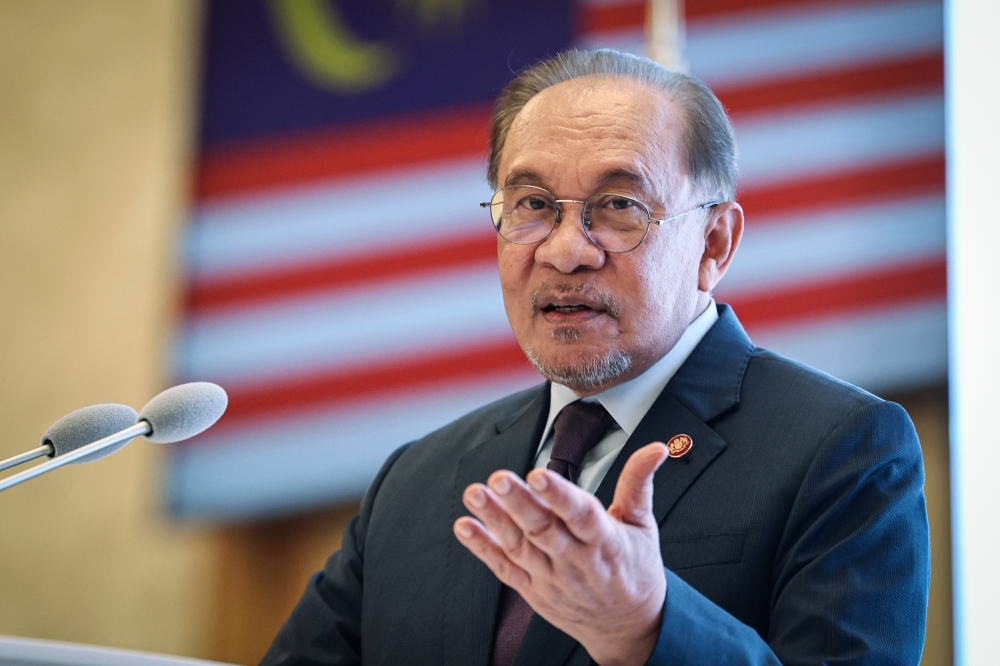
Prime Minister Datuk Seri Anwar Ibrahim has publicly acknowledged the outpouring of prayers and well-wishes from Malaysians during a period of health concerns, reaffirming his commitment to parliamentary duties as the nation's top elected official prepares to convene a special sitting focused on the Tabung Haji Royal Commission of Inquiry report.
The Pakatan Harapan leader's expression of gratitude underscores the broader Malaysian political culture in which public figures routinely recognise the role of collective goodwill during moments of personal vulnerability. Such acknowledgements, while customary, carry particular weight in the Malaysian context where multiethnic and multireligious constituencies engage in cross-community expression of concern for national leaders. Anwar's statement reflects both his recovery from whatever ailment prompted recent health concerns and his determination to remain actively engaged in parliamentary business.
The planned special parliamentary sitting represents a significant development in the ongoing scrutiny of Tabung Haji's operations and governance. The pilgrimage fund, formally known as Lembaga Tabung Haji Malaysia, has faced mounting pressure in recent years over concerns regarding its financial management, investment decisions, and transparency. The Royal Commission of Inquiry established to investigate these matters has now completed its work, and the findings are substantial enough to warrant dedicated parliamentary time for thorough deliberation rather than being squeezed into regular legislative schedules.
For Malaysian readers, the Tabung Haji issue carries particular resonance given the fund's central role in facilitating hajj pilgrimages for millions of Muslim Malaysians. The institution manages savings and investments for approximately two million account holders, making it one of the country's most significant financial entities serving the grassroots Muslim community. Any governance failings or financial irregularities at Tabung Haji therefore affect not only institutional credibility but also the retirement and hajj aspirations of countless ordinary Malaysians who have entrusted their savings to the organisation.
The decision to hold a special parliamentary sitting rather than incorporate the discussion into standard legislative calendars signals the government's recognition that the RCI report addresses matters requiring sustained debate and comprehensive parliamentary scrutiny. This procedural choice also demonstrates the administration's willingness to facilitate detailed legislative oversight rather than managing the issue through executive channels alone. In Malaysian parliamentary tradition, special sittings convened specifically for particular topics allow backbench members greater opportunity to contribute and ensure that detailed examination takes precedence over time constraints.
Anwar's confirmation of his participation in this sitting, following his recent health matters, provides reassurance regarding his ability to lead parliamentary proceedings and respond to substantive policy issues. His physical presence and engagement in the Tabung Haji discussion carry symbolic weight in a political environment where questions about prime ministerial capacity occasionally surface in public discourse. The scheduling of this special sitting demonstrates continuity of governance and the administration's forward momentum on accountability measures.
From a regional perspective, Malaysia's willingness to conduct public inquiries into governance failures at major state-linked institutions and to dedicate parliamentary time to debating findings reflects institutional maturity and commitment to transparency standards that distinguish the country within Southeast Asia. While governance concerns remain worthy of scrutiny across the region, the Malaysian approach of establishing formal commissions and scheduling parliamentary debates illustrates mechanisms available to democracies for addressing systemic issues with institutional credibility intact.
The Tabung Haji RCI report will likely contain recommendations spanning governance structures, investment oversight, regulatory frameworks, and accountability mechanisms. Parliamentary debate will provide an opportunity for legislators from both government and opposition benches to question ministerial responses to RCI findings and to propose amendments to legislation governing the fund's operations. Such transparent deliberation serves both the immediate purpose of addressing specific institutional failures and the broader objective of reinforcing public confidence in parliamentary democracy.
The timing of this special sitting also comes amid broader discussions within Malaysian policy circles regarding reform of government-linked companies and statutory bodies. The Tabung Haji examination thus occurs within a wider context of institutional reckoning and governance modernisation. Parliament's forthcoming debate will generate precedents and establish expectations for how Malaysia's legislative branch engages with inquiries into other major institutions facing operational or financial challenges.
Anwar's personal statement of thanks also reflects the Malaysian political custom of acknowledging spiritual and communal support networks. In a society where religious faith remains central to public discourse, such expressions of gratitude to those who offered prayers carry genuine cultural significance and reinforce the normative expectations that national leadership remains connected to community values and collective expressions of hope for the nation's wellbeing and stability.

