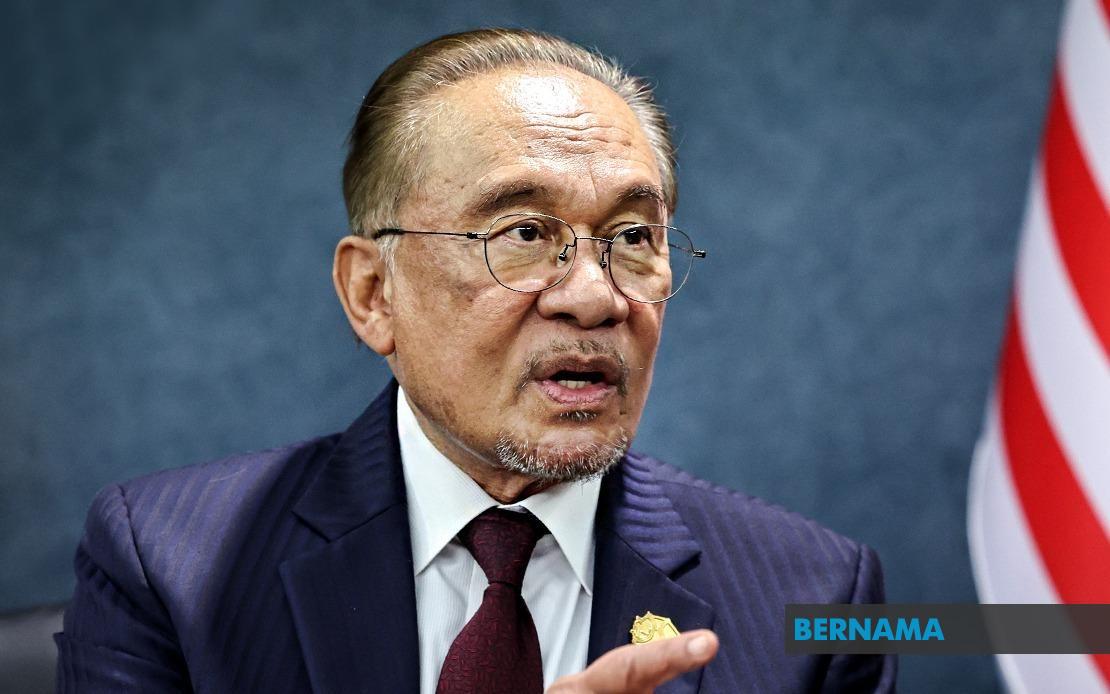
Prime Minister Datuk Seri Anwar Ibrahim extended his congratulations to Senator Datuk Nur Jazlan Mohamed on July 20 following the confirmation of his reappointment as Deputy Senate President for another term. The announcement came during proceedings at the Dewan Negara, where the PM took the opportunity to formally recognise the achievement before the chamber's Question Time session. Nur Jazlan's reappointment reflects continued confidence in his leadership within Malaysia's upper parliamentary chamber, a position he previously held with recognition for his contributions to legislative work.
Alongside the Deputy Senate President, the Prime Minister also acknowledged the reappointment of Senator Musoddak Ahmad, whose return to the chamber underscores the stability of parliamentary representation within the government's legislative framework. Both senators had earlier taken their oath of office in the presence of Senate President Datuk Awang Bemee Awang Ali Basah, formally formalising their return to their respective positions. The ceremonial nature of these appointments reflects the constitutional protocols governing Malaysia's bicameral parliament and the importance attached to upper house deliberations in the nation's lawmaking process.
The Dewan Negara, as Malaysia's second chamber, plays a crucial advisory and revising role in the legislative process, examining bills referred from the Dewan Rakyat and providing scrutiny on matters of national importance. The Deputy Senate President serves a significant institutional function, often presiding over debates and ensuring parliamentary decorum. Nur Jazlan's second term reflects his experience in navigating the complexities of upper house governance and his ability to manage legislative business effectively. Such reappointments typically signal the administration's satisfaction with how parliamentary business has been conducted and the quality of contributions made by senior officials.
The reappointment process itself forms part of Malaysia's system of checks and balances, where the upper house maintains independence whilst remaining connected to executive governance. Senators are appointed rather than elected, with the Deputy Senate President selected from amongst their ranks to manage daily proceedings. The confirmation of experienced individuals to these positions ensures continuity in parliamentary operations and provides stability during a period when Malaysia's political landscape has seen substantial flux and coalition realignment. Anwar's public acknowledgment of these appointments demonstrates the government's commitment to maintaining functional parliamentary institutions.
Beyond the formal parliamentary business, the Prime Minister also displayed his lighter side during the sitting, remarking that he had become an enthusiastic supporter of Spain following the nation's triumph at the 2026 FIFA World Cup. The Spanish national team defeated defending champions Argentina 1-0 in the championship final held at MetLife Stadium in East Rutherford, with Ferran Torres securing victory with a goal in the 106th minute. The jocular comment provided a moment of levity during parliamentary proceedings, humanising the senior government figure whilst also acknowledging the significant sporting achievement of the European nation.
Argentina's challenge in the final was hampered by a significant disadvantage, as midfielder Enzo Fernández received a red card that reduced the team to ten players during the match. This numerical disadvantage proved decisive in determining the outcome, as Spain capitalised on their superior positioning to secure their second World Cup title in the tournament's history. The casual reference by the Prime Minister to this high-profile sporting event reflects the global resonance of international football competition and its intersection with political discourse, a phenomenon familiar to Malaysian audiences who follow football with considerable enthusiasm.
The intersection of parliamentary business and sporting commentary, whilst seemingly disparate, illustrates how senior political figures navigate public communication and the informal dimensions of legislative work. Such moments of humour and relatability serve important functions in maintaining public engagement with political institutions, demonstrating that elected officials remain connected to broader societal interests and concerns beyond formal governance. For Malaysian observers, the Prime Minister's willingness to discuss international sporting events alongside substantive parliamentary matters normalises the role of government leadership as culturally embedded within broader national and global contexts.
The reappointment proceedings themselves hold significance for Malaysia's ongoing efforts to strengthen institutional governance and ensure consistency in parliamentary operations. Under Anwar's administration, the government has emphasised the importance of institutional stability and the maintenance of robust checks and balances within the political system. The confirmation of experienced legislators to senior positions within the upper house reflects this commitment and sends a signal to both domestic and international observers that Malaysia's parliamentary institutions continue to function with purpose and efficacy despite broader political challenges.
Looking forward, the reappointments of both Nur Jazlan and Musoddak Ahmad position the government to continue its legislative agenda whilst maintaining collegial relationships within the upper house. The Dewan Negara's role in scrutinising and refining legislation passed by the lower chamber remains critical to Malaysia's democratic functioning, and the retention of experienced hands in key positions supports the effective administration of parliamentary business. For Malaysian readers following political developments, these appointments underscore the ongoing importance of institutional continuity and the governance structures that underpin the nation's democratic framework.

