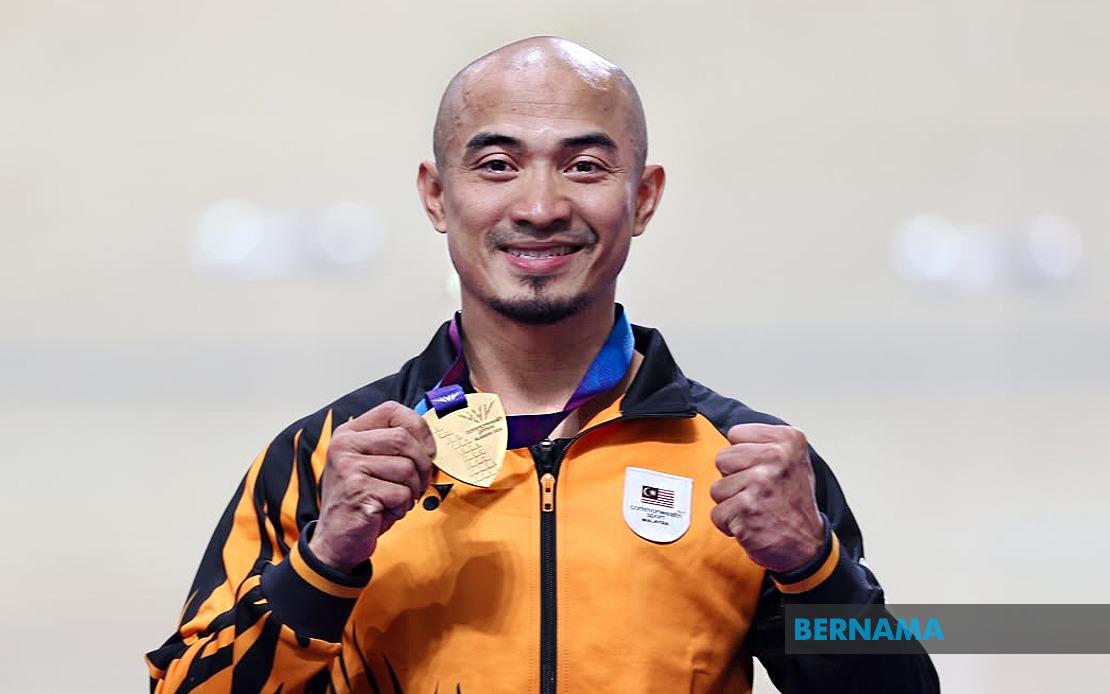
Prime Minister Datuk Seri Anwar Ibrahim has offered his congratulations to national cycling champion Datuk Mohd Azizulhasni Awang following a landmark victory at the 2026 Commonwealth Games in Glasgow. The athlete, affectionately known as "The Pocket Rocketman" for his diminutive stature and explosive racing style, claimed gold in the men's keirin event at the Sir Chris Hoy Velodrome, bringing an end to a remarkable 16-year wait for Commonwealth Games supremacy in the discipline. The triumph represents a watershed moment in Azizulhasni's distinguished sporting career and underscores the depth of talent within Malaysia's track cycling programme.
In remarks shared via social media, Anwar highlighted the significance of the achievement beyond individual sporting glory, characterising it as a reflection of the athlete's dedication and mental fortitude. The Prime Minister noted that Azizulhasni's success stemmed from "unwavering determination, perseverance and fighting spirit," qualities he suggested would resonate as an inspiration for Malaysian youth. By positioning the victory within a broader narrative of national pride and aspirational sporting excellence, Anwar's public endorsement amplified the win's cultural resonance across Malaysia and reinforced the government's investment in elite athletic development.
Azizulhasni's path to victory involved a commanding performance against formidable international opposition. The Malaysian cyclist finished ahead of Australia's Leigh Hoffman, who captured the silver medal, and England's Harry Ledingham-Horn, who took bronze. This podium configuration highlights the competitive nature of Commonwealth track cycling and demonstrates that Azizulhasni's prowess extends beyond regional competition—a particularly noteworthy achievement given that keirin racing demands explosive power, tactical acumen, and nerves of steel in high-pressure finales.
The 2026 Glasgow triumph arrives at an opportune moment in Azizulhasni's career arc, following his illustrious Olympic experience. As a silver medallist from the Tokyo 2020 Olympic Games held in 2021, the athlete has previously demonstrated his capacity to compete at the sport's highest echelon. Yet Commonwealth Games success had remained elusive across multiple campaigns, making this breakthrough victory all the more psychologically significant for an athlete who has invested decades into track cycling excellence.
Azizulhasni's fourth appearance at the Commonwealth Games now includes a prestigious gold medal to accompany his earlier bronze medal finishes. He had previously claimed bronze in the team sprint at the 2010 New Delhi Games and, remarkably, bronze in the keirin at the 2014 Glasgow Games—meaning he returned to the same velodrome twelve years later to finally claim the gold medal in his signature event. This narrative of persistence and redemption provides compelling context for Malaysian sports enthusiasts and underscores the psychological resilience required to sustain elite athletic performance across multiple Olympic cycles.
Beyond the individual achievement, Azizulhasni's gold medal holds significant implications for Malaysia's overall performance at Glasgow 2026. The victory marks the Malaysian track cycling contingent's first gold medal of the Games edition and delivers the nation's seventh gold medal overall in the medal standings. This contribution to Malaysia's medal tally reflects the strategic importance of track cycling within the country's Commonwealth Games medal-winning portfolio—a discipline where Malaysian cyclists have demonstrated consistent competitiveness on the international stage.
Fellow Malaysian rider Muhammad Shah Firdaus Sahrom also participated in the keirin event, finishing seventh and thereby securing valuable competitive experience against elite international rivals. The presence of multiple Malaysian competitors in the same event underscores the depth developing within the national programme and suggests that investment in track cycling infrastructure and coaching expertise is yielding returns across the athlete roster rather than depending solely on individual champions.
The keirin event itself carries particular cultural and sporting significance in the Commonwealth Games context. Derived from Japanese track racing traditions, the discipline combines sprinting prowess with tactical positioning and demands athletes navigate the complex dynamics of mass-start competition. Azizulhasni's mastery of these elements, demonstrated convincingly in Glasgow, positions him as a technical exemplar within the sport and validates Malaysia's approach to track cycling development.
From a broader Southeast Asian perspective, Azizulhasni's victory reinforces Malaysia's standing as a track cycling powerhouse within the region. The achievement adds to the nation's rich cycling heritage and contributes to regional prestige in a sport where Malaysian athletes have consistently punched above their weight in international competition. For younger Southeast Asian athletes aspiring to Commonwealth Games and Olympic success, Azizulhasni's perseverance through multiple campaigns before achieving ultimate success offers a compelling model of resilience and long-term athletic commitment.
The timing of this achievement within Malaysia's broader sporting calendar may also serve as a morale-boosting moment for the national sports ecosystem. In an era where Malaysian athletes face intense international competition and domestic funding pressures, high-profile victories in prestigious global sporting events provide tangible evidence of progress and justify continued investment in athletic development programmes. Anwar's public celebration of the achievement signals government recognition of cycling's importance to Malaysia's sporting identity and international reputation.
Looking forward, Azizulhasni's Glasgow 2026 victory may trigger renewed interest in track cycling among Malaysian youth and could influence recruitment and development decisions within national cycling federations. Athletes observing a peer achieve Commonwealth Games gold after sustained effort across multiple Games campaigns may find motivation to persist through their own development journeys. The demonstration that Olympic silver medal success can eventually be complemented by Commonwealth Games gold provides a narrative of career progression that differs from the traditional single-achievement model.
The victory also carries diplomatic undertones, reinforcing sporting ties between Malaysia and the broader Commonwealth network. Track cycling at the Commonwealth Games represents a shared sporting tradition among member nations, and Azizulhasni's success contributes to Malaysia's cultural footprint within this international community. For a nation increasingly conscious of its global sporting image, the contribution to the Games' competitive spectacle through high-quality athletic performances serves purposes extending beyond medal counting into realms of international relations and soft power projection.

