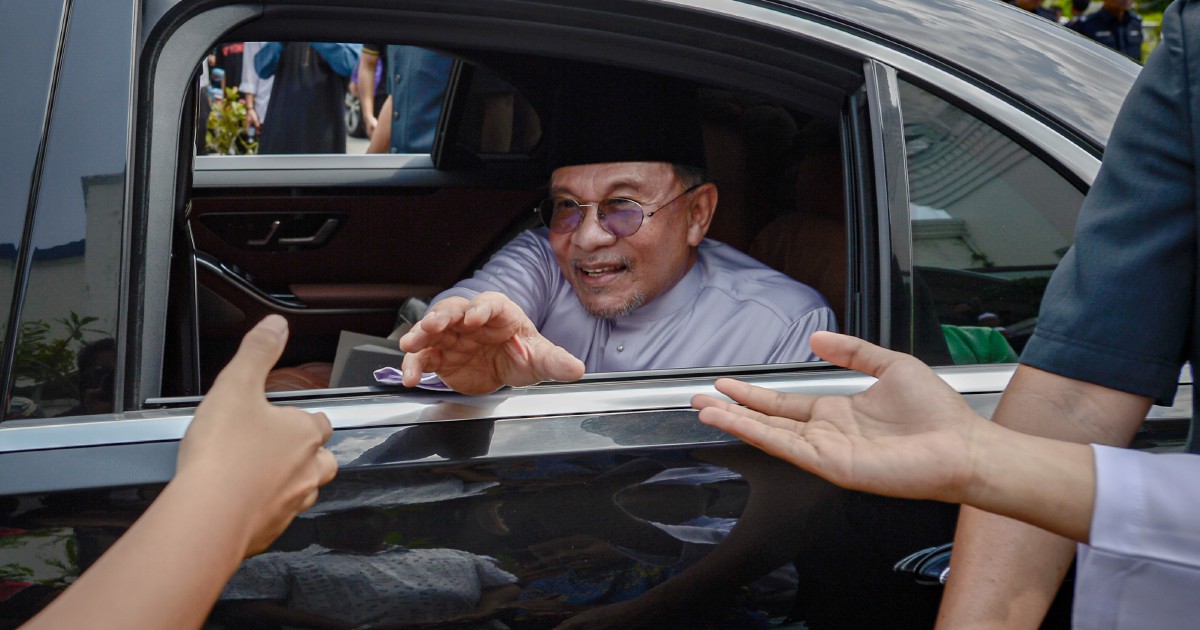
Prime Minister Datuk Seri Anwar Ibrahim is taking to the campaign trail in Negri Sembilan as Pakatan Harapan makes a concerted effort to solidify its position ahead of the state election. The visit marks a strategic move by the coalition to reinforce grassroots support and galvanise party machinery in a territory where it seeks to consolidate gains and improve upon its current standing.
Anwar's direct involvement in Negri Sembilan campaigning underscores the coalition's recognition that state-level contests demand high-profile leadership presence to energise both party loyalists and persuadable voters. The Prime Minister's participation serves multiple purposes: demonstrating coalition unity, articulating a coherent policy vision, and reminding voters of the government's achievements since returning to federal power. In the Malaysian political context, such personal intervention by the sitting Premier carries considerable symbolic weight and typically translates into heightened media coverage and public attention.
Negri Sembilan holds particular significance within the broader electoral landscape as a swing state where outcomes can shift depending on campaign intensity and voter turnout. The state's mixed urban-rural composition means that appeals must resonate across diverse constituencies with varying priorities, from economic development in towns to agricultural concerns in countryside areas. Pakatan Harapan's strategy of deploying its most senior figure reflects awareness that consolidating ground-level support requires continuous reinforcement rather than passive reliance on past victories.
The timing of this campaign visit also reflects broader trends in Malaysian politics where state elections have become increasingly contentious and unpredictable. Over recent years, traditional patterns of voting have become less reliable, with swing seats multiplying across most states. This volatility means coalitions cannot afford complacency, particularly when they hold office and face voter expectations regarding delivery of promises. Anwar's active presence signals that Pakatan Harapan takes this election seriously and is prepared to invest leadership resources to secure outcomes.
For Pakatan Harapan, maintaining electoral momentum at state level remains crucial for sustaining its federal position and demonstrating continued public confidence. State victories reinforce the narrative of a government with genuine popular support, while setbacks can embolden opposition voices and create internal coalition tensions. The coalition comprises multiple parties with distinct bases, requiring coordinated campaigning to prevent fragmentation and ensure voters perceive a unified entity capable of delivering governance.
Anwar's campaign efforts in Negri Sembilan will likely focus on economic messaging and delivery narratives, given that these remain central to voter preoccupations across Malaysia. Cost of living concerns, employment opportunities, and infrastructure development are themes that resonate particularly strongly in the current political environment. By appearing personally in the state, the Prime Minister can address these concerns directly and showcase commitment to local development priorities.
The visit also represents an opportunity for Pakatan Harapan to strengthen connections with local party machinery and iron out any internal coordination issues that may have emerged during the election campaign period. Party structures function most effectively when senior leadership remains visible and engaged, particularly in competitive electoral environments where sustained motivation among grassroots activists directly influences campaign quality and voter contact intensity.
From a broader Southeast Asian perspective, Malaysia's state elections contribute to regional political dynamics by demonstrating the vibrancy of democratic competition in the country. Unlike some neighbouring jurisdictions, Malaysian state contests remain genuinely competitive affairs where multiple parties campaign openly and outcomes genuinely depend on voter preferences rather than predetermined results. This characteristic has sustained Malaysia's reputation as a functioning electoral democracy despite periodic concerns about political polarisation.
Anwar's campaign participation also carries implications for how Pakatan Harapan manages internal coalition dynamics moving forward. Visible prime ministerial engagement with state-level campaigning helps ensure that coalition partners receive adequate support and feel invested in collective success rather than viewing state elections as separate contests where they stand alone. This integrated approach strengthens coalition cohesion during the demanding campaign period when stress on party relationships often emerges.
The coalition's decision to deploy top leadership in Negri Sembilan also reflects calculations about resource allocation across multiple simultaneous electoral contests. Malaysian politicians operate in an environment where frequent elections at various levels mean that campaigning seasons overlap considerably, forcing leaderships to prioritise their time across multiple venues and jurisdictions. Anwar's presence in Negri Sembilan thus represents a deliberate judgment that this state deserves concentrated attention relative to other electoral battlegrounds.
As Pakatan Harapan pursues its state election objectives, the coalition faces the perennial challenge of translating electoral campaigns into legislative gains and subsequently converting those gains into effective governance. Voters increasingly evaluate coalitions not merely on campaign promises but on demonstrated ability to deliver tangible improvements to living standards and public services. Anwar's campaign messaging must therefore balance aspirational appeals with grounded acknowledgment of achievements already delivered and realistic timelines for future improvements.
The campaign trail visit in Negri Sembilan exemplifies how contemporary Malaysian electoral politics demands active, sustained engagement from senior leadership figures. Rather than relying on party machinery alone, Pakatan Harapan recognises that prime ministerial presence generates momentum, attracts media attention, and provides reassurance to coalition supporters that their leaders take state contests seriously. This approach has become increasingly standard across Malaysian political coalitions seeking to maintain or expand electoral fortunes in the competitive multi-party environment.

