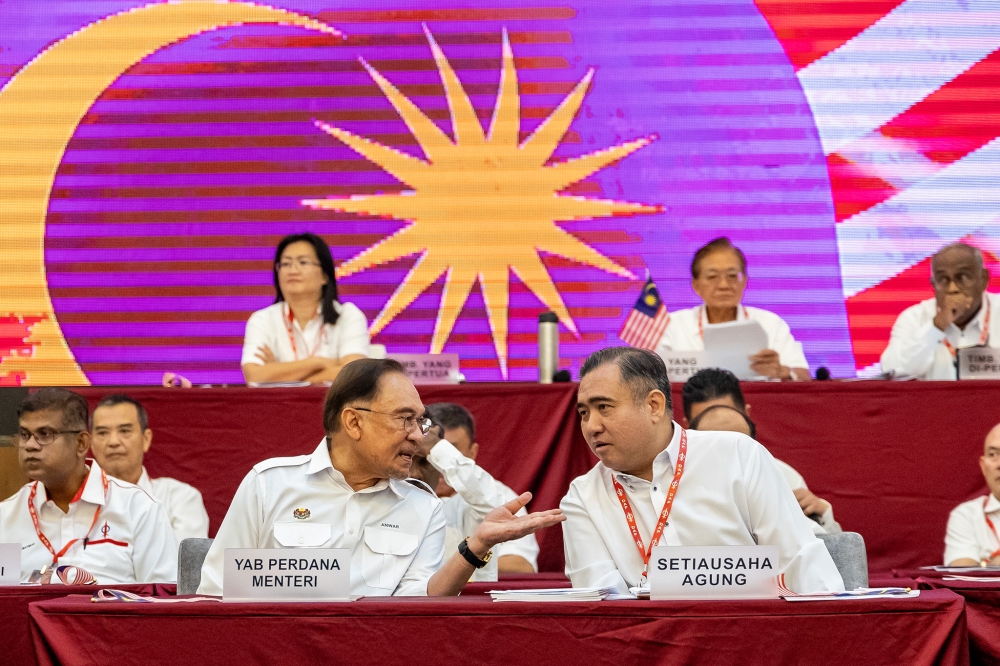
Prime Minister Datuk Seri Anwar Ibrahim has made a direct appeal to the Melaka branch of the Democratic Action Party to reconsider its decision to withdraw from the state government, emphasizing the importance of maintaining the coalition's strength and governance continuity in the southern state. Speaking in Port Dickson on July 14, Anwar highlighted the potential risks of political instability that could result from the DAP's departure, underscoring his conviction that the party should sustain its involvement in steering state affairs until the next election cycle arrives.
The intervention by Malaysia's top political leader reflects growing concerns within the federal coalition about the ripple effects of state-level political manoeuvres on the broader unity agenda. Melaka has held considerable symbolic importance within the ruling Pakatan Harapan structure, serving as a testing ground for multi-ethnic coalition governance in a state with a Malay-majority population. The DAP's decision to exit the state government represents a significant rupture in this arrangement, threatening the cohesion that the federal administration has worked to establish and maintain across multiple states.
Anwar's appeal underscores a fundamental tension within contemporary Malaysian coalition politics: balancing the specific interests and grievances of individual party members with the collective imperative to preserve political stability at state and federal levels. The DAP's dissatisfaction in Melaka, which prompted the withdrawal announcement, reflects deeper frustrations about resource allocation, portfolio distribution, and perceived marginalisation within the state administration. These localized frictions, however, carry national implications as they test whether the ruling coalition possesses sufficient cohesion to weather internal disagreements without fragmenting.
The timing of Anwar's intervention is strategically significant, arriving at a moment when coalition unity remains fragile across several states. Malaysia's political landscape continues to operate within a delicate equilibrium where state governments function as critical anchors for federal-level governance arrangements. When state coalitions destabilize, they invariably create pressure points that affect parliamentary arithmetic and the overall stability of federal administration. The Port Dickson statement thus represents not merely an appeal to a single state party branch but a broader affirmation of the governing coalition's commitment to preserving institutional coherence.
The Melaka situation also highlights the complexities of managing multi-party alliances in Malaysia's federal system, where ethnic considerations, representation concerns, and power-sharing formulas intersect constantly. The DAP, as a primarily Chinese-majority party within a coalition that includes Malay-majority parties, has historically navigated delicate power dynamics in states where it does not command majority support. Melaka presents a particular challenge given the state's demographic composition and historical political leanings, making the party's governance role inherently complicated by both communal politics and coalition management.
Anwar's request that the DAP continue working within the state government framework until the next election carries an implicit recognition that premature exits could trigger broader destabilisation. Electoral cycles provide natural junctures for political recalibrations and shifts in coalition arrangements. By maintaining the status quo until an election arrives, the government can avoid accusations of instability and present voters with a clear assessment of the coalition's record in office. Conversely, mid-term withdrawals appear reactive and suggest governance failure, potentially damaging the federal coalition's credibility among moderate voters who value political stability.
The DAP's concerns in Melaka require serious attention from federal leadership, as dismissing legitimate grievances could deepen alienation within the coalition and weaken commitment to broader unity objectives. The challenge for Anwar involves demonstrating that the coalition can address specific party concerns while maintaining the structural arrangements necessary for effective governance. This dual imperative—resolving grievances while preserving stability—characterises much of contemporary Malaysian politics and tests the political maturity and negotiating skills of coalition leaders.
For Malaysian politics more broadly, this episode illustrates the ongoing struggle to balance coalition mathematics with substantive governance. The stability that voters seek depends not merely on formal parliamentary numbers but on genuine goodwill among coalition partners willing to compromise and accommodate competing interests. When parties feel genuinely sidelined or undervalued, even numerically comfortable coalitions risk collapse. Anwar's intervention acknowledges this reality by reaching out directly rather than relying on procedural or hierarchical authority to enforce compliance.
The outcome of this situation will carry significance beyond Melaka's boundaries. Other state opposition coalitions and coalition members observing these dynamics will draw conclusions about the ruling bloc's capacity to manage internal conflicts constructively. A successful resolution reinforces the perception of stable, inclusive governance. Conversely, if the DAP persists in its exit plan despite federal leadership appeals, it may signal weakening coalition discipline and emboldened state-level actors willing to pursue independent courses of action regardless of federal implications.
Anwar's public appeal ultimately represents an investment in preserving the architecture of the current ruling arrangement, recognising that Melaka's coalition stability contributes meaningfully to the federal government's overall durability. Whether the DAP will heed this appeal remains uncertain, but the Prime Minister's willingness to engage directly demonstrates awareness that coalition governance demands constant attention, negotiation, and strategic adjustment to maintain the balance between unity and representational fairness that Malaysian voters increasingly demand from their governments.

