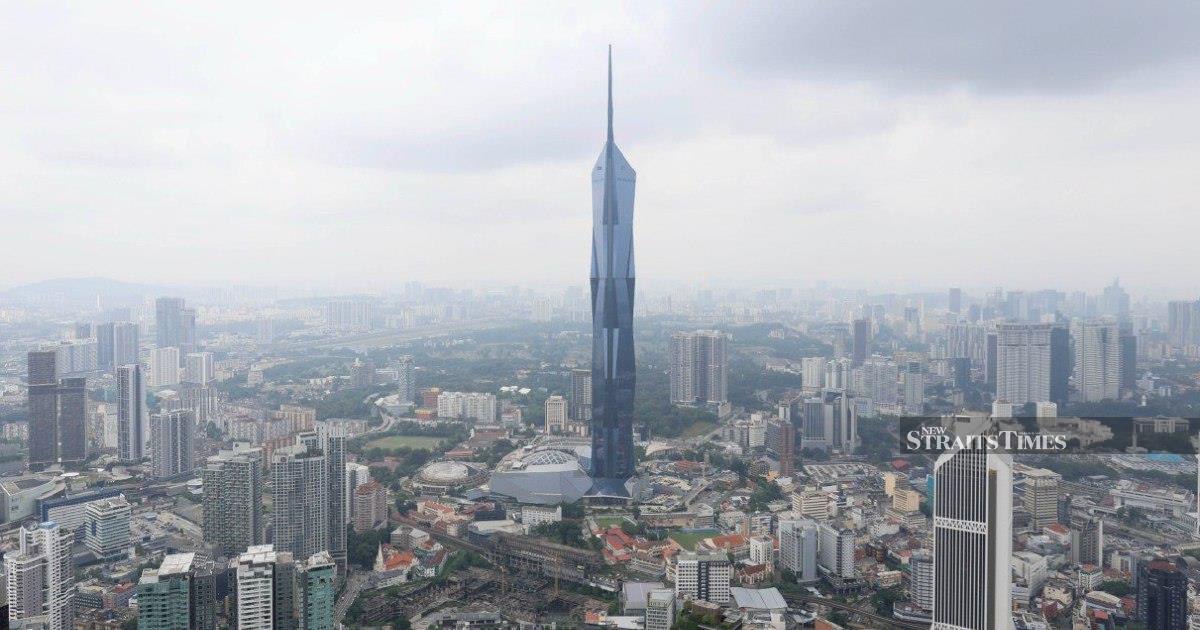
Prime Minister Datuk Seri Anwar Ibrahim has made an appeal to Malaysians to offer prayers for improved air quality as the nation approaches its National Day celebrations scheduled for Aug 31. Speaking in Cyberjaya, the Prime Minister acknowledged the persistent haze challenge facing the country and called upon citizens to seek divine intervention to help disperse the atmospheric pollution before the significant national occasion.
The call for prayer underscores the growing concern within the government about the impact of air quality degradation on public health and the planned festivities marking Malaysia's independence. National Day celebrations typically feature large outdoor gatherings, parades, and public events that attract thousands of participants and spectators across the country. Poor air quality during such occasions poses considerable health risks, particularly for children, the elderly, and those with respiratory conditions.
Haze episodes in Malaysia have become a recurring environmental challenge, often linked to transboundary pollution from neighbouring regions during certain seasons. The atmospheric phenomenon not only affects air quality metrics but also influences visibility, disrupts transportation, and creates economic disruptions across various sectors. Anwar's intervention reflects the administration's recognition that addressing immediate air quality concerns requires multi-faceted approaches beyond traditional regulatory measures.
The timing of the Prime Minister's remarks, arriving before the year's most significant national commemoration, highlights the urgency with which the government views the current situation. Aug 31 holds profound symbolic importance for Malaysians as it marks the nation's independence day, when citizens from diverse backgrounds unite to celebrate national pride and cohesion. Large-scale public events planned throughout the country during this period could be adversely affected by poor visibility and unhealthy air conditions.
Government agencies have been actively monitoring air quality indices across major urban centres and implementing contingency measures to safeguard public health. However, the nature of transboundary pollution means that solutions require regional cooperation and coordination with neighbouring countries. The appeal for prayer, while addressing spiritual sentiment, also indicates that officials recognise the limitations of purely technical interventions when dealing with environmental challenges of this scale.
The haze situation carries particular implications for outdoor sporting events, military parades, and ceremonial functions scheduled to commemorate the national occasion. Event organisers face pressure to implement protective measures while maintaining the grandeur and significance of celebrations. Enhanced air quality monitoring and public advisories have been issued to guide participants and spectators on precautions they should take during outdoor activities.
Businesses and industries dependent on outdoor operations, including tourism sectors that often capitalise on National Day festivities, stand to lose significantly if air quality remains poor. Hotels, restaurants, and entertainment venues typically experience increased demand during this patriotic period, and haze-related disruptions could impact visitor numbers and economic activity. The Prime Minister's plea for improved conditions thus resonates not only on environmental and health grounds but also on economic considerations.
Previous haze episodes have demonstrated how rapidly air quality can fluctuate based on wind patterns, weather systems, and pollution sources across the region. Meteorological forecasts play a crucial role in guiding contingency planning, though predicting exact timing and intensity of haze improvement remains challenging. Officials hope that natural weather patterns, combined with collective prayer and ongoing mitigation efforts, will combine to create acceptable conditions by month's end.
The appeal also reflects how Malaysia navigates environmental challenges through both modern scientific approaches and culturally resonant appeals to faith and community solidarity. This duality allows leaders to communicate urgency to diverse populations while acknowledging the spiritual dimensions many citizens bring to addressing shared challenges. Such messaging can mobilise public cooperation in protective behaviours and environmental consciousness beyond the immediate crisis.
Public institutions, including schools and government departments, have begun preparing contingency plans that may include postponement or relocation of outdoor events should air quality fail to improve substantially. Healthcare facilities are stockpiling respiratory medications and preparing for potential increases in air pollution-related medical consultations. These preparations, undertaken quietly in the background, represent the genuine concern authorities harbour about the haze situation.
Looking forward, the National Day period will serve as a test case for how Malaysia manages large-scale public gatherings amid environmental constraints. Successful execution of celebrations despite challenging air conditions could demonstrate national resilience and unity. Conversely, widespread disruptions would reinforce recognition that transboundary haze represents a persistent threat requiring sustained diplomatic and technical solutions at regional levels.
The Prime Minister's remarks encapsulate the complex reality facing contemporary Malaysia: a nation striving to uphold traditions and celebrate national identity while grappling with environmental challenges that transcend borders and demand multifaceted responses. As Aug 31 approaches, all stakeholders—from government agencies to private sector participants to ordinary citizens—await improvements in atmospheric conditions that could allow the nation's patriotic occasion to proceed without significant air quality impediments.

