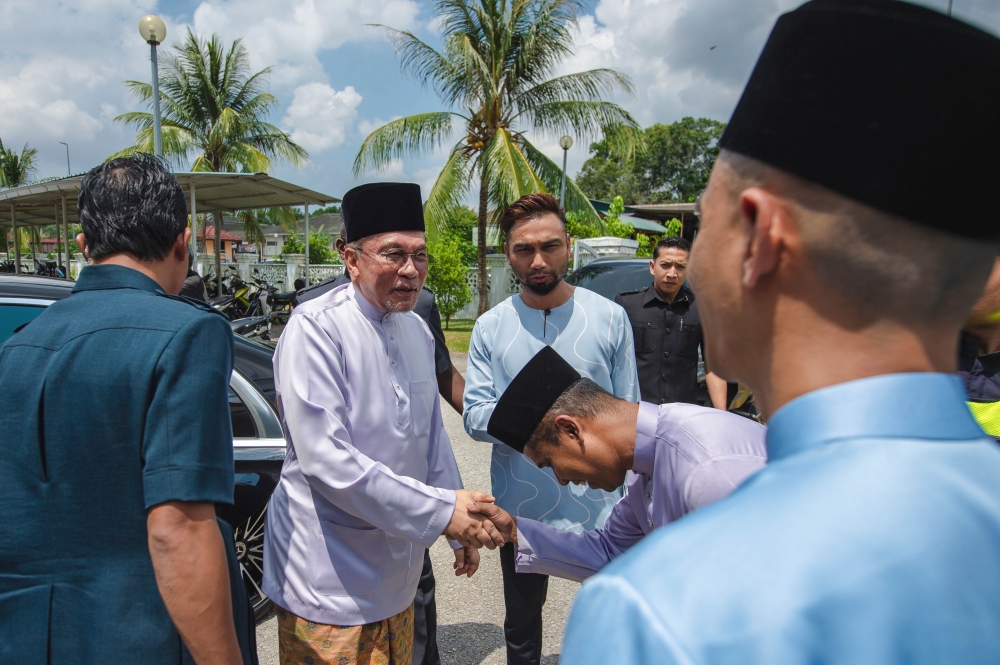
Prime Minister and Finance Minister Datuk Seri Anwar Ibrahim has cautioned that Malaysia's better-than-expected economic performance in the second quarter should not obscure the genuine difficulties confronting large segments of the population and the small and medium enterprise sector. Speaking in Kuala Lumpur on July 17, Anwar struck a careful balance between celebrating the headline growth figures and acknowledging the reality that macroeconomic gains have not filtered down uniformly across society.
The dual narrative reflects a growing tension within Malaysia's economic recovery narrative. While official statistics demonstrate the economy's resilience and capacity to outperform analyst expectations, the lived experience of many Malaysians—particularly those operating small businesses or earning modest incomes—tells a different story. Anwar's comments suggest the government is acutely aware of this disconnect and concerned about the political and social implications of leaving swathes of the population behind as the national economy expands.
The gap between aggregate growth and individual prosperity has become increasingly pronounced as Malaysia navigates the post-pandemic recovery. Rising costs of living, particularly in housing, food, transportation and utilities, have eroded purchasing power for many households despite nominal wage growth. For micro and small enterprises, the transition back to normalcy has been uneven, with some sectors and geographic regions recovering faster than others. This uneven distribution of recovery benefits creates vulnerabilities that policymakers cannot ignore.
Anwar's remarks underscore the government's awareness that headline GDP figures alone provide an incomplete picture of economic health. The Prime Minister appears committed to signalling that his administration recognises the struggles of ordinary citizens and is not simply relying on positive macroeconomic data to justify its economic stewardship. This positioning is strategically important given Malaysia's political dynamics and the government's need to maintain public confidence ahead of potential electoral contests.
Small and medium enterprises occupy a critical position in Malaysia's economic ecosystem. They account for a substantial proportion of employment and contribute significantly to overall economic activity, yet they have proven more vulnerable to economic shocks than larger corporations. Their recovery trajectory has been slower and more fragile, with many MSMEs still grappling with the aftermath of pandemic disruptions, adapting to digital transformation demands, and managing elevated operating costs. The government's explicit acknowledgment of MSME struggles signals that targeted support measures remain a priority.
The Malaysian context is particularly relevant when viewed against regional comparisons. Southeast Asia's broader economic recovery has also revealed stark disparities between headline growth and grassroots economic wellbeing. Countries across the region face similar challenges in ensuring that economic expansion translates into improved living standards for their populations. Malaysia's efforts to address this gap could offer lessons—both positive and cautionary—for policymakers throughout the region.
Beyond rhetorical recognition, the government faces pressure to convert awareness into concrete action. Existing support mechanisms for MSMEs include access to financing, business development services, and targeted subsidies, but many entrepreneurs report gaps in these programmes' reach and effectiveness. Whether current interventions are sufficiently scaled and responsive to emerging challenges remains an open question. The government may need to consider innovative approaches to ensure that growth translates into sustainable improvements for vulnerable economic participants.
The inflation experience has been particularly acute for lower-income households, where food and energy costs consume a larger proportion of household budgets. While headline inflation figures may appear moderate by global standards, their impact on purchasing power for those without significant financial buffers has been substantial. This dynamic has created pressure on the government to explore targeted support for vulnerable groups, balancing inflation control with social welfare concerns.
Looking forward, the sustainability of Malaysia's economic growth depends partly on whether broad-based prosperity can be achieved. If growth remains concentrated among large corporations and higher-income groups while ordinary Malaysians and small enterprises continue to struggle, the social contract between government and citizens may weaken. This reality has motivated Anwar's emphasis on inclusive growth and his government's stated commitment to ensuring that economic expansion benefits those currently facing hardship.
The second-quarter GDP performance exceeding forecasts is genuinely positive, indicating underlying economic momentum and the economy's capacity for recovery beyond expectations. However, Anwar's simultaneous acknowledgment of widespread struggles reflects mature policymaking that resists the temptation to celebrate statistics divorced from human experience. This approach recognises that economic legitimacy ultimately derives not from quarterly growth rates alone but from tangible improvements in the lives and livelihoods of citizens.
The road ahead requires sustained attention to both macroeconomic stability and microeconomic wellbeing. The government's awareness of this imperative, as expressed through Anwar's comments, suggests recognition that Malaysia's economic success depends on ensuring that growth becomes more inclusive and that prosperity reaches beyond boardrooms and financial centres to the small shops, modest homes, and struggling enterprises where many Malaysians build their lives.

