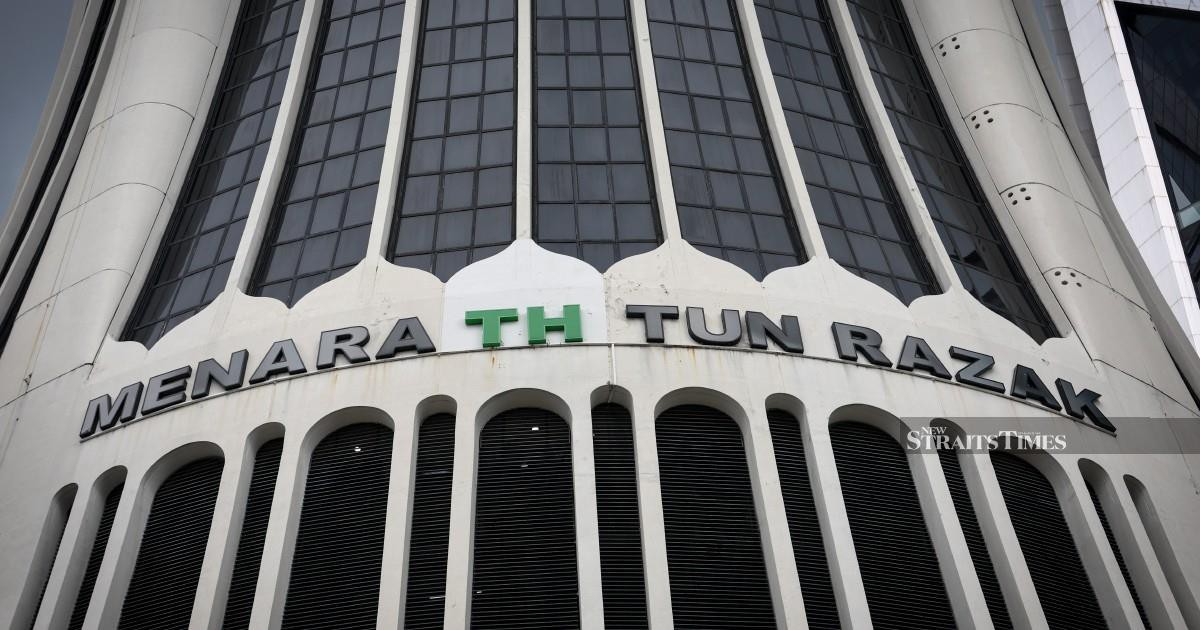
An anti-corruption organisation has demanded urgent reforms at Malaysia's National Audit Department, citing a substantial RM4.8 billion discrepancy that has emerged between separate official assessments of the Lembaga Tabung Haji's financial position. The significant variance between findings presented in the Royal Commission of Inquiry report and those contained in the audit department's own documentation has raised serious questions about the consistency and reliability of financial oversight mechanisms governing one of the country's most important Islamic financial institutions.
The discovery of this accounting gap represents a troubling development for Malaysia's system of public accountability, particularly given the Lembaga Tabung Haji's central role in managing hajj savings for millions of Muslim Malaysians. The fund manages substantial resources accumulated over decades from pilgrims preparing for their religious obligations, making its financial integrity a matter of profound national concern that extends beyond ordinary commercial considerations.
The anti-corruption watchdog's intervention signals growing alarm within civil society over potential weaknesses in how Malaysia's audit institutions verify and report on major financial entities. When two authoritative sources produce findings that diverge by billions of ringgit, the credibility of both investigative processes comes into question, undermining public confidence in government accountability structures that are already regarded with considerable scepticism by many Malaysians.
This RM4.8 billion discrepancy demands explanation not merely as a technical accounting matter but as a fundamental governance issue. Such a substantial gap cannot reasonably be attributed to minor methodological differences or innocent calculation errors. Rather, it suggests either systematic problems in how the National Audit Department conducts its investigations, deficiencies in the quality of financial records maintained by the Lembaga Tabung Haji itself, or possibly both institutional failures occurring simultaneously.
The Lembaga Tabung Haji has faced mounting scrutiny over recent years following various controversies and management changes. The fund's investment decisions, governance structure, and financial management practices have become matters of considerable public interest and political discussion. Against this backdrop, the emergence of conflicting financial assessments compounds existing concerns and reinforces perceptions that oversight of the institution may be inadequate.
For Malaysian investors and savers who depend on the Lembaga Tabung Haji to safeguard their hajj funds, such discrepancies are particularly troubling. The divergence between official reports creates genuine uncertainty about the true financial condition of the institution and whether adequate controls exist to protect accumulated savings. This uncertainty has potential implications for Malaysians' confidence in Islamic financial institutions more broadly, an especially sensitive matter given the sector's strategic importance to the nation's financial ecosystem.
The National Audit Department occupies a critical position within Malaysia's governance architecture, serving as an essential check on executive authority and public spending. When this institution's work produces findings that contradict other authoritative investigations, it raises fundamental questions about departmental capacity, analytical standards, and independence. The watchdog's call for comprehensive review therefore addresses core issues about institutional competency rather than peripheral matters of administrative procedure.
Investigating and explaining the source of this RM4.8 billion gap should be treated as an urgent priority by relevant authorities. Stakeholders require clear understanding of why two separate official inquiries reached such divergent conclusions. Was the discrepancy caused by differences in accounting methodology, variations in what financial items were included in each assessment, or substantive disagreements about actual transactions and holdings?
The broader implications of this controversy extend to Malaysia's standing as a regional financial hub. International investors and rating agencies closely monitor how effectively developing economies manage their regulatory institutions and respond to governance challenges. A significant accounting discrepancy left unexplained or inadequately resolved could reinforce negative perceptions about the robustness of Malaysian financial oversight structures, potentially affecting investor confidence and capital flows.
Beyond the immediate Lembaga Tabung Haji situation, this episode highlights the pressing need for systemic reforms to Malaysia's audit and accountability mechanisms. The National Audit Department requires adequate resources, technical expertise, and institutional independence to conduct thorough investigations that command public confidence. Equally important is establishing clearer standards for how multiple investigative bodies should coordinate and reconcile their findings when addressing the same institution.
The anti-corruption watchdog's call for departmental review deserves serious consideration from policymakers. Rather than treating this as an isolated incident, authorities should view the RM4.8 billion discrepancy as symptomatic of potential broader weaknesses requiring comprehensive institutional reform. Public accountability mechanisms function effectively only when citizens trust that official investigations are conducted rigorously and reported honestly.
Moving forward, transparent communication about how this discrepancy occurred and what corrective measures will be implemented should be prioritised. Malaysians deserve clear explanations about their institution's true financial standing, and confidence in the reliability of official financial reporting should be restored through demonstrable improvements to audit procedures and oversight mechanisms.

