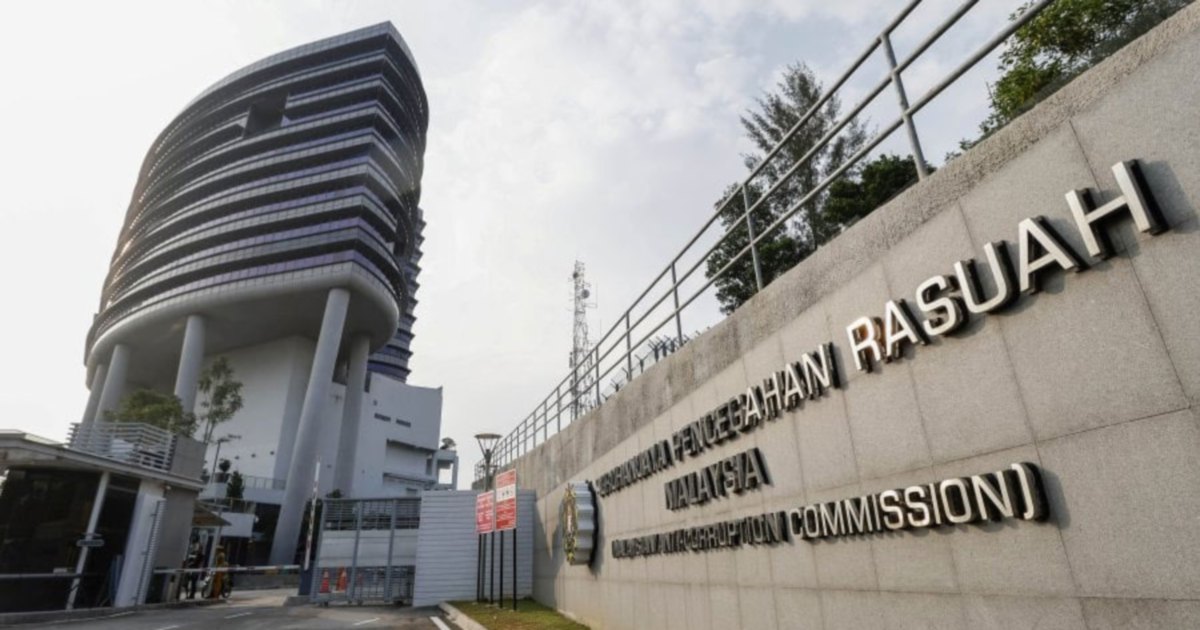
The Malaysian Anti-Corruption Commission has escalated its examination into a significant investment failure at the Retirement Fund Inc (KWAP), with investigators visiting the fund's Kuala Lumpur headquarters this week to gather evidence regarding the reported RM200 million loss sustained through an investment in eFishery, an Indonesian aquaculture technology enterprise.
The move represents a critical juncture in what has become an increasingly high-profile case touching upon governance, fiduciary responsibility, and the management of retirement savings across Malaysia's financial sector. KWAP, which administers pensions for government employees and retirees, serves as custodian of billions in accumulated savings. The alleged loss therefore carries implications extending well beyond the fund itself, affecting public confidence in how retirement contributions are stewarded and invested.
EFishery, an aquaculture technology platform based in Indonesia, attracted KWAP's investment as part of broader strategic positioning within the Southeast Asian agricultural technology sector. The company's business model focused on digitising fish farming through technology solutions and supply chain management. However, the investment appears to have soured significantly, with the reported RM200 million loss suggesting either a sharp depreciation in the investment's value or a total or near-total write-down.
The presence of MACC investigators at KWAP's headquarters signals that authorities suspect potential irregularities beyond ordinary investment losses. Corruption watchdogs typically intervene when there are grounds to suspect abuse of position, conflicts of interest, or procedural failures in how investment decisions were made, approved, and monitored. The agency's involvement transforms this from a straightforward corporate disappointment into a matter of institutional accountability.
For Malaysian pension fund members, the revelation triggers legitimate concerns about investment governance and risk management protocols. KWAP's mandate requires prudent stewardship of contributions accumulated over decades of employment. When funds sustain substantial losses on foreign technology ventures, questions naturally arise about due diligence processes, the qualifications of decision-makers, and whether adequate safeguards existed to protect beneficiaries' interests against volatile or speculative positions.
The eFishery case also illuminates broader challenges confronting Southeast Asian institutional investors navigating exposure to the region's burgeoning startup ecosystem. While emerging technology companies offer growth potential, they present heightened risks. The distinction between prudent strategic positioning and reckless capital allocation often hinges on rigorous independent assessment, oversight mechanisms, and clearly defined investment mandates that align with fiduciary obligations.
Indonesia's aquaculture sector, which eFishery sought to modernise, represents significant economic potential given the archipelago's vast fish farming capacity. However, agritech ventures globally have demonstrated mixed commercial track records, with many struggling to achieve profitability or scale. KWAP's decision to commit such substantial capital to an Indonesian technology startup warrants examination of whether adequate risk evaluation preceded the commitment.
The investigation's scope will likely encompass several dimensions: the assessment criteria used to evaluate the investment opportunity, the decision-making bodies involved in approving the commitment, whether proper governance committees provided oversight, the terms negotiated with eFishery, mechanisms for monitoring investment performance, and the timeline and circumstances surrounding the loss realisation. Any evidence suggesting that proper procedures were circumvented, that conflicts of interest influenced decisions, or that representations made to justify the investment proved materially false would support a corruption investigation.
For Malaysia's broader regulatory environment, the MACC inquiry reinforces that institutional investment decisions increasingly attract scrutiny. Government-linked funds and pension schemes face particular accountability expectations given their custodianship of workers' retirement security. The message that substantial losses may trigger corruption investigations, rather than remaining purely corporate governance matters, represents a meaningful shift in how authorities approach large public fund decisions.
The timing and publicity surrounding this investigation also reflect evolving standards regarding institutional transparency. In previous eras, significant pension fund losses might have been resolved through internal processes or quiet settlements. Today's environment demands more visible, independent examination and accountability to beneficiaries and the public.
As the MACC investigation proceeds, KWAP's broader investment strategy and governance framework will likely face renewed scrutiny from other oversight bodies, fund managers, and member representatives. The case will probably influence how other Malaysian institutional investors approach technology sector commitments, particularly in offshore jurisdictions where regulatory oversight differs markedly from domestic standards.
The investigation's outcomes will matter significantly for KWAP's credibility and for retirees depending on the fund's prudent management. Beyond the immediate institutional implications, this case underscores why pension fund governance requires alignment with corruption prevention principles, ensuring that investment decisions prioritise member interests over other considerations and operate within transparent, independently verified frameworks that Malaysian workers deserve.

