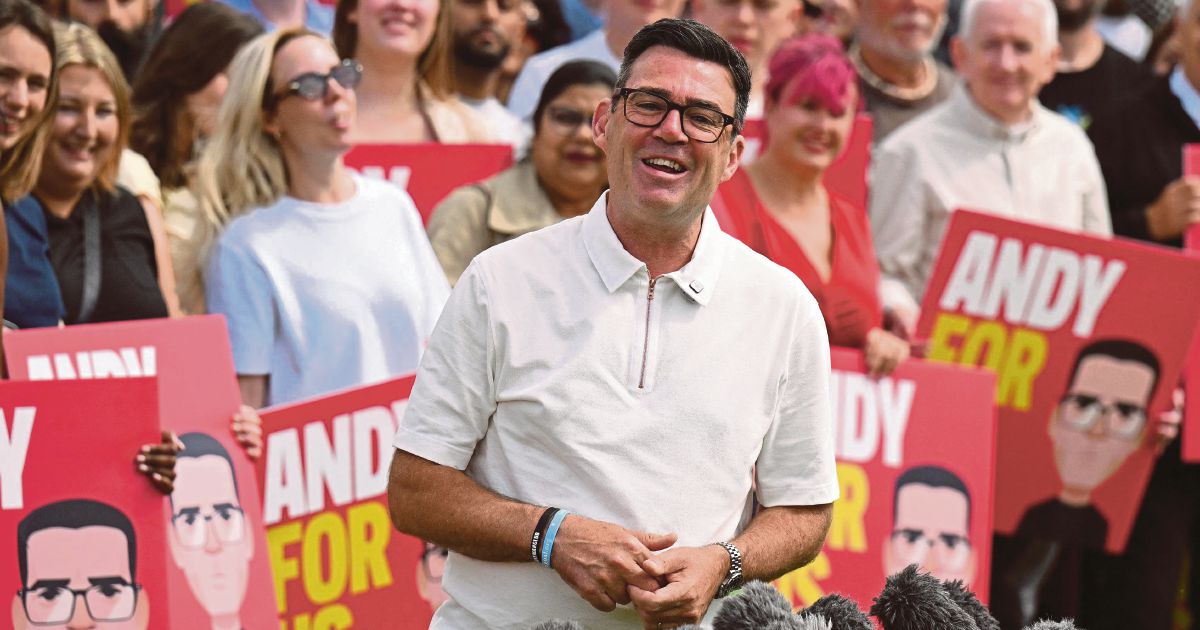
Andy Burnham has assumed office as Britain's seventh prime minister within a decade, inheriting leadership of a nation grappling with persistent economic headwinds and deteriorating public infrastructure. The politician, known colloquially as the 'King of the North' for his deep influence across northern England, arrives at 10 Downing Street with pledges to fundamentally transform how Westminster operates and allocates its attention and resources.
Burnham's ascension represents the latest in a striking succession of prime ministers, each serving relatively brief tenures in recent years. The rapid turnover reflects the profound instability within British politics and the mounting difficulties facing whoever commands the nation's executive branch. His appointment signals a potential shift in political direction, though the fundamental challenges confronting the United Kingdom remain formidable and unlikely to disappear through governmental reshuffling alone.
The incoming premier's core campaign message centres on a concept he terms "rewiring" Britain, a rhetorical device intended to convey comprehensive institutional overhaul rather than incremental tinkering. Burnham argues that the existing political apparatus has become disconnected from ordinary citizens' most pressing anxieties, particularly the acute financial pressures many households face as inflation continues to erode purchasing power and living standards deteriorate. His framing suggests that previous administrations have addressed the wrong problems or approached genuine challenges with insufficient urgency and resources.
Cost-of-living remains perhaps the most visceral concern animating British public discourse. Families across the country have witnessed energy bills spike, food prices climb steadily, and wages struggle to keep pace with inflationary pressures. The squeeze on household finances has persisted for years, creating widespread anxiety about mortgage affordability, utility expenses, and basic necessities. Burnham's emphasis on this portfolio issue demonstrates his understanding that electoral viability depends on demonstrating tangible improvement in economic circumstances that directly touch voters' daily lives.
Simultaneously, Britain's public services sector has come under mounting strain. The National Health Service faces unprecedented backlogs, schools grapple with resource constraints, public transport infrastructure requires substantial investment, and local authorities struggle with inadequate funding. These systemic problems have accumulated across multiple electoral cycles, and no recent government has successfully reversed the trajectory of decline. The deterioration in service quality has become perhaps the second-most significant grievance among the electorate, and Burnham's pledge to address underperforming institutions reflects recognition of this political reality.
Burnham's background as mayor of Greater Manchester and his stewardship of regional devolution negotiations provide him with experience managing large-scale public sector challenges and negotiating with Westminster power structures. His elevation from regional powerbroker to national chief executive constitutes an unusual trajectory compared to predecessors, many of whom ascended through more traditional parliamentary routes. This distinction may afford him different perspectives on centre-periphery relationships within the UK, particularly regarding how resources and decision-making authority are distributed between London and provincial England.
The concept of "rewiring" extends beyond mere policy adjustments; it implies a recalibration of governmental priorities and institutional architecture itself. Burnham appears committed to reorienting Westminster's focus away from what he views as preoccupations detached from mainstream voter concerns. Whether such rewiring can genuinely occur given entrenched bureaucratic structures, competing interests within Cabinet, and the constraints imposed by fiscal reality remains an open question that will define his tenure.
For Malaysia and Southeast Asia, Burnham's premiership introduces uncertainty regarding Britain's regional engagement and trade posture. The UK's post-Brexit trajectory has already reshaped its international relationships, and a new premier may signal shifts in diplomatic priorities or economic partnership frameworks. Malaysian businesses operating in Britain, and those seeking British investment or technology partnerships, face a period of transition as new ministerial teams settle into their roles and establish policy directions.
The rapid succession of British prime ministers over the past decade reflects deeper structural instabilities within Westminster governance that Burnham's arrival will not automatically resolve. His ability to stabilise domestic politics, deliver measurable improvements in service delivery, and ease financial pressures on households will ultimately determine whether his tenure extends beyond the abbreviated timeframes his recent predecessors experienced. The challenges confronting his government are substantial, and rhetorical commitments to transformation must eventually translate into concrete policy outcomes.

