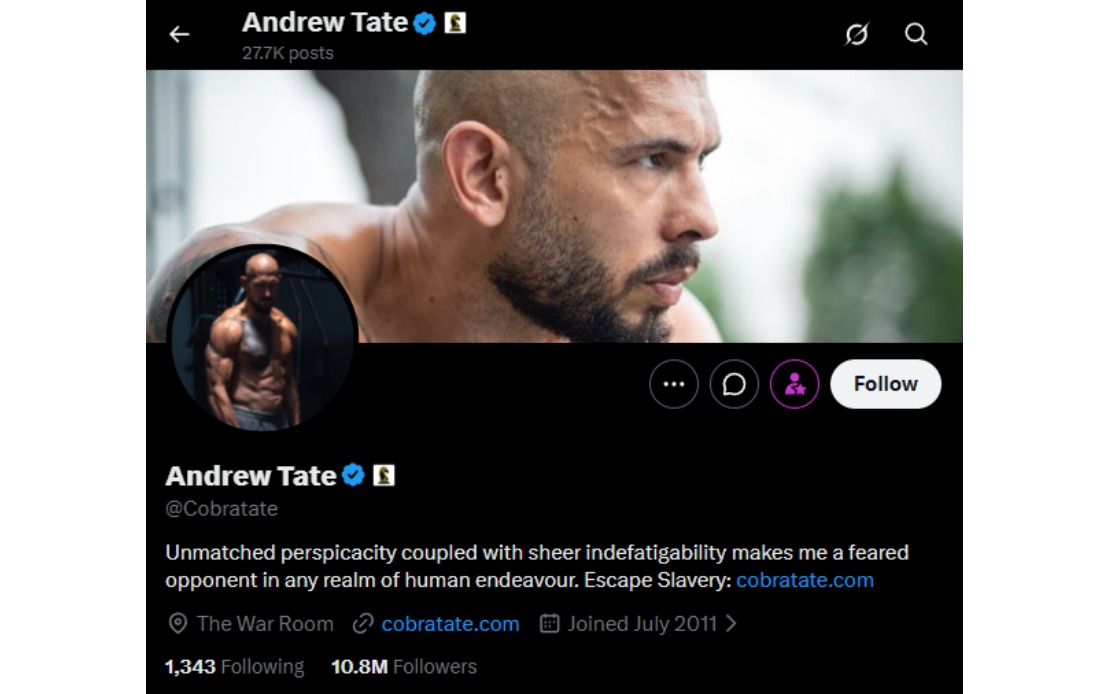
The arrest of Andrew Tate and his brother Tristan in Miami on Saturday represents a significant development in an international legal case that has drawn widespread attention across social media platforms and traditional news outlets. US Marshals Service confirmed the custody of both men following the filing of fresh charges by Britain's Crown Prosecution Service, underscoring the cross-border complexities of modern criminal investigations involving online personalities with global audiences.
Andrew Tate has cultivated a substantial following through his online platforms, where he has promoted controversial views on gender relations and lifestyle. His public persona as a self-styled entrepreneur and influencer has made him a polarizing figure, attracting both devoted followers and fierce critics who have challenged his messaging and conduct. The new allegations against both brothers represent a serious escalation from earlier proceedings and signal the breadth of investigations that authorities across multiple jurisdictions have undertaken.
The involvement of the US Marshals Service indicates that American law enforcement has become directly engaged in executing the arrest warrant and transferring custody. The decision to apprehend the brothers in Miami rather than allowing proceedings to continue under previous arrangements suggests coordination between British and American authorities aimed at securing the defendants ahead of anticipated legal proceedings. Such international cooperation, while procedurally complex, has become increasingly common as law enforcement agencies work to address crimes committed across borders and involving digital platforms.
Britain's Crown Prosecution Service filed the charges independently, a procedural step that typically follows investigation and evidence gathering by police. The move to file fresh charges after earlier legal proceedings indicates that prosecutors may have uncovered additional allegations or evidence that warrants expanded charges. The scope of these new charges—encompassing both rape and sex-trafficking—suggests a serious criminal investigation extending beyond isolated incidents to patterns of alleged misconduct.
For Southeast Asian readers, this case carries particular relevance given the global reach of social media influencers and the increasing prevalence of online personalities who market themselves across the region. Malaysia and other ASEAN nations have seen their own challenges in regulating online content creators and addressing allegations of misconduct by figures with substantial followings. The case illustrates how even personalities with international prominence remain subject to criminal accountability and that legal systems can operate across borders to pursue serious allegations.
The arrest also highlights the vulnerability of online spaces to exploitation and the role that platforms play in amplifying figures whose conduct may later come under legal scrutiny. Many influencers operating across Southeast Asia and globally have built empires on platforms that prioritize engagement and reach without necessarily scrutinizing the character or conduct of high-performing content creators. As regulatory frameworks evolve across the region, questions about platform responsibility and creator accountability have become increasingly urgent.
The legal process ahead will likely involve extradition proceedings, bail hearings, and substantive criminal trials. Given the severity of the charges, courts may maintain restrictions on the defendants' movement and activities. The brothers' legal teams will need to mount defenses across multiple jurisdictions, a resource-intensive and strategically complex undertaking that underscores how serious allegations can consume years and substantial financial resources in the criminal justice system.
This case also intersects with broader conversations about masculinity, power dynamics, and exploitation in online spaces. Tate's previous online content has focused on themes related to male dominance and female submission, messaging that has attracted considerable controversy and criticism from advocates concerned about normalization of harmful attitudes. The charges against him suggest that authorities believe his conduct extended beyond controversial speech into criminal activity involving coercion and trafficking.
The timing of the arrest in July and the involvement of multiple law enforcement agencies indicates a coordinated international operation. Such operations require significant planning and cooperation between agencies with different legal frameworks and investigative traditions. The fact that both brothers were apprehended simultaneously rather than sequentially suggests that authorities prioritized swift action to prevent any potential interference or complication.
For followers and critics of Tate, the arrest may reshape how his previous content and business ventures are understood. Online communities that previously engaged with his messaging will face reckoning with allegations of serious criminal conduct by someone they may have admired or taken seriously as an advisor on business or lifestyle matters. This dynamic has played out repeatedly as high-profile figures face legal accountability for conduct inconsistent with their public personas.
The broader implications for social media regulation and influencer accountability across Southeast Asia merit consideration. Malaysia's own regulatory bodies and law enforcement agencies continue developing approaches to online content creator accountability. The Tate case demonstrates that even figures operating internationally with substantial resources ultimately remain vulnerable to criminal investigation and prosecution when allegations become serious enough to warrant formal charges.

