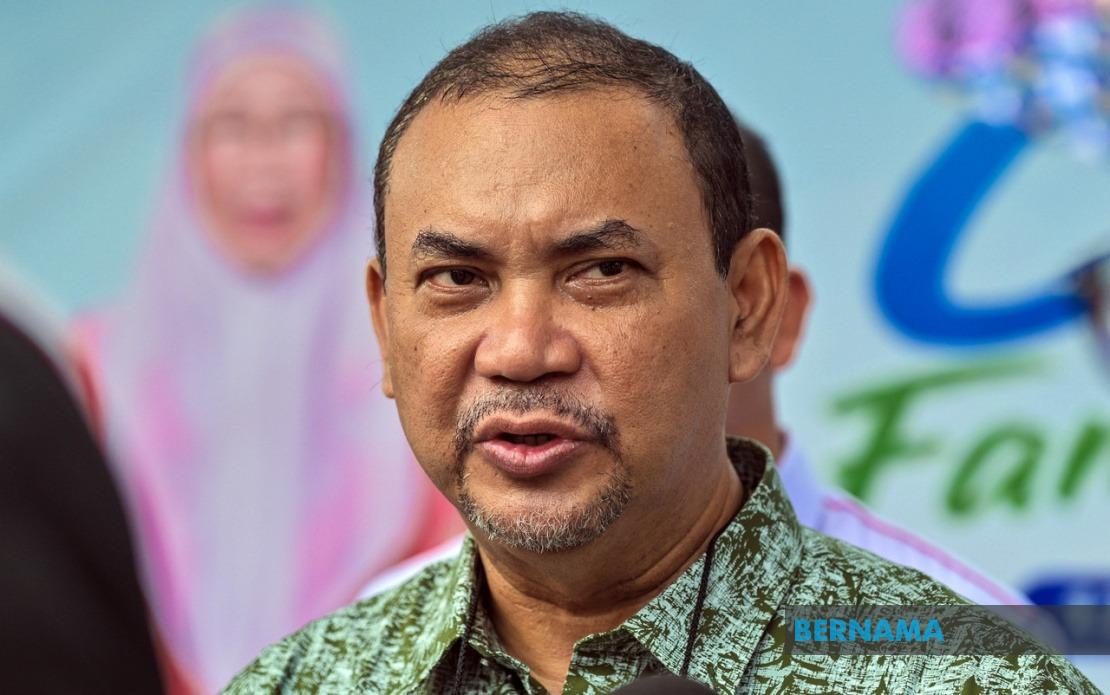
Datuk Azman Abidin, who serves as Prime Minister's Political Secretary, has taken on a fresh mandate following his appointment as Ampang Parliamentary Constituency Coordinator by Prime Minister Datuk Seri Anwar Ibrahim. In his inaugural statement, Abidin has signalled his determination to transform how social welfare support reaches constituents in the Selangor parliamentary seat, moving towards a more systematic and transparent approach that leverages existing government infrastructure.
The coordinator's strategy hinges on creating a centralised mechanism for processing welfare requests originating from Ampang residents. By directing applications through the Office of the Prime Minister's Political Secretary, the initiative seeks to eliminate bureaucratic bottlenecks and ensure that assistance programmes flow more directly to those in need. This approach reflects a broader governmental shift towards accountability in the distribution of social support, addressing persistent concerns about inefficient delivery channels at the constituency level.
Integration with the Implementation Coordination Unit (ICU) under the Prime Minister's Department represents the backbone of Abidin's operational framework. The ICU, established to monitor and coordinate government policies and initiatives, will serve as a conduit ensuring that welfare schemes designed at the federal level are properly cascaded to beneficiaries in Ampang. This coordination mechanism aims to prevent duplication of efforts and create a seamless link between policy designers and implementation teams on the ground.
Abidin's commitment extends beyond top-down service delivery. He has explicitly acknowledged the role of state assemblymen representing divisions within the Ampang constituency, recognising that these elected representatives possess ground-level knowledge essential for identifying genuine cases requiring assistance. By formalising collaboration with local leaders and community figures, the coordinator seeks to build a three-tier support system where federal resources, state-level advocacy, and grassroots intelligence combine to create a more responsive welfare apparatus.
The emphasis on professionalism, integrity and accountability reflects contemporary expectations of public service delivery in Malaysia. Rather than positioning welfare assistance as a discretionary favour, Abidin frames it as a structured entitlement administered through transparent channels. This reframing is significant for constituents who have historically navigated competing claims about eligibility and availability of support, often relying on personal connections or political connections rather than standardised criteria.
For Malaysian residents in Ampang, the practical implication is the availability of a dedicated contact point for welfare inquiries. Previously, constituents uncertain about accessing government assistance might have faced fragmented or unclear pathways. The establishment of a primary submission channel through the Prime Minister's Political Secretary's office creates a single point of entry, potentially reducing confusion and time spent navigating multiple agencies. This consolidation of responsibility offers clarity about where to direct applications and who bears accountability for outcomes.
The timing of this appointment reflects broader governance priorities under the current administration. As Malaysia continues to navigate post-pandemic economic pressures and inflation concerns affecting household budgets, optimising welfare delivery has become increasingly central to political strategy. Ampang, a densely populated constituency with significant urban and semi-urban communities, represents both a microcosm of national social challenges and a testing ground for administrative innovations in welfare coordination.
The coordinator's invocation of professionalism and accountability also addresses persistent public scepticism about political patronage in welfare distribution. By establishing documented procedures and coordination mechanisms involving multiple stakeholders, Abidin attempts to depoliticise the assistance process. This shift towards institutional rather than personality-driven service delivery could establish precedents applicable across other constituencies, particularly if results demonstrate improved efficiency and broader coverage.
Coordination with relevant government agencies remains crucial but underspecified in the initial announcement. Agencies such as the Ministry of Women, Family and Community Development, the Social Welfare Department, and the Ministry of Health typically administer various welfare programmes targeting different demographic groups. Effective integration across these entities will determine whether Abidin's structural reforms translate into tangible improvements for residents or remain largely administrative reorganisation.
The involvement of community leaders in the welfare delivery framework recognises the critical role civil society plays in identifying vulnerable populations and advocating for marginalised groups. Religious leaders, non-governmental organisations, and grassroots associations often maintain closer contact with residents facing hardship than formal government channels. By institutionalising these relationships, the coordinator's approach potentially broadens the reach of welfare programmes beyond those with awareness of or confidence in government systems.
Moving forward, the success of this initiative will be measured through metrics such as application processing timeframes, beneficiary satisfaction rates, and coverage of previously overlooked populations. Whether Ampang's experience becomes a model for constituency-level welfare coordination across Malaysia depends partly on Abidin's ability to document results and communicate outcomes effectively. The political salience of welfare delivery means that demonstrable improvements could enhance government credibility, while perceived failures would likely invite criticism.

