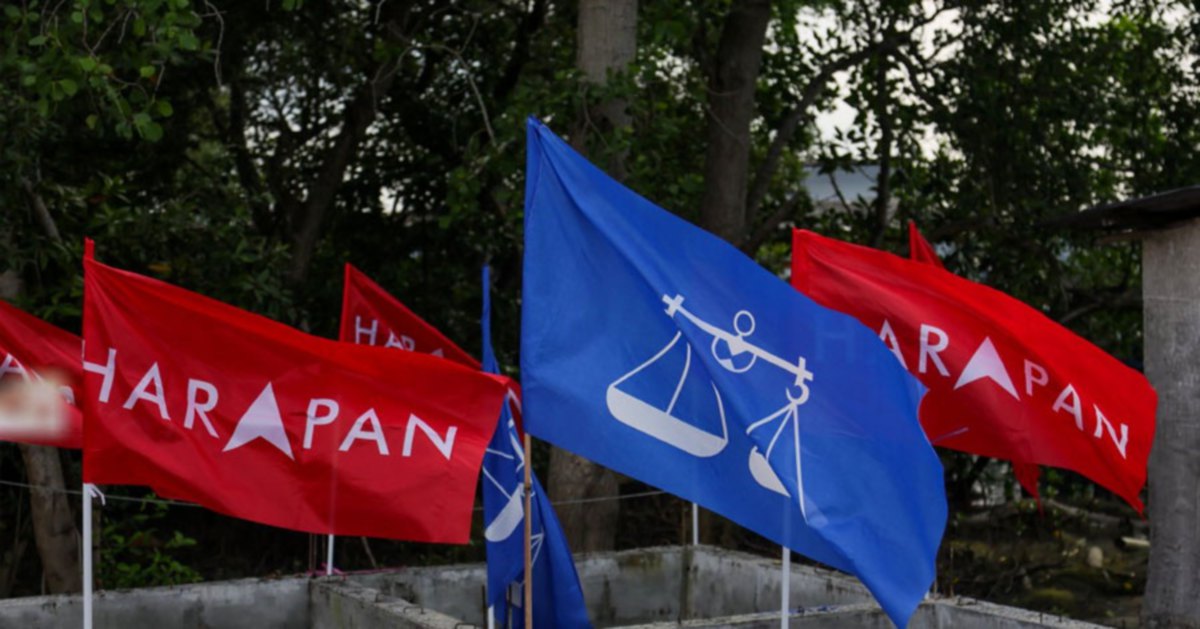
Pakatan Harapan's communications chief Datuk Seri Fahmi Fadzil has confirmed that the ruling coalition's election director Datuk Seri Amirudin Shari held discussions with coalition chairman Datuk Seri Anwar Ibrahim on the previous day, with the meeting centred on coordinating efforts as seat allocation talks between Pakatan Harapan and Barisan Nasional continue.
The confirmation comes as both major political blocs navigate the delicate process of determining parliamentary and state assembly candidacies ahead of anticipated general elections. Fahmi's statement underscores the significance of high-level coordination within Pakatan Harapan, particularly given Amirudin's pivotal role overseeing electoral strategy and candidate selection across the coalition's constituent parties.
Amirudin Shari, who leads Pakatan Harapan's election machinery, would naturally brief the coalition's chairman on developments in ongoing negotiations. Such meetings are routine components of coalition management, especially when critical decisions affecting multiple parties require alignment at the highest levels. The timing of this particular encounter suggests active progress in discussions with Barisan Nasional partners.
Packatan Harapan comprises several major parties including PKR, DAP, and Amanah, each with regional strongholds and constituencies to defend. When negotiating seat distributions with Barisan Nasional—itself an alliance of multiple parties including UMNO, MCA, and MIC—coordination becomes essential. Without clear direction from coalition leadership, individual parties might pursue conflicting strategies that undermine collective interests.
The ongoing seat negotiations carry substantial implications for Malaysian politics. Partnerships between Pakatan Harapan and Barisan Nasional at the federal and state levels have reshaped the political landscape since 2018. These discussions determine not merely which candidates contest which seats, but also signal broader political alignments and the stability of current governing arrangements.
For voters and political observers, such negotiations reveal how Malaysia's multiparty, multi-ethnic political system functions in practice. Coalition governments require constant management and compromise among parties with sometimes competing interests and ideological orientations. The transparency with which leadership publicly acknowledges these discussions also demonstrates institutional accountability.
The confirmation from Fahmi Fadzil, who holds responsibility for coalition communications, suggests Pakatan Harapan leadership wants public acknowledgment of internal coordination efforts. Rather than allowing speculation or rumour about backroom dealings, the coalition's communications apparatus is providing factual clarity about meetings between senior figures. This approach reflects efforts to maintain public trust during negotiation periods.
Seat allocation discussions in Malaysian politics carry particular complexity given the country's federal structure and the interplay between federal, state, and local electoral dynamics. Constituencies vary significantly in competitiveness, with some considered virtually secure for particular parties while others remain hotly contested. Strategic placement of candidates across these varying terrains requires expertise and detailed analysis.
The role of election directors like Amirudin Shari has become increasingly important in modern Malaysian politics. These figures combine knowledge of electoral mathematics, party dynamics, historical voting patterns, and candidate viability assessments. Their recommendations directly influence coalition strategies and can substantially affect electoral outcomes. When such officials brief coalition chairmen, they bring data-driven insights to shape political decision-making.
Regional variations in Pakatan Harapan-Barisan Nasional cooperation add another layer of complexity. Different states and federal territories may have distinct arrangements reflecting local political realities. Selangor, Penang, Johor, and Sabah each present unique dynamics requiring customized approaches. Coordination at the national level must account for these regional variations while maintaining overall coalition coherence.
The confirmation of this meeting also occurs within broader context of Malaysian political transition. Since the 2018 general election, Malaysian politics has experienced significant flux, with changing alliances and shifting power dynamics. Current arrangements between Pakatan Harapan and Barisan Nasional represent recent developments in this ongoing evolution. How these seat negotiations conclude will influence political stability and public confidence in governance.
Moving forward, observers will watch how these negotiations between coalition partners progress and what final seat arrangements emerge. The willingness of Pakatan Harapan leadership to publicly acknowledge internal coordination suggests confidence in negotiation processes and confidence in eventual agreements with Barisan Nasional partners. For Malaysian voters, these administrative matters at the party level ultimately determine the choices they will face in electoral contests.

