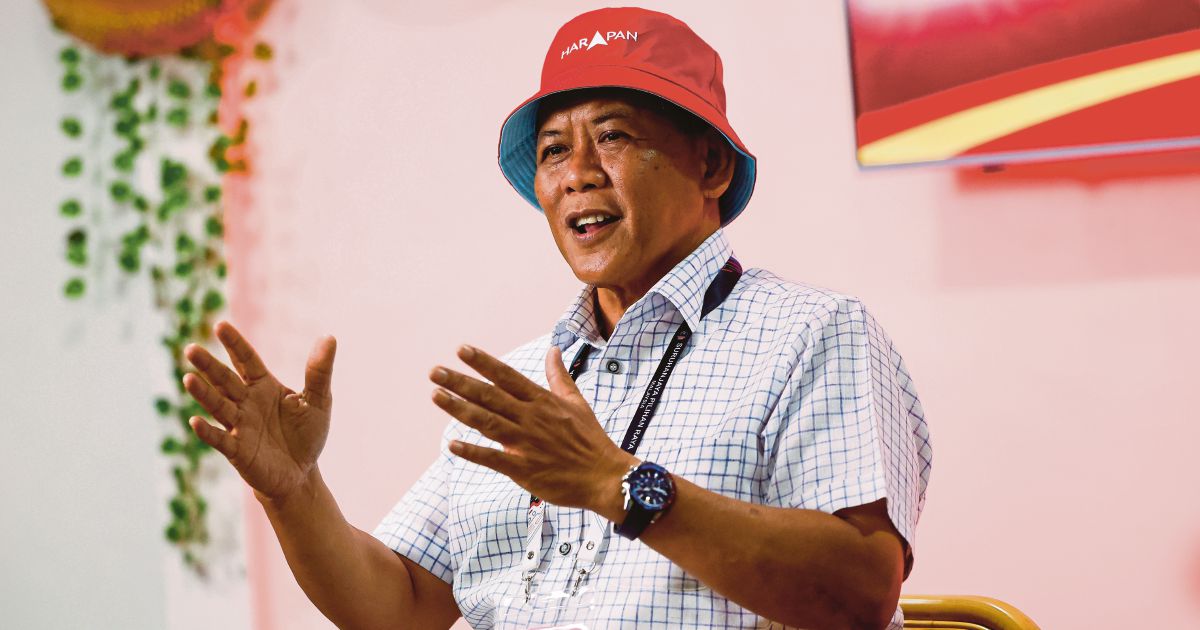
Caretaker Negri Sembilan Menteri Besar Datuk Seri Aminuddin Harun is pinning his electoral hopes on the state administration's demonstrated performance, believing that voters in the Linggi constituency will reward his government with their support in tomorrow's 16th Negri Sembilan state election. The confidence reflects a strategy centred on reminding constituents of concrete achievements rather than relying solely on party machinery or opposition criticism.
The approach mirrors a broader pattern in Malaysian state politics where incumbents attempt to leverage developmental work and administrative competence as their primary campaign weapon. Aminuddin's emphasis on track record suggests the caretaker administration has undertaken visible infrastructure projects, social programmes, or economic initiatives in the Linggi area that campaign strategists believe resonate with local voters. This focus on tangible deliverables over rhetoric underscores the competitive nature of the election and the need to demonstrate substantive governance rather than merely aspirational promises.
Linggi, one of Negri Sembilan's key constituencies, carries significance in determining the overall state government composition. The constituency's demographic profile and economic characteristics would have shaped the government's approach to development priorities, and Aminuddin's confidence suggests alignment between voter priorities and implemented policies. Whether addressing infrastructure deficits, enhancing public services, or supporting local economic activities, the government appears to have identified areas where its performance differentiates itself from opposition alternatives.
The timing of the election, with voting scheduled for tomorrow, means campaigns are in their final phase where messaging becomes increasingly focused and targeted. Aminuddin's public statements at this juncture serve to consolidate support among wavering voters and energise party machinery in the critical final hours. By highlighting governmental accomplishments rather than attacking opponents, the strategy attempts to position the incumbent as results-oriented and forward-looking, qualities that resonates with voters concerned about practical governance.
For Malaysian voters, particularly those in smaller states like Negri Sembilan, state elections offer an opportunity to evaluate local governance more directly than federal elections might allow. Issues like maintenance of roads, management of local services, environmental concerns, and community development programmes become tangible measures of performance. Aminuddin's electoral pitch implicitly acknowledges that voters measure governments not by grand ideological claims but by what they observe in their daily lives.
The broader context of Negri Sembilan politics involves various factions and competing interests typical of Malaysian state politics. The caretaker period itself, following dissolution of the previous state assembly, represents a transitional moment where the sitting administration must justify continuance while opposition parties articulate alternative visions. Aminuddin's approach of centering on existing performance rather than future promises may reflect confidence in measured governance, though it could also indicate limited room for bold new policy announcements during the caretaker phase.
Voters in Linggi will ultimately decide whether they believe the government's existing record warrants continued support or whether they prefer to test alternative leadership. The constituency's decision contributes to the broader state outcome, determining whether the current administration retains its majority or whether power shifts. This localized focus—where individual constituencies become decisive—characterises Malaysia's electoral system and grants considerable weight to how effectively each campaign communicates its central message.
The statement reveals something about Aminuddin's political confidence and self-assessment of the administration's performance. Rather than hedging or offering defensive explanations for shortcomings, the caretaker Menteri Besar presents an affirmative case for endorsement. This tone suggests internal polling or grassroots feedback has convinced campaign planners that the incumbent position remains strong, though state elections often produce surprises as voters weigh multiple factors simultaneously.
For Southeast Asian political observers, Negri Sembilan's election offers insights into how Malaysian state administrations campaign and what messages resonate in competitive electoral environments. The emphasis on track record reflects global trends where voters increasingly demand evidence of competent governance and measurable outcomes. As Malaysian politics continues evolving with changing voter preferences and demographic shifts, how effectively candidates like Aminuddin can translate administrative performance into electoral victory becomes a crucial indicator of political dynamics in the region's largest democracy.
The coming result in Linggi and across Negri Sembilan will test whether the caretaker administration's confidence in its track record reflects genuine voter sentiment or overestimation of public satisfaction. The outcome will likely influence how future Malaysian state campaigns are structured and whether similar track-record-focused strategies succeed in comparable electoral contexts. For now, Aminuddin's strategy represents a calculated bet that voters value demonstrated governance over other campaign considerations.

