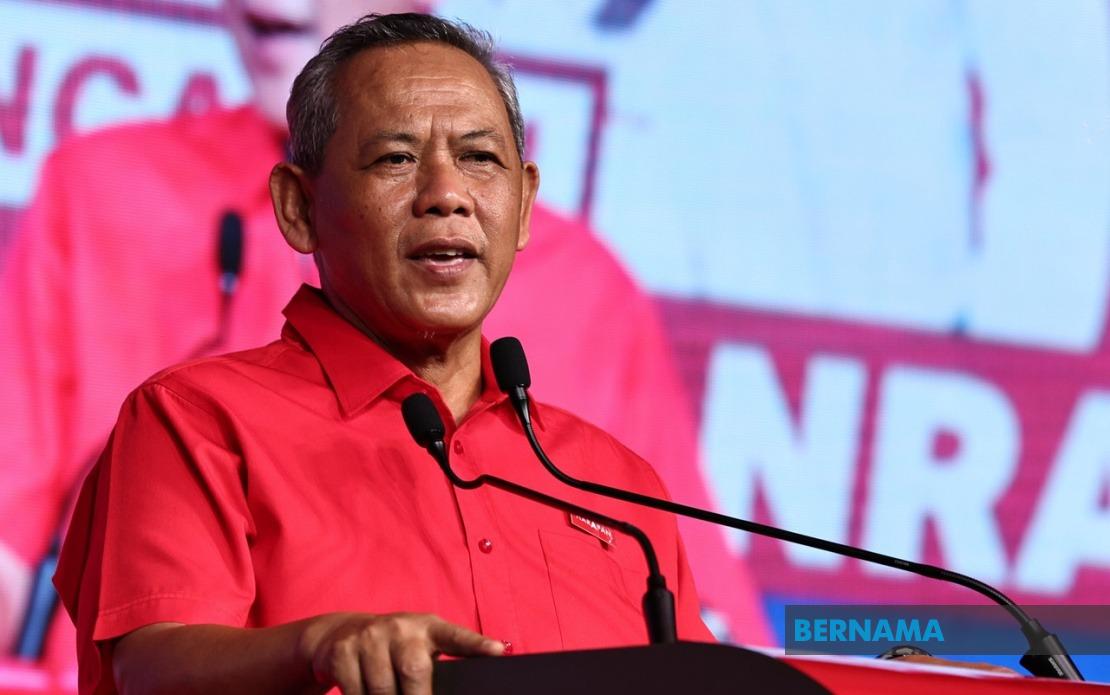
Negeri Sembilan Menteri Besar Datuk Seri Aminuddin Harun has made a direct appeal to voters in the Linggi constituency to evaluate the state government's substantive response to a long-running flood crisis, rather than permitting the issue to be exploited as a political tool ahead of the 16th Negeri Sembilan state election. Speaking after Friday prayers in Seremban on July 17, Aminuddin, who is contesting the Linggi seat as the Pakatan Harapan candidate, emphasised that the persistent flooding problem has already been properly addressed through a coordinated approach involving both state and federal authorities.
The issue has gained fresh prominence on social media in recent weeks, with viral posts claiming that Linggi experiences frequent inundation whenever the Seremban area receives extended periods of heavy rainfall. Rather than dismiss these concerns, Aminuddin acknowledged the legitimacy of the problem but positioned the government's response as evidence of serious intent. He stressed that two dedicated flood mitigation projects have secured approval and are currently undergoing implementation across the constituency, representing a tangible commitment to resolving infrastructure deficiencies that have plagued the area for years.
Aminuddin's remarks reflect a broader strategic messaging approach by the ruling coalition as campaigning intensifies ahead of polling day on August 1. By framing the flooding crisis as a technical problem requiring patience and sustained investment rather than a quick political fix, the Menteri Besar implicitly critiqued opposition parties for what he suggested might be opportunistic positioning on the issue. His emphasis on infrastructure timelines underscores a key distinction in election discourse: the difference between acknowledging a problem exists and demonstrating measurable progress toward resolution.
The two flood mitigation projects represent a significant commitment of resources and intergovernmental coordination. Such collaborative efforts between state and federal governments are increasingly common in addressing transboundary environmental challenges, though they often remain invisible to voters until completion. Aminuddin's decision to highlight these initiatives reflects an effort to make tangible the usually bureaucratic process of infrastructure planning and construction, translating technical approvals and implementation schedules into evidence of governmental responsiveness.
The Negeri Sembilan Pakatan Harapan chairman's appeal to voters carries particular weight given the electoral context. The coalition's campaign strategy appears centred on a performance-based argument: that voters should evaluate the PH administration's track record in delivering services and managing development projects, rather than being swayed by opposition rhetoric or inflammatory social media claims. This approach assumes a level of voter sophistication and patience with long-term infrastructure solutions, a premise that may be tested in constituencies where flooding remains a lived experience.
The flooding issue in Linggi exemplifies how environmental and infrastructure challenges become electoral battlegrounds in Malaysian politics. When viral social media posts amplify local grievances, politicians face pressure to respond quickly and visibly. Aminuddin's measured response acknowledges the reality of voter frustration while attempting to reset expectations around the timeline required for meaningful environmental remediation. This balance between empathy and expectation management will likely prove crucial in determining voter response.
Contextually, Negeri Sembilan has long struggled with drainage and flood management issues, particularly in areas surrounding Seremban where topography and urban development patterns create vulnerability to water accumulation. The Linggi constituency encompasses areas that have experienced significant flooding incidents, making the issue not merely symbolic but directly connected to residents' safety and property concerns. A government that can demonstrate concrete progress on such matters gains credibility on other service delivery issues.
The timing of Aminuddin's comments is strategically significant. With nomination day falling on July 18 and polling scheduled for August 1, the campaign period is compressed. Early voting takes place on July 28, meaning the Menteri Besar's messaging must resonate quickly and effectively. By focusing on completed planning stages and active implementation, he attempts to provide voters with tangible evidence of governmental action within this narrow window.
The broader electoral dynamics in Negeri Sembilan reflect a nationwide pattern where local infrastructure grievances have become increasingly prominent in state-level campaigns. Constituencies across Malaysia have seen flooding become electoral issues, from Selangor to Johor, suggesting that climate variability and drainage inadequacy present ongoing political vulnerabilities for incumbents. For Pakatan Harapan in Negeri Sembilan, demonstrating project delivery becomes essential to validating its governance credentials.
Aminuddin's call for voters to assess governmental performance rather than respond to political positioning reflects a confidence in the electorate's ability to distinguish between substantive progress and mere rhetoric. Whether this optimism proves justified will be evident in the Linggi constituency result on August 1. The outcome may signal how Malaysian voters weigh immediate political messaging against longer-term infrastructure development timelines—a question with implications extending far beyond Negeri Sembilan.

