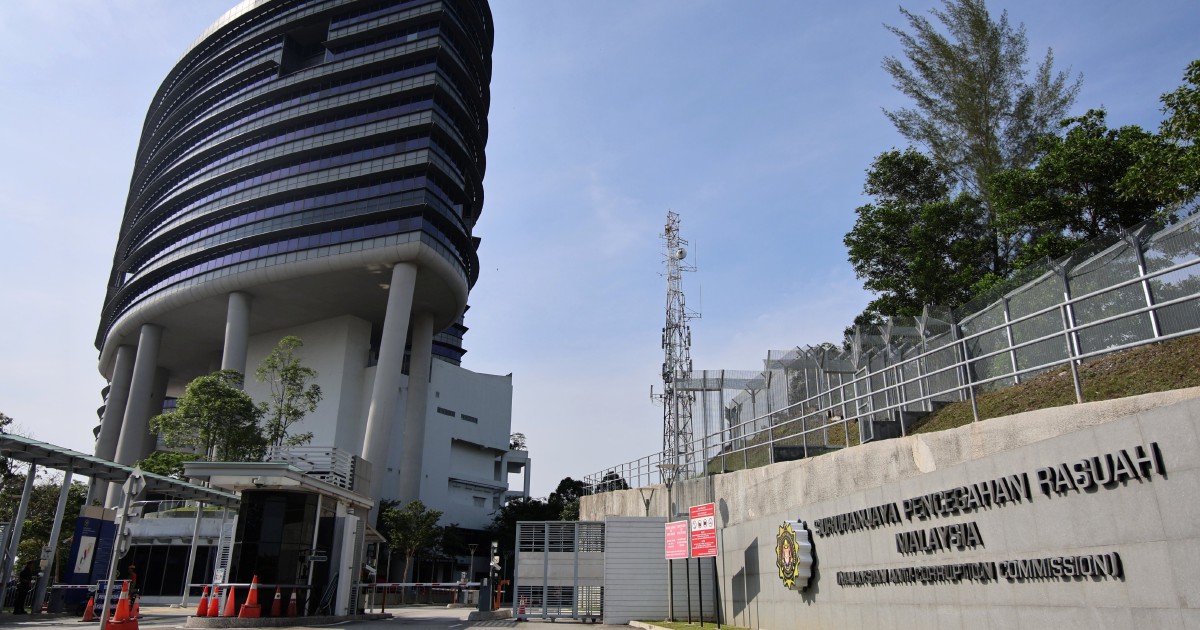
Datuk Azmi Ahmad, the group managing director and chief executive officer of Alam Maritim Resources Bhd, has walked free after the Malaysian Anti-Corruption Commission (MACC) concluded its remand period in Kuala Lumpur today. The release marks a significant development in an investigation that had drawn scrutiny to the offshore support vessel operator, one of Southeast Asia's prominent maritime services companies.
The detention of such a prominent executive represents the kind of high-profile intervention by Malaysia's corruption watchdog that typically captures the attention of investors and industry stakeholders. Alam Maritim, which operates one of the region's largest fleets of offshore support vessels, plays a crucial role in servicing the oil and gas sector across Southeast Asia. The company's involvement in MACC investigations raises broader questions about compliance and governance standards within Malaysia's maritime and energy sectors.
While the specifics of the investigation remain undisclosed at this stage, MACC remand operations typically centre on allegations involving impropriety, misuse of funds, or breaches of fiduciary duty. The decision to release Azmi Ahmad suggests either that the investigation has reached a natural checkpoint or that the commission determined there was insufficient grounds to extend custody further. Malaysian corporate law allows for remand extension in corruption cases where evidence gathering remains ongoing, making the release a tactical decision by investigators.
For Alam Maritim's stakeholders—including shareholders, creditors, and business partners—the outcome carries immediate implications. Listed companies in Malaysia face heightened disclosure obligations when senior executives face legal action, particularly regarding allegations that could affect the company's operational integrity or financial standing. The release provides some breathing room for corporate communications, though uncertainty surrounding the investigation's direction will likely persist until formal charges or official statements materialise.
The maritime sector in Malaysia and across the region operates within increasingly stringent regulatory frameworks, particularly following international pressure on anti-corruption enforcement. Companies operating in the offshore oil and gas space face rigorous scrutiny from both domestic authorities and international bodies keen to stamp out misconduct. Investigations of this nature, even when they conclude without charges, send powerful signals about the standard of corporate governance expected within the industry.
MAAC's work in recent years has expanded considerably in scope and sophistication, reflecting broader concerns about governance deficits in Malaysian business and public administration. The commission's investigative reach now extends across diverse sectors, from construction and procurement to maritime services and resource management. The involvement of a major maritime operator underscores that no segment of the economy sits beyond the watchdog's purview, regardless of company size or market prominence.
For Alam Maritim itself, the path forward now hinges on several factors. The company must navigate reputational management in a highly sensitive period, maintain stakeholder confidence despite uncertainty, and ensure operational continuity while senior leadership attention may be diverted by legal developments. Malaysian listed companies have increasingly invested in robust corporate governance frameworks specifically to weatherproof themselves against such investigations, and Alam Maritim's response during this period will be closely observed by investors and industry peers.
The broader context within Southeast Asian maritime industries cannot be ignored. The offshore support vessel sector has experienced considerable consolidation and financial stress in recent years, particularly following the 2014-2016 oil price collapse. Companies across the region have faced mounting pressure to maintain profitability, which sometimes creates conditions where governance breaches occur. Regulatory scrutiny in Malaysia, therefore, reflects not just domestic concerns but also international expectations regarding how regional players conduct business.
Investors monitoring Alam Maritim will likely await further official pronouncements from either the company or the MACC regarding the investigation's status. Stock market disclosure requirements mandate that companies keep investors informed of material developments, and the release of a detained executive arguably qualifies as such an event. Whether charges will be preferred or whether the investigation will proceed in a different direction remains an open question that will eventually shape the company's future trajectory.
The maritime services sector's health is vital to Malaysia's broader economic interests, given its connections to oil and gas production, international trade, and regional supply chains. Ensuring robust governance standards within this sector ultimately serves the long-term interests of all stakeholders, from government regulators to private investors and employees dependent on the industry's stability. The investigation and Azmi Ahmad's release thus constitute more than a matter of corporate interest—they reflect the ongoing process through which Malaysian business institutions are held accountable to evolving standards of propriety and transparency.

