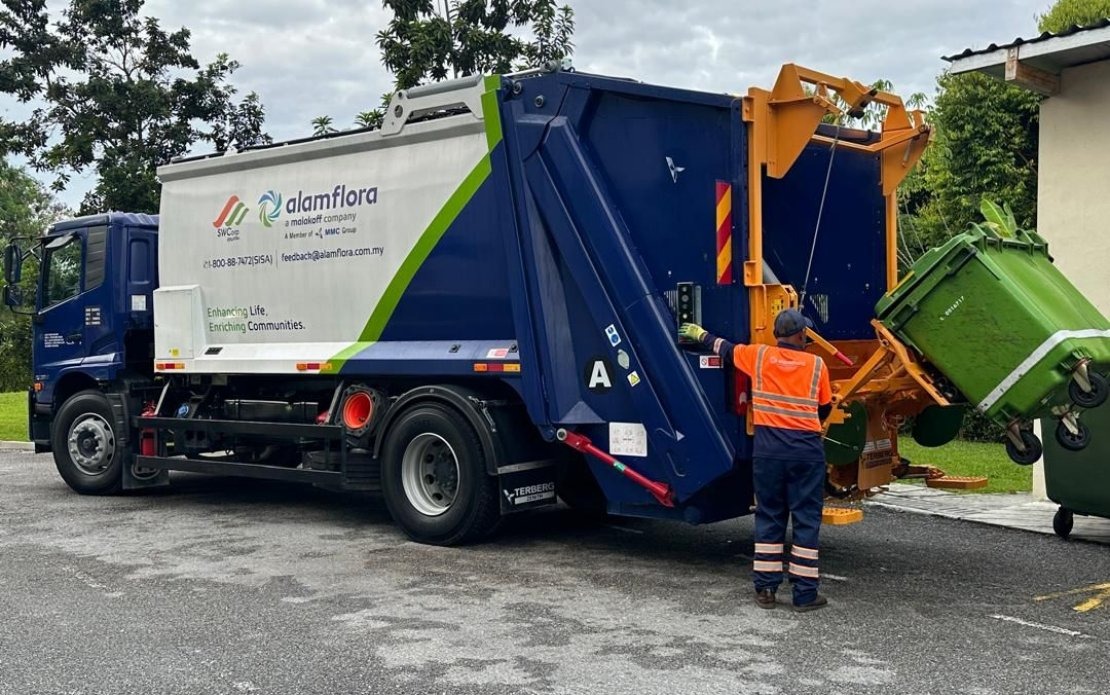
Alam Flora, Malaysia's leading waste management operator, has committed itself to furnishing complete assistance to authorities investigating an accident involving one of its refuse collection vehicles that occurred along Jalan Pantai Murni 1 in Pantai Hillpark on Monday morning. The company released a formal statement pledging transparency throughout the investigative process and emphasizing its commitment to safety protocols across its service delivery network.
According to accounts from the scene, the compactor garbage lorry is suspected to have experienced brake failure before veering out of control and colliding with the protective perimeter wall surrounding a residential condominium complex. The incident raised immediate concerns about vehicle maintenance standards and safety procedures within the waste collection sector, which operates extensively across Malaysia's urban centres and relies heavily on large mechanical equipment navigating congested residential and commercial zones daily.
The driver of the affected vehicle promptly filed a formal report with the Kuala Lumpur Traffic Police Station following the collision. To rule out possible impairment as a contributing factor, Kuala Lumpur police conducted a breathalyser examination, which confirmed the operator had not consumed alcohol prior to the incident. This finding helped narrow the investigative focus toward mechanical or maintenance-related causes rather than driver negligence or unsafe conduct.
In response to the investigation requirements, Alam Flora announced that the damaged compactor lorry will be submitted to the Computerised Vehicle Inspection Centre, commonly known as Puspakom, for comprehensive mechanical examination. This specialized facility conducts detailed forensic analysis of vehicles involved in accidents, with particular attention to brake systems, hydraulic components, and structural integrity. The examination will help determine whether mechanical failure, inadequate maintenance, or design defects contributed to the loss of control.
The incident is being formally investigated under Section 43(1) of the Road Transport Act 1987, which governs vehicles involved in accidents causing property damage or endangering public safety. This legal framework requires thorough documentation and investigation before determining responsibility and potential penalties. The provision allows authorities to examine whether the vehicle owner maintained appropriate maintenance standards and whether operational procedures met statutory requirements.
Alam Flora's public statement emphasized that worker safety, contractor welfare, and public protection constitute the organization's foundational operational priorities. The company acknowledged the distress the incident caused to residents in the affected Pantai Hillpark community and committed to implementing any corrective measures identified through the investigation process. This approach reflects growing corporate accountability expectations among Malaysian waste management companies serving residential areas.
The crash underscores broader industry concerns regarding the maintenance of heavy commercial vehicles operating daily in densely populated urban neighbourhoods. Compactor garbage lorries, which operate under considerable mechanical stress from continuous hydraulic compression cycles, require rigorous preventive maintenance schedules to prevent catastrophic failures. The incident raises questions about whether Alam Flora's fleet maintenance protocols align with industry best practices and regulatory requirements across Malaysia's waste management sector.
Beyond the immediate investigation, the accident highlights the invisible infrastructure challenges that support urban sanitation across Malaysian cities. Waste collection operations demand extensive deployment of specialized vehicles on congested roads during early morning hours when traffic conditions can be unpredictable. Driver training, vehicle maintenance, and safety culture implementation remain critical factors influencing accident prevention and public safety outcomes.
The Puspakom examination results will prove significant in determining whether this represents an isolated mechanical failure or indicates systemic maintenance deficiencies within Alam Flora's operational framework. Malaysian residents and municipal authorities will closely monitor investigation findings and any remedial actions announced by the company. For waste management operators nationwide, the incident serves as a cautionary reminder of the operational hazards inherent in large-scale urban sanitation delivery and the importance of maintaining robust safety standards.

