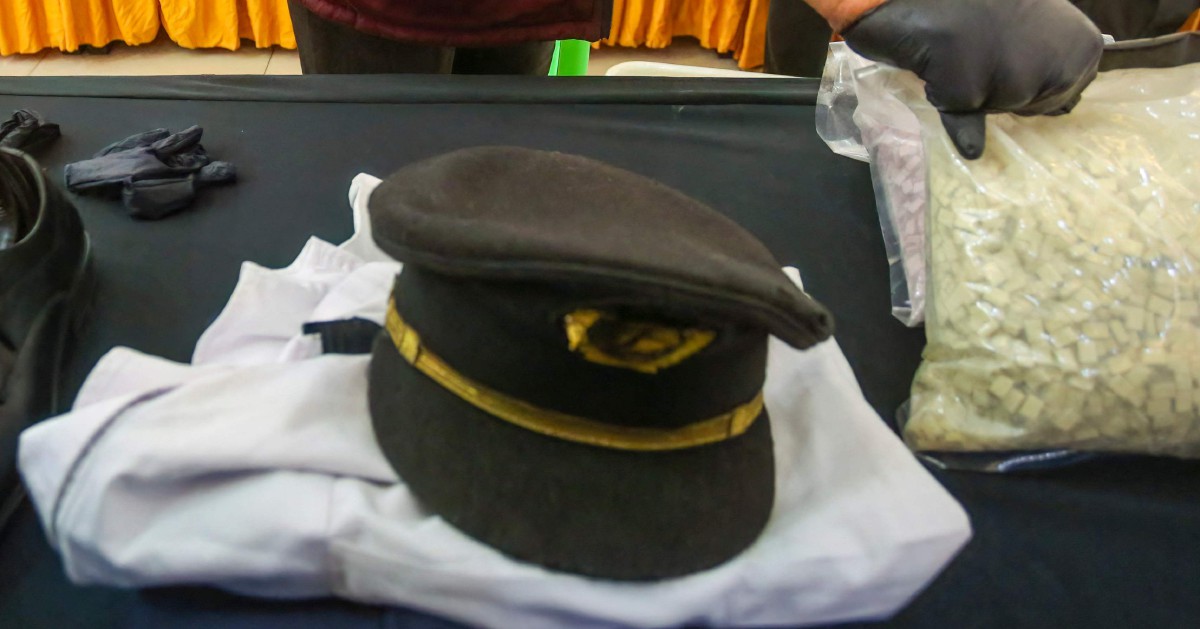
Police investigators have identified an airport employee in his 30s as a significant person of interest in their ongoing inquiry into how a Malaysia Airlines pilot allegedly managed to transport drugs through security checkpoints at Kuala Lumpur International Airport, marking a critical development in the case.
The focus on the airport worker signals that the investigation has broadened beyond examining the pilot's actions alone, suggesting potential involvement from ground staff in facilitating the movement of prohibited items through KLIA's security barriers. The nature of the employee's position at the airport and their potential access to restricted areas now forms a central avenue of inquiry for authorities attempting to reconstruct how the alleged smuggling operation functioned.
Kuala Lumpur International Airport, as Malaysia's primary aviation hub handling millions of passengers annually, operates under stringent security protocols designed to prevent contraband from entering aircraft and baggage systems. The presence of a potential insider connection raises serious questions about security vulnerabilities at one of Southeast Asia's busiest transportation nodes and how established safeguards may have been circumvented.
The investigation underscores growing concerns within Malaysia's aviation sector regarding drug trafficking networks and their methods. Commercial airlines have become increasingly attractive targets for smuggling operations, as their international routes provide direct access to markets across Asia, Europe, and beyond. The involvement of a Malaysia Airlines pilot—an individual holding a position of trust and regular airport access—demonstrates how criminal syndicates attempt to exploit employees at multiple organizational levels.
For Malaysian aviation authorities, this case highlights the critical importance of vetting procedures, ongoing security training, and monitoring systems designed to detect suspicious activities among airport and airline personnel. The identification of the airport worker indicates that investigation teams are systematically examining employee records, access logs, and transaction histories to establish connections and timelines.
The broader implications for KLIA's operational security extend beyond this single incident. Airport authorities must evaluate whether current screening protocols adequately account for insider threats, particularly involving staff members with legitimate access to sensitive areas. Regular audits of security procedures, enhanced surveillance of high-risk zones, and updated employee conduct standards may become necessary responses.
Malaysia Airlines, Southeast Asia's flagship carrier, faces reputational considerations as the investigation progresses. The airline maintains international safety and security standards, yet any suggestion that employees might be complicit in smuggling operations demands transparent communication with regulatory bodies, international aviation partners, and the travelling public. The company's internal security divisions are likely coordinating closely with police to provide personnel records and operational details.
For the aviation industry across Southeast Asia, this case serves as a cautionary reminder that security threats often emanate from within organizational structures rather than exclusively from external actors. Airlines and airport operators throughout the region may reassess their personnel security frameworks, including background investigations, psychological assessments, and financial status reviews that might reveal vulnerability to criminal recruitment.
The investigation's progression will likely involve forensic analysis of communications, financial transactions, and surveillance footage spanning multiple locations within KLIA's extensive facilities. Authorities will seek to establish whether the alleged arrangement was an isolated incident or part of a larger smuggling operation involving multiple participants across different organizations.
Police inquiries typically examine motivation, operational methodology, and the identities of other individuals potentially involved in the scheme. The age profile of the identified employee suggests someone with sufficient experience to understand airport procedures while potentially facing economic pressures or other vulnerabilities exploitable by criminal networks seeking recruitment.
Stakeholders in Malaysia's aviation sector—including ground handlers, security contractors, and airline management—are likely monitoring this case closely as it may prompt regulatory updates affecting employment practices, access control mechanisms, and inter-agency information sharing. The outcome will potentially influence how aviation authorities across the region approach insider threat prevention.
As the investigation deepens, the cooperation between Malaysian police, KLIA security divisions, and Malaysia Airlines will prove essential in determining the full scope of any alleged misconduct. The case underscores how combating drug trafficking requires vigilance not only at border controls and terminal security checkpoints, but also within the personnel structures of organizations entrusted with maintaining aviation security standards.

