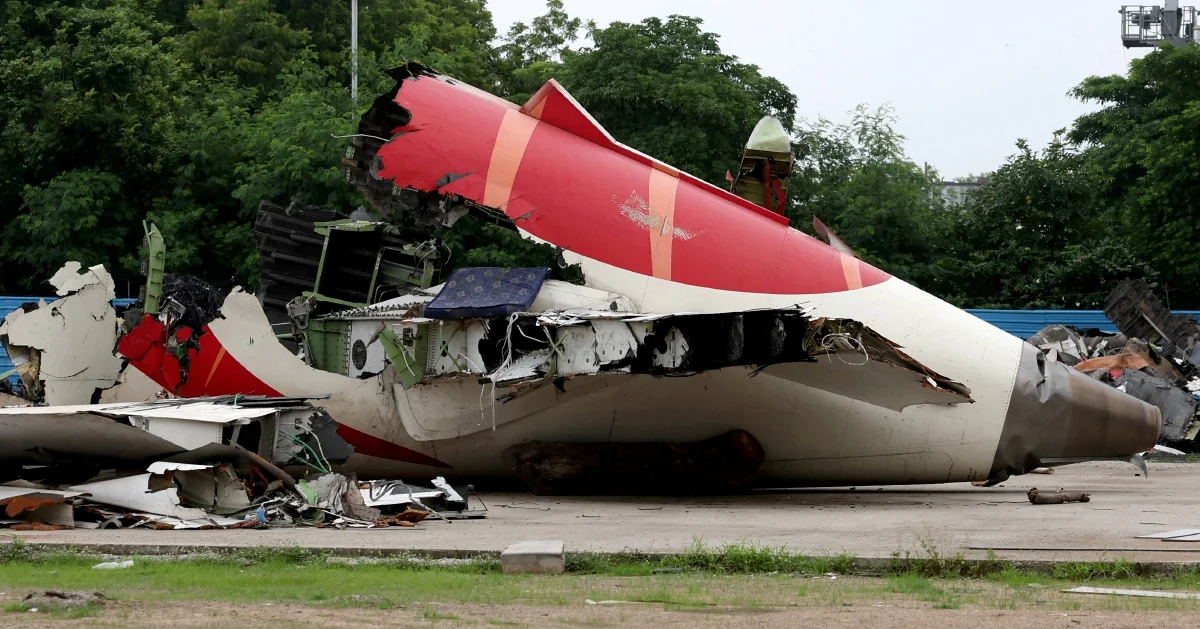
India's premier aircraft accident investigation authority has advanced toward concluding its comprehensive examination of last year's catastrophic Air India crash, with investigators having completed critical analysis of the flight deck voice recorder and undertaken psychological assessment of the flight crew, according to legal documents filed in court.
The progression into the investigation's final phase represents a significant milestone in understanding the sequence of events and contributing factors that led to the tragedy. The completion of the cockpit voice recorder transcript provides investigators with a detailed chronological record of communications, procedural calls, and ambient sounds from the flight deck during the incident. This audio evidence typically serves as a crucial foundation for reconstructing the crew's decision-making processes and identifying any communication breakdowns or technical anomalies that may have occurred during the critical phases of flight.
Psychological autopsy findings have added another dimension to the inquiry, offering insights into the mental state, training history, and professional backgrounds of those in command of the aircraft. This type of analysis examines stress factors, fatigue indicators, and cognitive performance patterns that may have influenced crew response to the emergency or crisis situation. Such reviews are standard practice in modern aviation accident investigations, particularly when human factors appear relevant to the incident sequence.
The investigation's progression reflects the Indian authorities' commitment to a thorough, methodical examination of all contributing elements. By moving into its concluding phase, the inquiry team has already sifted through extensive wreckage analysis, flight data recorder information, and witness testimonies. The additional layers of technical and psychological evidence now being synthesized will inform the final accident report, which typically includes detailed findings and safety recommendations aimed at preventing similar incidents.
For Malaysian and broader Southeast Asian aviation stakeholders, the outcome of this investigation carries professional significance. The region's airlines, regulatory bodies, and training institutions often reference findings from major accident inquiries when updating safety protocols and crew resource management procedures. Air India operates regional routes and partnerships that intersect with Southeast Asian airspace and aviation networks, making the technical and procedural conclusions potentially relevant across the region.
The court filing documentation indicates that investigators have maintained momentum despite the complexity inherent in reconstructing the events surrounding a significant aviation incident. The systematic completion of required evidence reviews—voice recorder analysis, psychological assessment, and presumably ongoing evaluation of maintenance records, weather data, and operational procedures—demonstrates adherence to international investigative standards established by the International Civil Aviation Organization.
Investigations of this magnitude typically span extended periods to ensure that no contributing factor is overlooked. The transition toward final conclusions suggests that preliminary findings may be consolidated into a comprehensive report that addresses technical failures, procedural compliance, environmental factors, and human performance elements. Each of these categories carries weight in understanding how the accident sequence unfolded and what preventive measures might be implemented across the aviation industry.
The use of psychological autopsies in aviation investigations remains a relatively specialized field, but increasingly recognized as valuable in understanding crew decision-making under stress. These assessments examine factors such as fatigue management, workload distribution, adherence to standard operating procedures, and interpersonal dynamics within the flight deck—all of which can influence crew response during abnormal situations. The inclusion of such analysis in this investigation reflects contemporary best practices in accident investigation methodology.
As the inquiry approaches its conclusion, the forthcoming accident report will likely become a reference document for aviation authorities, airlines, and training organizations across South Asia and beyond. Such reports typically contain detailed technical findings accompanied by carefully framed safety recommendations intended to address systemic vulnerabilities identified during the investigation. These recommendations frequently influence regulatory policy adjustments and operational changes across the aviation sector.
The timing of the investigation's advancement into its final stages comes as the aviation industry continues to strengthen safety cultures and implement technological upgrades aimed at preventing accidents. Modern aircraft are equipped with increasingly sophisticated monitoring and recording systems that generate vast quantities of operational data, making the investigator's task both more comprehensive and more demanding than in previous decades.
For families and stakeholders affected by the crash, the progression toward investigation closure represents movement toward understanding and closure, though the formal accident report release date remains unconfirmed. International aviation practice typically involves extended periods of evidence analysis and report drafting before public release of final conclusions, ensuring that findings are thoroughly substantiated and clearly communicated.

