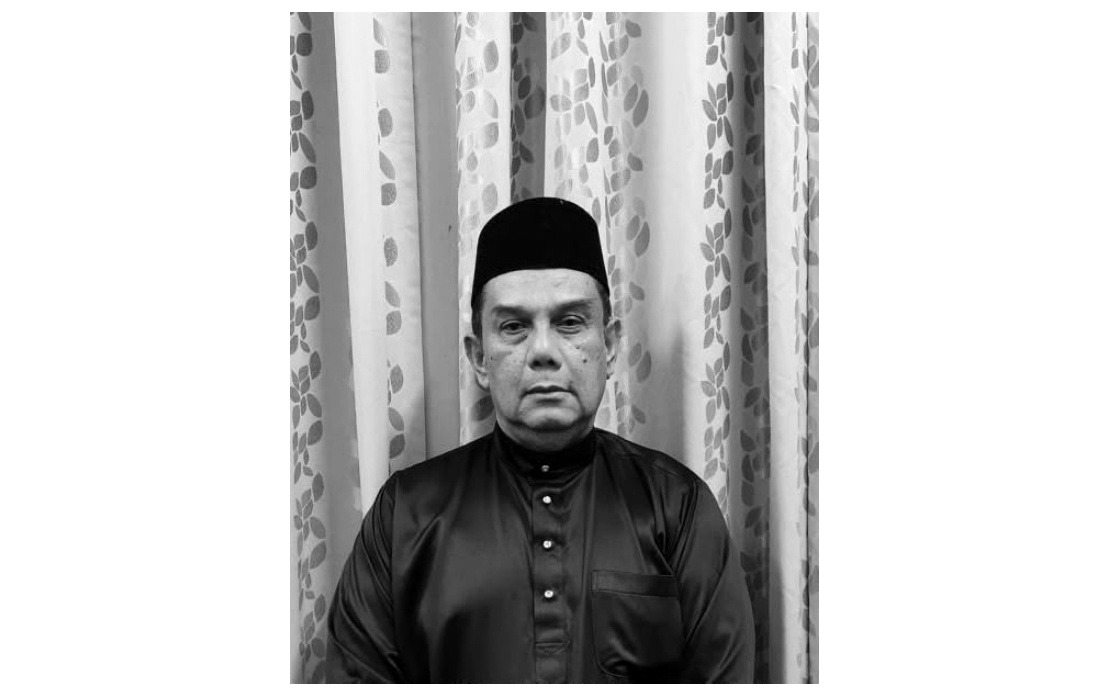
Datuk Jailani Harun, the long-serving diplomatic officer to UMNO president Datuk Seri Dr Ahmad Zahid Hamidi, passed away at Hospital Serdang in Kuala Lumpur on the morning of July 7. The 64-year-old, whose death occurred at 11.34 am, was confirmed by his eldest daughter, Nabilla, who is 33 years old. The announcement was made public through the Office of the Deputy Prime Minister and subsequently confirmed by news agency Bernama.
Jailani brought a distinctive career trajectory to his role in Ahmad Zahid's inner circle. Before assuming diplomatic duties, he had established himself as a journalist, lending him a sophisticated understanding of media dynamics and public communication—assets that proved valuable in orchestrating messaging and managing relationships with the press on behalf of one of Malaysia's most prominent political figures. His transition from newsroom work to the higher echelons of UMNO's leadership structure reflected the party's practice of drawing talent from diverse professional backgrounds to strengthen its administrative apparatus.
The diplomatic position Jailani held placed him at the intersection of UMNO's political operations and its engagement with international counterparts. As Ahmad Zahid consolidated his position following his assumption of the UMNO presidency, individuals in such roles become instrumental in facilitating high-level conversations, coordinating with foreign delegations, and maintaining the party's international profile. These responsibilities carry particular weight given UMNO's historical significance in Malaysian politics and its ongoing involvement in regional affairs throughout Southeast Asia.
Jailani's funeral arrangements reflect Islamic tradition and Kuala Lumpur civic practice. His remains are being transported to Al-Mubarakah Mosque located in the Taman Bukit Cheras residential neighbourhood, where prayers will be conducted before the body is subsequently interred at Alam Damai Cheras Cemetery following the Asar prayer time. Such arrangements typically draw attendees from political circles, media contacts built during his journalistic career, and members of the broader UMNO organization with whom he had collaborated.
Communications Minister Datuk Fahmi Fadzil issued a formal condolence message expressing sympathy to Jailani's bereaved family members and wider circle of companions. In his statement shared across social media platforms, Fahmi invoked religious sentiments appropriate to the occasion, requesting divine strength and patience for those left behind. The minister's intervention underscores the respect accorded to Jailani within government circles and acknowledges the significance of his contributions to Ahmad Zahid's office and, by extension, to UMNO's organizational structure.
The passing of individuals in positions close to party leadership often prompts reflection within political organizations about succession planning and the continuity of institutional knowledge. Jailani's tenure as diplomatic officer spanned a crucial period in contemporary Malaysian politics, encompassing transformations within UMNO's structure and the party's recalibration of its political strategy following the 2018 electoral defeat and subsequent developments. His accumulated understanding of both internal party dynamics and media landscape navigation represented institutional capital that such organizations develop incrementally over years.
For Malaysian political observers, Jailani's death marks the loss of a figure whose professional orientation bridged two significant sectors: journalism and political administration. Such individuals often serve as crucial connectors between the formal political establishment and the information ecosystem that shapes public perception. His background in reporting news provided him with perspectives on how political messaging is received and interpreted, knowledge that informed his work in supporting Ahmad Zahid's communications and diplomatic endeavours.
The loss comes during a period of considerable activity within UMNO as the party navigates its role in the current political configuration. Ahmad Zahid, as party president, continues to be instrumental in shaping UMNO's policy direction and political positioning. The absence of an experienced diplomatic officer with Jailani's combination of journalistic insight and established political relationships creates an operational gap that the organization will need to address through either appointing a successor or redistributing responsibilities among existing staff members.
Beyond the immediate context of UMNO's operations, Jailani's passing represents a broader transition within Malaysia's political generation. Individuals who came of age during the latter decades of the twentieth century and occupied influential positions through both media and political channels are gradually stepping back from active involvement. Their departure removes witnesses to and participants in defining moments of Malaysian political history, narrowing the circle of those who can provide firsthand accounts of pivotal decisions and negotiations.
The formal recognition accorded to Jailani through messages from government officials indicates the regard in which he was held across political structures. His role, though not always visible to the general public, formed part of the administrative infrastructure through which senior politicians manage their organizational responsibilities and external relationships. The mourning process unfolding in Kuala Lumpur reflects acknowledgment of his professional contributions and the personal connections he had cultivated throughout his career in both journalism and political service.

