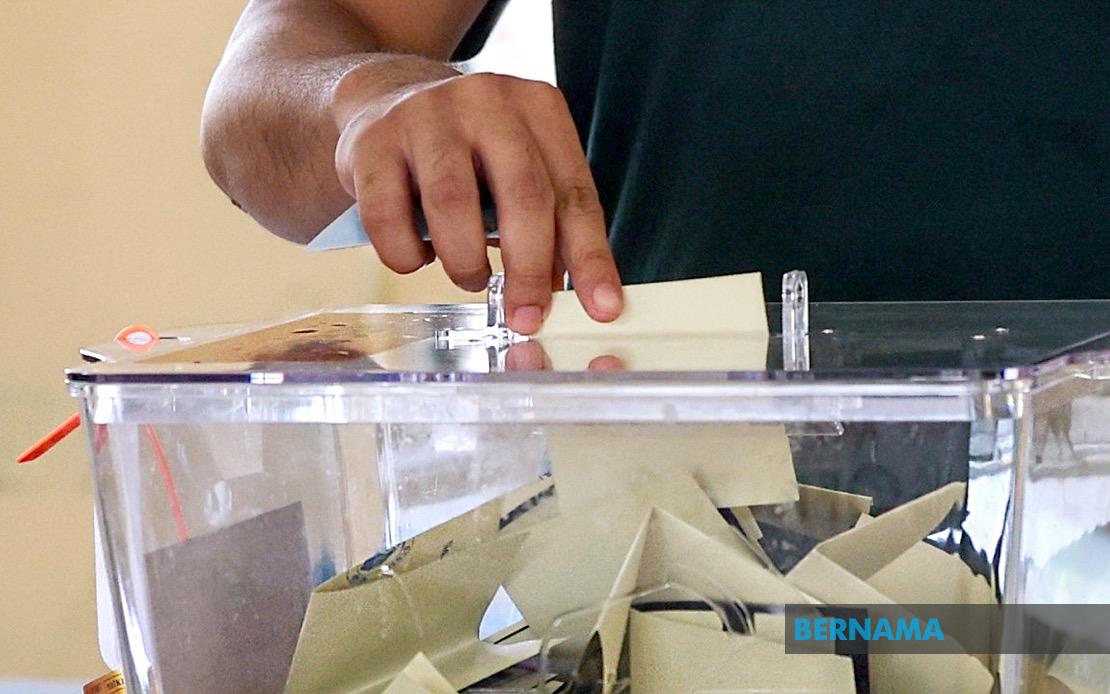
The 16th Johor state election delivered a bitter outcome for Rahmat Shukor, a 57-year-old entrepreneur who undertook a gruelling 120-kilometre journey from Batu Pahat to Johor Bahru only to be turned away from the ballot box by the narrowest of margins. Having driven non-stop from his late mother's house in Sri Medan, Rahmat pulled up at SJK (C) Foon Yew 4 polling centre in the state capital just 60 seconds after the official 6 pm closure time, leaving him unable to participate in what would have been his democratic right on voting day.
The source of Rahmat's predicament lay in unexpected traffic congestion that materialised along the main route south. Beginning from the Simpang Renggam Rest and Recreation Area (R&R) and extending towards Sedenak, unusually severe traffic jams compounded his journey significantly. Despite attempting to navigate around the congestion using alternative routes through the Skudai corridor, Rahmat could not overcome the delays. Speaking to journalists outside the polling centre, he explained his attempted workarounds and expressed frustration at arriving so close to his objective yet being unable to achieve it.
Rahmat's original plan had involved returning to Johor Bahru on Friday evening, but fatigue from plantation and contract work prompted him to remain overnight at his mother's residence in Batu Pahat district. This decision, while understandable given his physical exhaustion, ultimately cost him his vote. The rest of his family unit—including his wife—had travelled back to the city earlier and successfully cast their ballots, making Rahmat the sole family member excluded from participation in the electoral process.
The voter carried documentation of his predicament, including photographs of the traffic jam that had waylaid him. He presented this evidence to polling officials in an attempt to explain his circumstances, though such documentation could not override the hard-and-fast rule that voting must occur before the prescribed closure time. Rahmat's situation highlights the practical challenges faced by voters in Malaysia's geographically dispersed states, where significant distances between residential locations and allocated polling centres can create genuine obstacles to exercising voting rights.
While understandably disappointed and saddened by the outcome, Rahmat adopted a stoic stance towards his missed opportunity. He acknowledged his acceptance of the situation and expressed hope that the broader democratic process would unfold without further complications. His restraint reflected a maturity regarding electoral procedures, even as his genuine frustration remained evident from the circumstances of his journey.
The closure of all 1,076 polling centres across Johor at precisely 6 pm marked the conclusion of voting for the state election. Election officials operated according to strict protocols designed to ensure the integrity and consistency of the voting process across the entire jurisdiction. These protocols, while necessary for maintaining electoral standards, can appear unforgiving to voters faced with legitimate logistical obstacles beyond their immediate control.
Rahmat's experience underscores broader questions about voter accessibility in Malaysia's electoral system. The 120-kilometre distance he traversed reflects the reality that many Malaysian voters reside far from their designated polling locations, whether due to employment obligations, family circumstances, or simple geography. In Johor's case, the state's sprawling landmass means residents in southern districts like Batu Pahat may face substantial travel times to reach voting centres in Johor Bahru, particularly during periods of heavy traffic that can strike unexpectedly on major highways.
The incident also raises questions about the timing of state elections and whether voting periods might benefit from extended hours or additional voting days, particularly in states covering large geographic areas. While early voting procedures exist in Malaysia, not all voters are eligible or aware of these options. Rahmat's situation—where a committed citizen made a genuine effort to participate but was defeated by external circumstances—demonstrates that even motivated voters can find themselves disenfranchised through no fault of their own.
Traffic congestion on Malaysian highways, particularly during periods of high volume such as election day when voters travel to polling stations, represents a known challenge. The Skudai and Sedenak corridors that affected Rahmat connect major population centres and regularly experience bottlenecks during peak periods. Unexpected congestion of the severity Rahmat encountered can add significant time to journeys, and voters cannot necessarily anticipate such delays when planning their travel schedules.
Rahmat's experience also reflects the importance of electoral participation in Malaysian democracy. Despite his exhaustion from labour-intensive work, he remained committed to casting his vote, driving 120 kilometres across the state specifically to exercise this fundamental right. That his determination was ultimately frustrated by circumstances beyond reasonable control serves as a reminder that barriers to voting—whether bureaucratic, geographic, or circumstantial—remain real obstacles that some voters must overcome.
The broader implications of incidents like Rahmat's extend beyond individual disappointment. Election authorities and policymakers may consider whether additional measures could facilitate participation among voters facing geographic or logistical challenges. Options might include extending voting hours in states with dispersed populations, implementing mobile polling units in remote areas, or providing clearer advance notice of alternative voting arrangements to citizens who face obstacles.
Moving forward, Rahmat's story serves as a cautionary tale for other voters across Malaysia's federal territories and states. It underscores the importance of planning voting logistics well in advance, particularly for those residing significant distances from polling centres. While his situation proved tragic despite genuine effort, it also demonstrates that Malaysia's electoral system, with its strict closure times and formal procedures, operates with the kind of rigour necessary to maintain integrity in democratic processes—even when that rigour occasionally works against committed voters caught in unfortunate circumstances.

