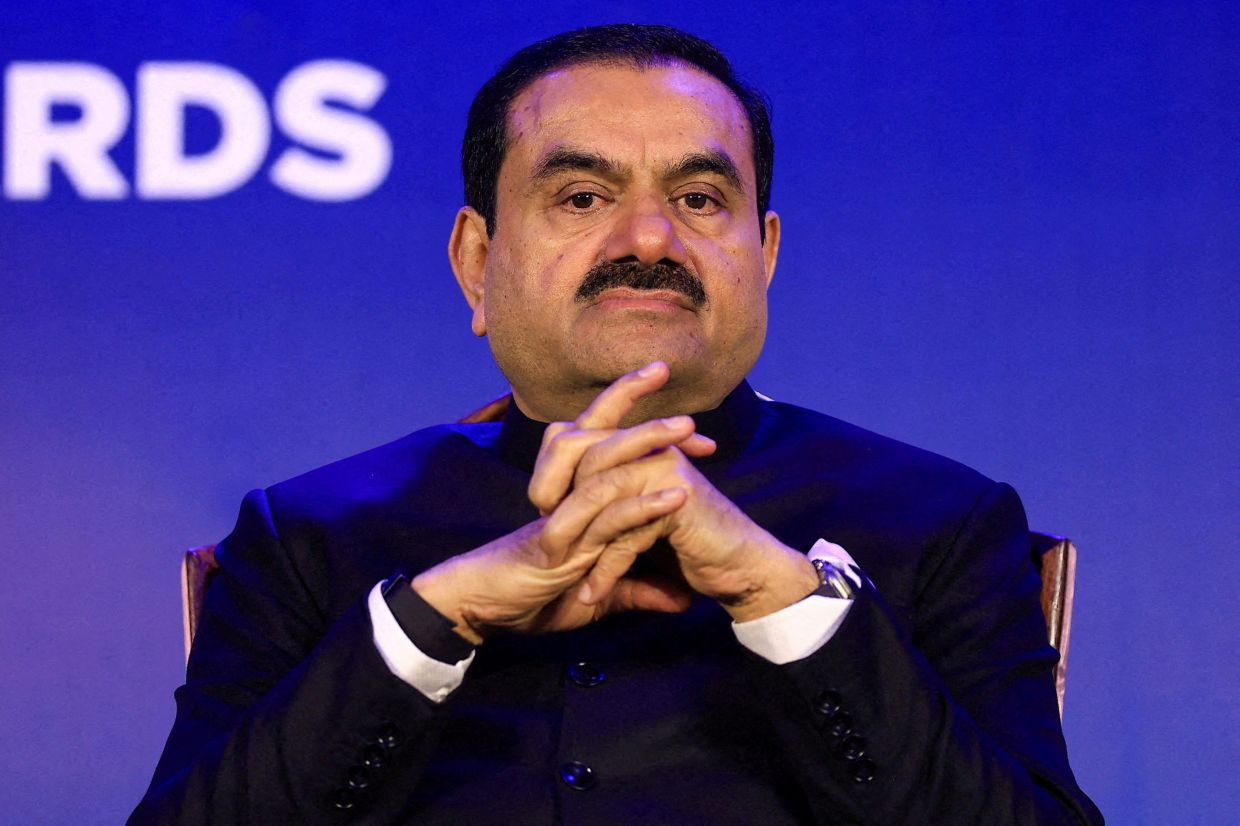
The legal fight surrounding Indian billionaire Gautam Adani appears to be reaching its conclusion in the United States, with his defence team petitioning a Brooklyn-based federal judge to formally drop criminal charges that have hung over the tycoon since his indictment last year. On Wednesday, June 24, Adani's lawyers made their formal request to US District Judge Nicholas Garaufis, building on the Justice Department's announcement in May that prosecutors would no longer pursue the case against the business magnate.
Adani initially faced charges rooted in an elaborate scheme involving his conglomerate's pursuit of lucrative renewable energy contracts in India. Prosecutors had alleged that the billionaire and his associates agreed to funnel bribes to Indian government officials to secure approvals enabling a subsidiary of the Adani Group to develop and operate a major solar power facility. The charges further claimed Adani deliberately misled American investors by presenting false and reassuring statements about his company's commitment to fighting corruption, thereby artificially inflating the perceived safety of investments in Adani Group entities and related financial instruments.
Robert Giuffra, the lead attorney representing Adani in this matter, presented multiple legal arguments for why the judge should grant the dismissal request. His core contention rested on the assertion that American courts lack proper jurisdiction to prosecute conduct that occurred and was centred on Indian territory. Giuffra also argued that the evidence regarding the alleged bribery transactions in India would be extraordinarily difficult or impossible for prosecutors to prove within an American legal framework, undermining the prosecution's case on evidentiary grounds. These jurisdictional and evidentiary challenges reflect long-standing debates in international criminal law about the reach of US courts into foreign business dealings.
The Adani Group has maintained an unwavering stance of complete denial regarding all wrongdoing allegations, both in public statements and through its legal representatives. This consistent position has been central to the company's defence strategy throughout the investigation and prosecution process. The conglomerate, one of Asia's largest diversified industrial holdings with interests spanning ports, power generation, renewable energy, and infrastructure, has sought to protect its reputation and market position against what it characterises as unfounded allegations.
Judge Garaufis must formally approve any dismissal of the charges, giving the court final authority over whether the case is terminated. This procedural requirement ensures judicial oversight of prosecutorial decisions and prevents charges from simply disappearing without judicial review. The judge's role is particularly significant in high-profile international cases where public interest and institutional credibility are at stake.
According to Giuffra's filing, the Justice Department's decision to withdraw prosecution stemmed from extensive negotiations spanning several months between prosecutors and the legal teams representing Adani and his co-defendants. These communications and meetings allowed both sides to thoroughly examine the case merits, legal theories, and practical prospects for successful prosecution. The negotiations ultimately convinced federal prosecutors that continuing the case would not serve the interests of justice, leading to their formal decision to abandon the indictment.
Beyond the criminal charges, Adani's legal representatives also requested that the judge formally dismiss civil enforcement actions initiated by the US Securities and Exchange Commission, the regulatory body responsible for overseeing capital markets and investor protection in the United States. These civil charges related to the same allegations of misleading investors about anti-corruption controls. However, the SEC path has already progressed toward resolution through a negotiated settlement agreement under which Adani would pay USD 6 million to settle the regulator's allegations. Additionally, Sagar Adani, the billionaire's nephew who was also implicated in the SEC matter, agreed to pay USD 12 million as part of the same settlement arrangement. These payments represent a significant financial consequence but allow both parties to resolve the dispute without proceeding to trial.
The financial settlements extend beyond the SEC agreement. Adani Enterprises Limited, the flagship publicly traded vehicle of the Adani Group, separately negotiated a major settlement with the US Treasury Department's Office of Foreign Assets Control to resolve alleged violations of American sanctions regulations governing trade and financial transactions with Iran. Under this arrangement, the company agreed to remit USD 275 million to the US government treasury, demonstrating the substantial economic consequences Adani entities have faced in resolving their legal disputes with American authorities.
These developments carry significant implications for business confidence and investor sentiment throughout South and Southeast Asia. The Adani Group's struggles with US enforcement authorities have reverberated through regional stock markets and affected the company's international financing capacity. The resolution of criminal charges through prosecution withdrawal would substantially reduce the reputational damage and legal uncertainty that have shadowed the company since the original indictment. For other major Asian industrial conglomerates with substantial US investor bases and international financing needs, the Adani case has served as a cautionary example of how foreign corruption allegations and sanctions compliance failures can trigger American federal investigations and trigger costly settlements.
For Malaysian readers and businesses, the Adani situation underscores the importance of maintaining robust compliance frameworks when operating internationally or accessing US capital markets. The case illustrates how allegations of misconduct in Indian business dealings can trigger federal prosecution in Brooklyn if they involve US investors or fraudulent misrepresentations made to American financial markets. The substantial penalties already paid and ongoing regulatory oversight reflect the serious enforcement posture American authorities maintain regarding anti-corruption standards and sanctions compliance, standards that increasingly apply extraterritorially to foreign companies with US exposure.

