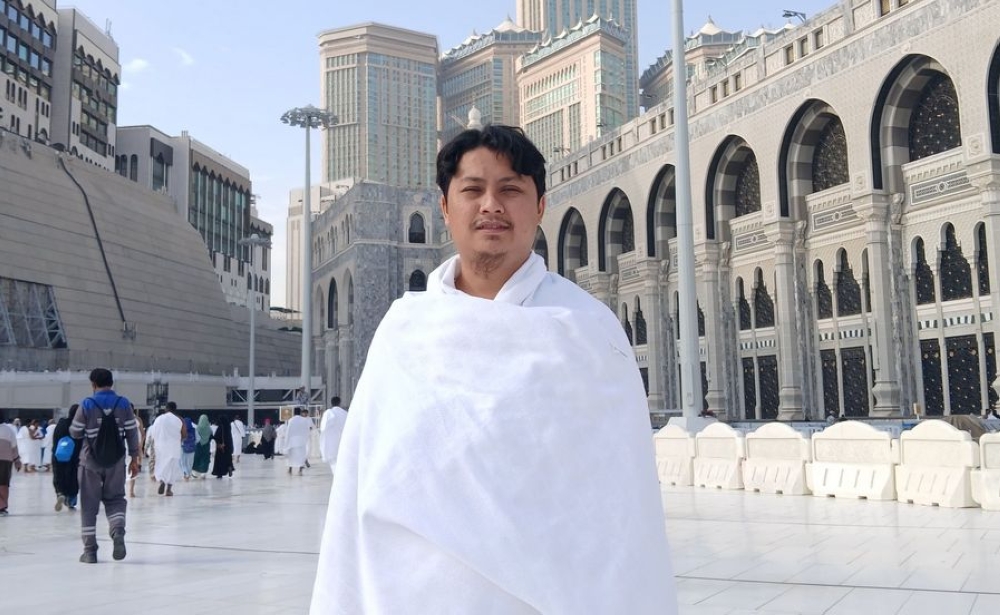
Activist Tamim Dahri Abdul Razak has been re-arrested by authorities in Alor Setar, Kedah, after completing a two-day remand that concluded on July 20. The development signals that investigations into the activist's case have progressed sufficiently for police to pursue further detention and formal charges. Tamim, a prominent figure in civil society advocacy, now faces the prospect of appearing in court to answer charges related to the matter under investigation.
The re-arrest follows standard legal procedure in Malaysia, where suspects may be detained for investigative purposes within specified timeframes before being charged or released. The two-day remand period, which had just expired, allowed police to conduct questioning and gather evidence pertinent to their case. The decision to re-arrest rather than release Tamim indicates that officers believe sufficient grounds exist to continue proceedings, a move that underscores the seriousness with which authorities are treating the allegations.
The timing and nature of the charges remain significant considerations for observers following the case. Malaysian law enforcement has in recent years faced scrutiny over its handling of activist arrests, with civil liberties organisations closely monitoring the treatment of those engaged in political expression and protest activities. The circumstances surrounding Tamim's detention and the specific allegations he faces will likely attract attention from both domestic and international human rights monitors.
Tamim's arrest reflects broader patterns in Malaysia's political landscape, where the intersection of activism, public expression, and legal boundaries continues to generate debate. The activist community has experienced heightened pressure in recent years, with several high-profile arrests occurring amid contentious social and political circumstances. How authorities proceed against Tamim will therefore carry implications beyond his individual case, potentially influencing the operational environment for civil society actors across the country.
The forthcoming charges represent a critical juncture in the legal process. Formal charges will clarify the specific offences that police allege Tamim committed, enabling his legal team to mount a defence and the courts to assess the evidence presented. The nature and severity of charges will substantially affect the potential consequences Tamim faces, ranging from fines to imprisonment depending on the legislation invoked.
In the Malaysian legal system, once charges are filed, defendants have the right to legal representation and due process protections. The court system, while not without its complexities, provides mechanisms for challenging prosecutions and examining the strength of evidence. Observers will be watching to determine whether the case proceeds smoothly through the judiciary or encounters procedural complications that might indicate broader issues with the investigation or prosecution.
The role of Kedah's state authorities in this matter also warrants consideration, as police operations often reflect broader political priorities and dynamics within particular states. Kedah's governance and law enforcement priorities may provide context for understanding why investigations into Tamim's activities escalated to the point of arrest and detention. State-level factors frequently influence how police exercise their discretionary powers in pursuing cases against activists and political figures.
International observers and regional human rights organisations typically monitor such arrests carefully, particularly when they involve individuals engaged in legitimate advocacy work. The substance of allegations against Tamim will therefore be examined not only by Malaysian courts but also by international bodies concerned with freedom of expression and assembly. How Malaysia's judicial system handles the case may influence the country's international standing regarding democratic freedoms and rule of law.
The broader implications for civil society in Malaysia cannot be overlooked. Activist arrests, whether ultimately resulting in convictions or acquittals, can create a chilling effect on civic participation and public expression. Young activists and organisations may become more cautious about their advocacy strategies, self-censoring their activities out of concern about legal consequences. Understanding whether Tamim's arrest represents isolated law enforcement action or part of a coordinated campaign to constrain activism remains important for assessing the health of Malaysia's democratic institutions.
For those following Tamim's case, the coming weeks will prove decisive. The charges to be filed, the bail conditions set by the court, and the initial court appearances will establish the trajectory for what may become a lengthy legal process. Whether the case results in conviction, acquittal, or dismissal will send signals throughout Malaysian society about the boundaries of permissible activism and the protections available to those engaged in public advocacy.
The situation also highlights ongoing tensions within Malaysia between security concerns that authorities cite to justify arrests and civil liberties advocates who argue that legitimate expression is being improperly criminalised. These competing perspectives will likely surface during court proceedings, with the judiciary serving as the arbiter of where legal boundaries lie. Tamim's case therefore extends beyond individual circumstances to touch on fundamental questions about the proper balance between state authority and individual freedoms in a democratic society.

