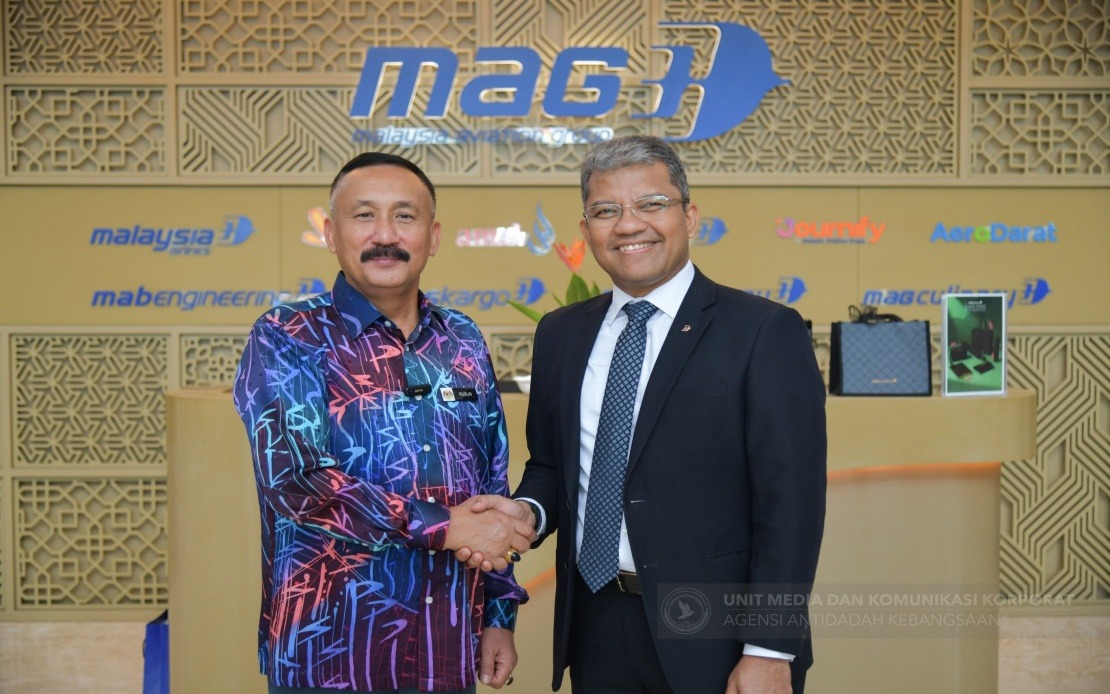
Malaysia's fight against drug abuse is expanding into the aviation sector, with the National Anti-Drugs Agency (AADK) and Malaysia Aviation Group (MAG) joining forces through a newly signed memorandum of understanding to fortify drug prevention efforts across the industry. The partnership, formalised during a courtesy visit in Sepang, represents a significant step in addressing substance abuse among workers in one of the nation's most safety-critical industries.
Datuk Ruslin Jusoh, director-general of AADK, emphasised the urgency of collaborative action, noting that the agreement would enable both organisations to intensify their collective approach to prevention, eradication, and public education concerning the dangers posed by drugs and prohibited substances. The cooperation signals recognition within Malaysia's aviation sector that proactive measures are essential to maintain operational integrity and protect the workforce from drug-related harms.
The strategic engagement centred on creating a comprehensive framework for drug abuse prevention tailored specifically to the unique environment of aviation operations. During the meeting with MAG Chief Executive Officer Captain Nasaruddin A Bakar, both parties explored multiple dimensions of collaboration, moving beyond conventional awareness initiatives to establish concrete preventive mechanisms that address the particular vulnerabilities and challenges faced by aviation personnel.
A cornerstone of the partnership is the implementation of the Drug-Free Workplace (TEKAD) initiative across MAG premises and facilities. This programme represents a deliberate effort to establish systematic controls and workplace protocols designed to detect, deter, and ultimately eliminate drug use among staff. For Malaysia Airlines and other MAG subsidiaries, maintaining a drug-free environment is not merely an administrative obligation but a fundamental safety imperative, given that employees in aviation—from pilots to ground crew—bear direct responsibility for passenger safety and aircraft operations.
Ruslin articulated the critical safety dimension underlying this collaboration, framing drug prevention as an indispensable protective measure that must be implemented urgently. The aviation industry operates under stringent international safety standards, and any compromise to employee sobriety and cognitive function poses unacceptable risks to passengers, crew, and aircraft. This partnership therefore positions drug prevention as integral to the regulatory and operational framework governing Malaysian aviation.
The AADK official further highlighted that the collaboration extends the agency's mandate beyond traditional law enforcement and public health domains into the corporate sector, leveraging Malaysia Airlines' profile and reach to amplify anti-drug messaging nationally. By embedding drug prevention programmes within one of Malaysia's most visible and internationally-connected organisations, the partnership aims to normalise drug awareness education and create cultural shifts toward healthier, substance-free workplaces across other sectors.
The involvement of AADK Deputy Director-General (Operations) Zainudin Abdullah alongside delegations from both organisations underscores the institutional commitment and cross-functional coordination dedicated to this initiative. The presence of senior operational leadership from AADK signals that implementation will be guided by experienced professionals capable of translating strategic intentions into practical, enforceable workplace policies.
For Southeast Asian aviation, this Malaysian initiative offers a model for how national regulatory agencies and commercial operators can partner to address emerging workplace challenges. As drug use patterns evolve and new substances emerge globally, aviation hubs throughout the region face similar pressures to maintain safety standards while supporting employee wellbeing. Malaysia's proactive engagement between its anti-drugs authority and a major carrier demonstrates how public-private collaboration can strengthen sectoral resilience.
The partnership also reflects broader Malaysian policy trends emphasising holistic drug control strategies that encompass prevention, treatment, and rehabilitation alongside enforcement. By working through corporate channels and workplace mechanisms rather than relying exclusively on punitive approaches, AADK and MAG acknowledge that sustainable progress against drug abuse requires environmental modifications, educational interventions, and supportive institutional frameworks.
Implementation of such programmes typically involves employee screening protocols, awareness training, counselling services, and rehabilitation pathways for affected workers. The Drug-Free Workplace initiative suggests that both organisations will establish comprehensive support systems enabling staff to address substance abuse without automatically facing punitive consequences, potentially encouraging voluntary disclosure and early intervention.
This collaboration also carries implications for Malaysian aviation's international standing. As global aviation bodies increasingly scrutinise safety practices and regulatory compliance across member states, Malaysia's demonstration of serious commitment to drug prevention enhances the country's reputation for maintaining world-class safety standards. Foreign airlines, aircraft manufacturers, and aviation authorities may view this partnership as evidence of Malaysia's professional approach to safety governance.
Looking forward, the success of the AADK-MAG initiative will likely influence whether similar partnerships extend to other high-risk industries—maritime shipping, construction, transportation, and manufacturing—where substance abuse presents documented safety and productivity challenges. If the aviation sector model proves effective, it could catalyse wider institutional adoption of structured drug prevention frameworks across Malaysia's economic sectors.
The timing of this partnership aligns with international recognition that workplace drug prevention requires tailored, sector-specific approaches rather than one-size-fits-all interventions. By engaging directly with Malaysia Aviation Group, AADK demonstrates sophisticated understanding that effective drug control demands engagement with industry stakeholders, corporate leadership, and workplace cultures themselves, transforming the aviation sector into an active partner in Malaysia's broader anti-drugs strategy.

