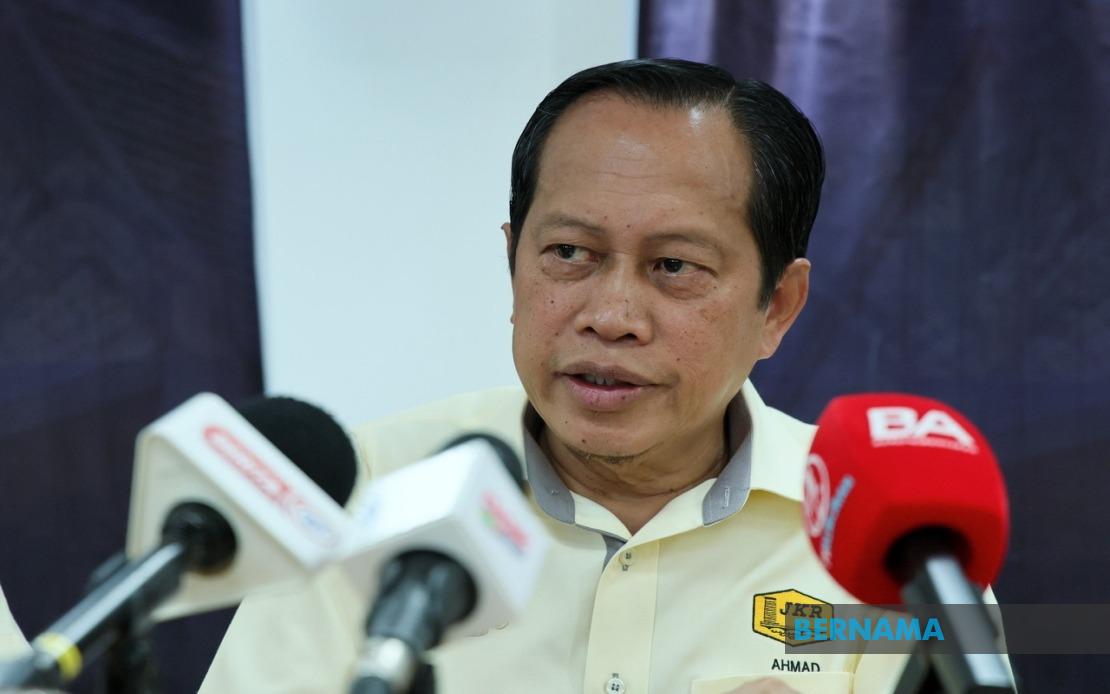
Malaysia's education infrastructure is undergoing significant expansion, with 524 new classroom projects worth RM668 million currently in progress across the country to handle the Year One intake expected in 2027. Deputy Works Minister Datuk Seri Dr Ahmad Maslan announced the milestone on August 17 during a handover ceremony in Terengganu, emphasising the scale and complexity of this nationwide educational infrastructure drive.
Of the total projects, 517 have received formal Letters of Acceptance, with three already completed and handed over ahead of their original schedules. This completion rate, though small in percentage terms, signals that the ambitious timeline for project delivery remains achievable despite the logistical challenges inherent in such a widespread construction endeavour. The early completion of facilities demonstrates that proper planning and coordination between the Public Works Department and the Education Ministry can overcome typical infrastructure delays that have plagued similar initiatives in the past.
The projects collectively will create 1,780 new classrooms across 459 schools nationwide. This disaggregation is significant for educational planning: 1,255 classrooms will serve mainstream primary education, while 525 will be dedicated to the Special Education Integration Programme (PPKI). This allocation reflects Malaysia's commitment to inclusive education, ensuring that students with special needs have appropriately configured learning spaces within mainstream school environments rather than being segregated into separate facilities.
Construction methodology represents a modernising shift in how Malaysia approaches school infrastructure. The projects employ modular construction techniques and the Industrialised Building System, approaches that reduce construction timelines, minimise on-site waste, and improve quality control compared to traditional brick-and-mortar methods. For Malaysian policymakers and educators, this approach offers lessons for future infrastructure projects, as it demonstrates how contemporary building technologies can accelerate capacity expansion while maintaining structural standards.
Regional distribution of these projects reveals significant disparities in demand across Malaysia's states. Selangor dominates with 143 projects, all carrying full approval status, reflecting the Klang Valley's explosive demographic growth and continued migration from other states. Kedah follows with 93 projects, of which 92 are approved, suggesting substantial population inflows in the northern corridor. Johor, despite being Malaysia's second-most populous state, has only 47 approved projects, with 45 receiving Letters of Acceptance, a discrepancy that may reflect existing classroom capacity or different demographic projections in that state.
Terengganu and Penang each have 30 to 45 projects fully approved, representing significant investments in East Coast and northwestern peninsula infrastructure respectively. Perak's 22 projects, with 18 approved, indicate moderate expansion needs in that state. The remaining categories reveal telling patterns: Pahang and Melaka each have substantial allocations with 50 and 69 projects respectively, while smaller states like Perlis, Labuan, Kuala Lumpur, and Negeri Sembilan require fewer than ten each. These figures essentially map Malaysia's population distribution and projected schooling demographics over the coming years.
The Education Ministry's coordination with the Public Works Department in this initiative represents institutional machinery operating at scale. The formal handover ceremony at Sekolah Menengah Kebangsaan Tok Jembal in Terengganu, officiated by Education Minister Fadhlina Sidek, underscores the political importance attached to educational infrastructure expansion. Such ceremonies serve multiple functions: they validate government commitment to constituencies, provide photo opportunities for elected officials, and signal to education administrators that these projects enjoy high-level priority.
For Malaysian parents and educators, these 1,780 new classrooms address a longstanding concern about overcrowding in primary schools, particularly in rapidly urbanising states. Current student-to-classroom ratios in many schools, especially in Selangor and Johor, have created pedagogical challenges, with split sessions and overcrowded learning environments compromising educational quality. The 2027 completion timeline suggests relief is forthcoming, though achieving all 517 approvals becoming fully operational by that date will require sustained momentum and funding security.
The financial commitment of RM668 million places this among Malaysia's significant educational investments. For context, this spending demonstrates that despite competing budgetary demands, the government views primary education infrastructure as worthy of substantial capital allocation. However, the figure also raises questions about maintenance and operational costs once facilities open. Malaysian schools have frequently struggled with maintaining new buildings due to insufficient allocation for repairs, groundskeeping, and utilities, suggesting that capital investment must be accompanied by realistic recurrent budgeting.
Regional implications extend beyond Malaysia's borders. Singapore and Brunei monitor Malaysia's education infrastructure spending as indicators of competitiveness in attracting and retaining talent. Similarly, Thai and Indonesian educators observe how Malaysian investments compare to regional standards. The industrialised building approach adopted here may influence how other Southeast Asian nations approach their own infrastructure challenges, potentially creating opportunities for Malaysian construction firms to export expertise and technology throughout the region.
Looking forward, the success of this RM668 million programme will depend on factors beyond simple project approval and handover dates. Supply chain resilience, skilled labour availability, and the sustained commitment of multiple government agencies through 2027 will prove decisive. Additionally, schools receiving new facilities will require concurrent investments in teacher training, curriculum materials, and pedagogical support to ensure that physical infrastructure improvements translate into genuine educational gains. The classrooms themselves are merely containers; educational quality emerges from what occurs within them.

