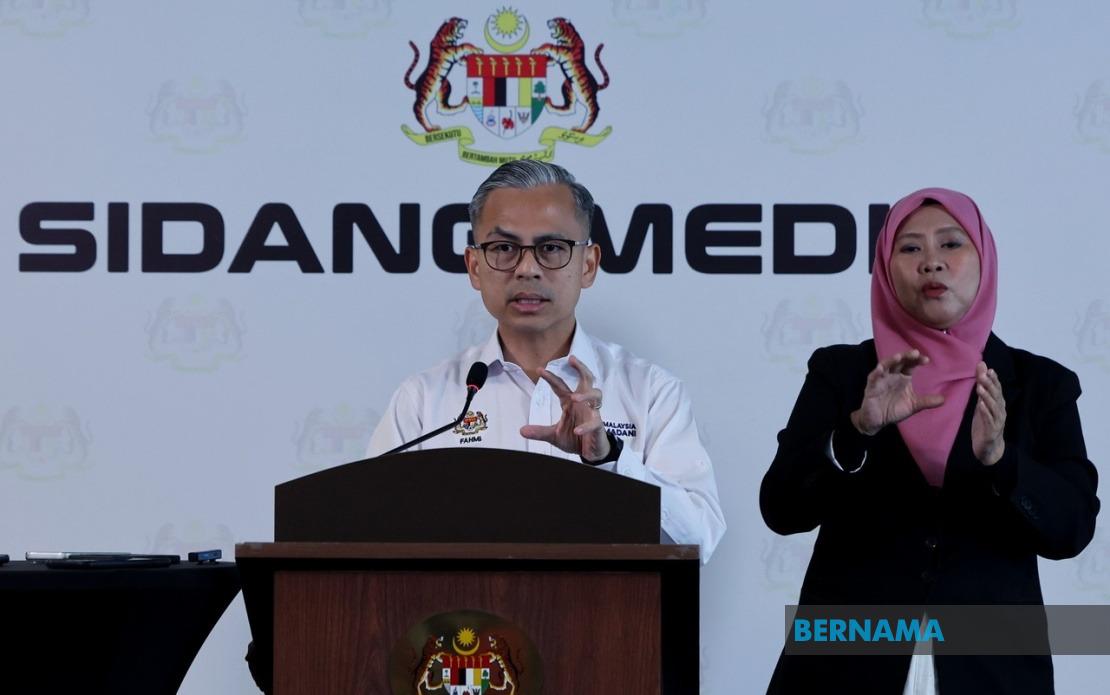
A significant parliamentary debate on the Tabung Haji scandal is set to take place this month, with between 35 and 40 Members of Parliament already indicating their willingness to participate in discussions about the damning Royal Commission of Inquiry report. Communications Minister Datuk Seri Fahmi Fadzil announced on Monday that the special Dewan Rakyat sitting will convene on August 11, with proceedings scheduled to run continuously from 10 am through the afternoon without scheduled breaks to allow for comprehensive examination of the report's findings.
The unusually robust parliamentary response reflects the severity of the issues raised in the RCI investigation, which scrutinised the management and operational decisions at Malaysia's pilgrimage savings fund between 2014 and 2020. Dewan Rakyat Speaker Tan Sri Johari Abdul has granted approval for the extended sitting format, signalling the government's commitment to addressing what has become one of the most contentious financial governance failures in recent Malaysian history. The decision to hold an uninterrupted session demonstrates recognition that the issues at Tabung Haji demand thorough parliamentary scrutiny and cannot be adequately addressed within standard sitting schedules.
Public access to the proceedings will be facilitated through live broadcasting on official media channels that typically cover Dewan Rakyat debates, ensuring transparency in how legislators respond to the commission's findings. This openness is significant given the public concern surrounding Tabung Haji, an institution that manages savings for Malaysian Muslim pilgrims and holds substantial assets derived from millions of contributors. The decision to make the debate publicly viewable underscores the government's intention to demonstrate accountability and allow citizens to assess how their representatives engage with questions of financial mismanagement at a major state institution.
The RCI report, which became publicly available through the Department of Islamic Development Malaysia's official portal on July 29, presents a troubling picture of institutional dysfunction. The commission identified numerous problematic investment decisions that collectively triggered severe erosion of Tabung Haji's asset value, raising questions about the competence and oversight mechanisms that should have prevented such deterioration. These were not isolated lapses but rather systematic failures that accumulated over years, suggesting institutional culture and governance structures failed to implement adequate safeguards.
Beyond the investment failures, the report uncovered evidence of suspicious transactions and deliberate concealment of information—matters that carry potentially criminal implications and suggest possible misconduct extending beyond mere poor judgement. The fact that such irregularities persisted across a six-year period points to inadequate internal audit functions, weak board oversight, or possibly complicity at senior management levels. These findings have naturally prompted calls for accountability and have made a parliamentary inquiry inevitable from a governance and reputational standpoint.
The recommendation for forensic auditing of the problematic investment decisions reflects the commission's assessment that standard accounting reviews would be insufficient to uncover the full extent of misconduct or determine whether individuals bore criminal responsibility. Forensic examination typically involves investigative techniques specifically designed to detect fraud, unauthorised transactions, and deliberate obfuscation of financial records. The issuance of this recommendation suggests the RCI found evidence serious enough to warrant law enforcement-style investigation, signalling that criminal referrals may follow.
For Malaysian investors and contributors to Tabung Haji, the debate carries immediate practical implications. The extent of asset deterioration directly affects the institution's ability to meet future pilgrimage financing obligations and may impact the returns or benefits that contributors expect to receive. Understanding how assets were mismanaged and what remedial steps are planned remains essential information for millions of Malaysians whose retirement and religious aspirations are intertwined with the fund's financial health. The parliamentary debate will provide the first comprehensive public accounting of how this institutional failure occurred and what corrective measures the government intends to implement.
The substantial parliamentary participation, with roughly one-fifth of the legislature indicating their intention to speak, suggests this issue has mobilised legislators across different political constituencies. Such engagement indicates that concerns about Tabung Haji transcend partisan divides and reflects genuine institutional anxiety about governance failures at major state-owned entities. The level of interest also suggests parliamentary colleagues recognise that failing to adequately investigate and discuss the matter risks further erosion of public trust in government institutions more broadly.
From a regional perspective, Malaysia's handling of the Tabung Haji scandal will be observed by investors and analysts monitoring corporate governance standards across Southeast Asia. How the government responds—whether through criminal prosecutions, institutional reforms, or merely administrative reshuffles—will send signals about the seriousness with which Malaysian authorities treat financial misconduct at major institutions. This becomes particularly relevant given that several Southeast Asian nations manage similar pilgrimage funds and face comparable governance challenges, making Malaysia's approach a potential benchmark for regional standards.
The August 11 sitting represents a critical juncture in the government's response to institutional failure. Beyond the immediate debate, the manner in which parliamentarians engage with the report's findings will demonstrate whether Malaysia's legislative institutions can effectively serve their oversight function when major governance failures occur. The decision to hold an extended session, combined with significant parliamentary participation, suggests the government is attempting to address the scandal comprehensively rather than minimise or compartmentalise the issue. How this debate unfolds and what legislative actions follow will determine whether parliamentary accountability mechanisms can restore public confidence in governance at state institutions.

