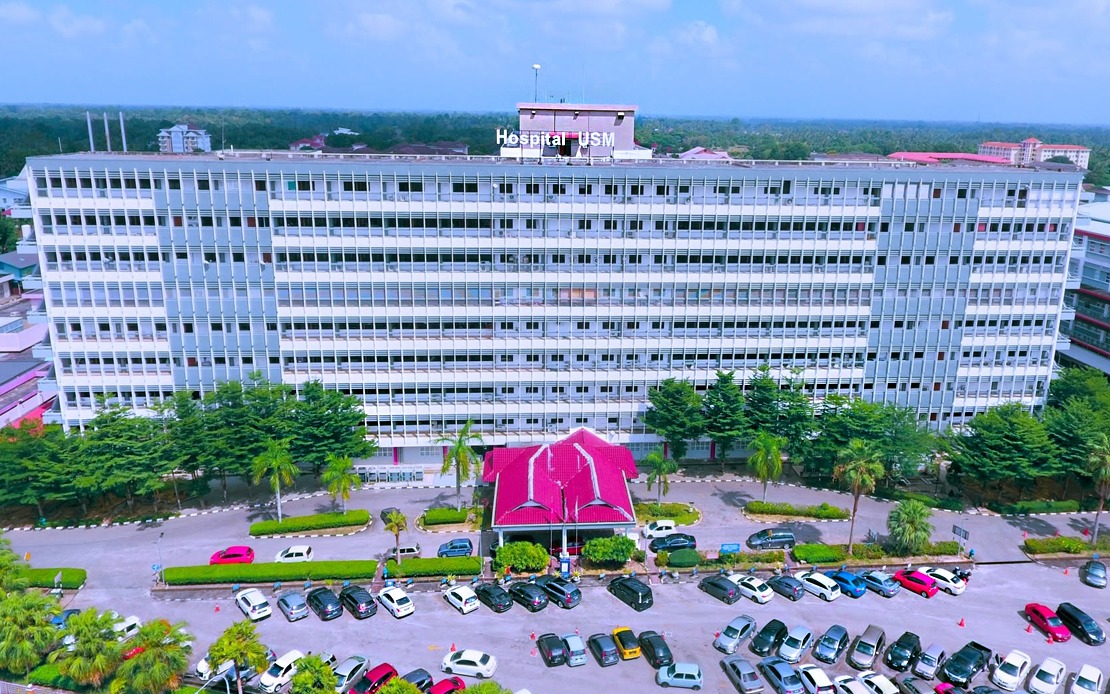
Twenty-three students between the ages of seven and 19 years will undergo corrective surgery for strabismus—a condition where the eyes fail to align properly—at Universiti Sains Malaysia Specialist Hospital (HPUSM) in Kota Bharu during an intensive five-day surgical campaign that concludes on August 20. This initiative marks a watershed moment in addressing one of Malaysia's more persistent healthcare bottlenecks: eye surgery waiting lists that have historically stretched from several months to several years, creating significant hardship for families seeking treatment.
The operation forms part of HPUSM's second Strabismus Surgery Carnival, a specially organised event that assembles leading ophthalmology consultants, specialist surgeons and postgraduate trainees to conduct rapid assessment and surgical intervention. According to Datuk Dr Ab Rahman Izani Ghani @ Ab Ghani, director of HPUSM, this concentrated approach enables the hospital to process multiple cases simultaneously while providing teaching opportunities for the next generation of ophthalmologists. The carnival model has proven effective in Singapore and other advanced healthcare systems, where surgical teams work in coordinated shifts to maximise operating theatre utilisation and patient throughput.
The identification of these 23 candidates stems from HPUSM's Short-sightedness and Strabismus Eye Intervention Programme, a proactive screening initiative that has systematically examined school children across Kelantan over three years. Through this programme, medical staff identified approximately 300 students with various eye disorders, with strabismus representing a significant proportion. The school-based screening approach reflects international best practice in paediatric ophthalmology, ensuring that vision problems are caught early when treatment outcomes are optimal and intervention can prevent developmental complications.
Strabismus is frequently misunderstood as purely a cosmetic concern, but Prof Dr Shatriah Ismail, a paediatric ophthalmology consultant at USM School of Medical Sciences, emphasises the condition's broader implications for child development. When eyes fail to focus together, the brain receives conflicting visual signals that can compromise depth perception, eye coordination and the development of binocular vision—critical functions during childhood years. Untreated strabismus often leads to amblyopia, commonly known as lazy eye, where one eye dominates and the other weakens, potentially causing permanent vision loss if intervention does not occur during the critical developmental window.
Beyond physiological concerns, strabismus exerts measurable psychological effects on affected children. The visible misalignment frequently becomes a focal point for peer scrutiny in school environments, undermining self-confidence and creating barriers to social integration. For adolescents already navigating the complexities of teenage years, the condition can intensify feelings of social isolation and anxiety. Adults with untreated childhood strabismus often report lingering self-consciousness about their appearance, highlighting how early surgical correction carries benefits extending well into adulthood.
Financial barriers have historically prevented many Kelantan families from accessing strabismus surgery, with costs typically ranging from several hundred to over a thousand ringgit per eye depending on surgical complexity. HPUSM has addressed this obstacle through partnerships with the Kelantan Islamic Religious and Malay Customs Council (MAIK) and multiple non-governmental organisations, which are jointly funding the entire surgical programme. This collaborative financing model demonstrates how public institutions, religious bodies and civil society can work synergistically to overcome resource constraints in healthcare delivery.
The waiting list crisis in Malaysian ophthalmology reflects broader systemic pressures within the public healthcare system. While emergency and urgent cases receive priority, non-emergency surgical conditions like strabismus—despite their developmental importance—accumulate in queues. Patients may wait eighteen months to two years for surgery, during which time children continue developing under compromised visual conditions. The carnival approach offers a practical solution to this structural problem, though scaling such initiatives requires sustained funding and specialist recruitment.
Kelantan's particular vulnerability to such healthcare gaps reflects its status as a lower-income state with limited private healthcare infrastructure. Families cannot readily bypass public hospitals through private practice alternatives. Furthermore, the state's significant rural population faces additional logistical barriers in accessing specialised care. A school-based screening programme followed by arranged surgery in a major teaching hospital represents an efficient model for addressing these geographical and socioeconomic disparities.
For Malaysia's broader healthcare strategy, this initiative underscores the value of preventive and early-intervention approaches, particularly in paediatric specialties. Identifying vision problems during school years, when children are concentrated in organised settings, enables efficient case-finding compared to waiting for families to seek help independently. Early intervention prevents downstream complications that would require more complex and expensive treatment, representing sound health economics alongside clinical benefit.
The participation of postgraduate ophthalmology trainees in the carnival serves a crucial educational function within Malaysia's specialist workforce development. Training programmes that combine clinical supervision with high-caseload surgical experience produce more confident and technically skilled surgeons than traditional apprenticeship approaches. HPUSM's role as an academic medical centre enables integration of service delivery with training, multiplying the social return on healthcare investment.
Successfully executing this surgical campaign depends on meticulous perioperative planning, including anaesthetic support, nursing coordination and postoperative follow-up protocols. HPUSM's decision to concentrate surgeries over five consecutive days requires careful resource management but also enhances efficiency through elimination of repeated setup procedures and optimised team familiarity. This operational lesson carries implications for other surgical specialties facing similar waiting list challenges.

