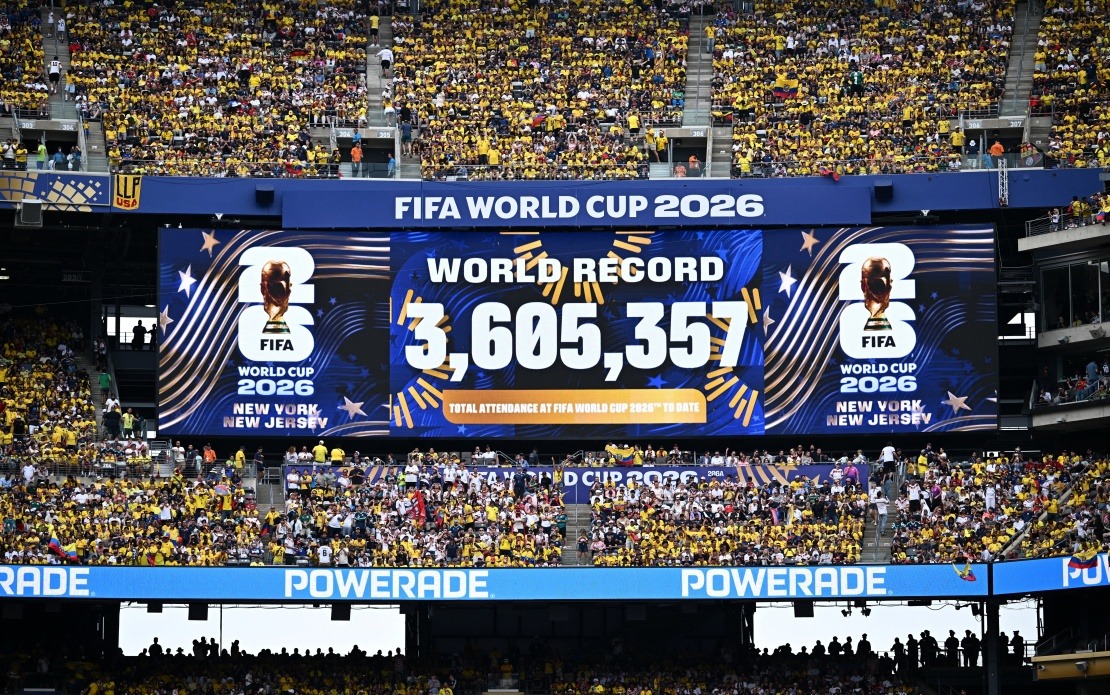
The 2026 FIFA World Cup has etched its name into sporting history by drawing a record-breaking 3.6 million fans, eclipsing the longstanding attendance mark set by the 1994 tournament in the United States. The milestone was announced Thursday during the Germany versus Ecuador fixture in East Rutherford, New Jersey, when FIFA confirmed the unprecedented figure on giant stadium screens to roaring applause from the assembled crowd. The announcement underscores the extraordinary appetite for global football across North America as the tournament continues to captivate audiences throughout its expanded format.
The previous benchmark, established 32 years earlier when the World Cup was held in the United States, had stood as the benchmark for fan engagement across the tournament's history. That 1994 edition featured a total of 52 matches spread across the competition. The breakthrough this year comes with profound significance given that the current tournament still has 48 matches remaining, meaning final attendance figures could potentially reach numbers that nearly double the previous record entirely. This projection offers a tantalising glimpse into the genuine hunger for live football among supporters across the host nations.
The scale of this achievement reflects the 2026 World Cup's expanded format, which represents a substantial departure from historical tournaments. The competition spans 16 host cities across multiple nations, creating unprecedented geographical reach and accessibility for fans throughout the region. This broader distribution of matches across diverse locations has clearly resonated with supporters, as evidenced by the uniformly high stadium occupancy rates witnessed throughout the tournament's progression so far.
Stadium utilisation figures paint a striking picture of the tournament's popularity among supporters. Across all venues hosting matches, stadiums have maintained an average occupancy rate exceeding 99 per cent, a figure that speaks volumes about the draw of modern football at its highest level. Such consistently full houses are rare in international sporting competition, suggesting not merely casual interest but genuine passion and commitment from fans willing to travel and purchase tickets at premium prices to witness their nations compete on the world's grandest stage.
The geographic distribution of matches across 16 separate host cities has proven strategically effective in distributing fan engagement and maximising attendance opportunities. This structure contrasts sharply with previous World Cups, which typically concentrated matches in fewer urban centres. By spreading fixtures across a wider area, tournament organisers have managed to generate local interest and support in regions that might otherwise have experienced lower engagement, thereby broadening the tournament's appeal beyond traditional football strongholds.
FIFA President Gianni Infantino has characterised the record-breaking attendance as a powerful affirmation of football's universal appeal and its distinctive capacity to unite people from vastly different backgrounds. According to Infantino, the scenes unfolding across all 16 host cities and their respective stadiums have been nothing short of exceptional, reflecting the joy and celebratory atmosphere that the tournament generates. This sentiment aligns with football's role as a cultural phenomenon that transcends national boundaries and socioeconomic divisions.
For Southeast Asian observers and sports enthusiasts, the 2026 World Cup's success offers important lessons about fan engagement and tournament organisation on a continental scale. Malaysia and neighbouring nations frequently host international sporting events, and the record-breaking attendance demonstrates the financial viability and public enthusiasm for large-scale tournaments. The 99 per cent stadium occupancy rate suggests that with proper marketing, accessibility, and scheduling, major sporting events can generate substantial revenue and social engagement across multiple host cities.
The distinction between this tournament and its 1994 predecessor extends beyond mere attendance numbers. The 1994 World Cup operated within a fundamentally different global context, with less developed digital infrastructure for ticketing and promotional reach. The current tournament has benefited from social media marketing, digital ticketing platforms, and real-time fan engagement tools that were unavailable three decades ago. These technological advantages have clearly contributed to the ability to attract and accommodate unprecedented numbers of supporters across multiple time zones and geographic regions.
The remaining 48 matches represent a substantial portion of the tournament's total fixture list, and the trajectory of attendance suggests that final numbers will considerably exceed even the optimistic projections made at the time of this announcement. Should stadiums maintain their current utilisation rates through the tournament's conclusion, the final attendance figure could potentially reach between 6 and 7 million spectators, transforming the 2026 World Cup into an unparalleled achievement in tournament attendance history and establishing a new benchmark that will be extraordinarily difficult for future tournaments to surpass.
The success of the 2026 World Cup in drawing record crowds carries implications for the commercial viability of future football tournaments and for the sport's continued expansion as a global entertainment phenomenon. Broadcasters, sponsors, and tourism boards in host nations have clearly benefited from the heightened interest and engagement, suggesting that the expanded format may become a model for subsequent World Cup editions. For countries considering hosting major international sporting events, these attendance figures demonstrate the substantial economic opportunity such tournaments present.

