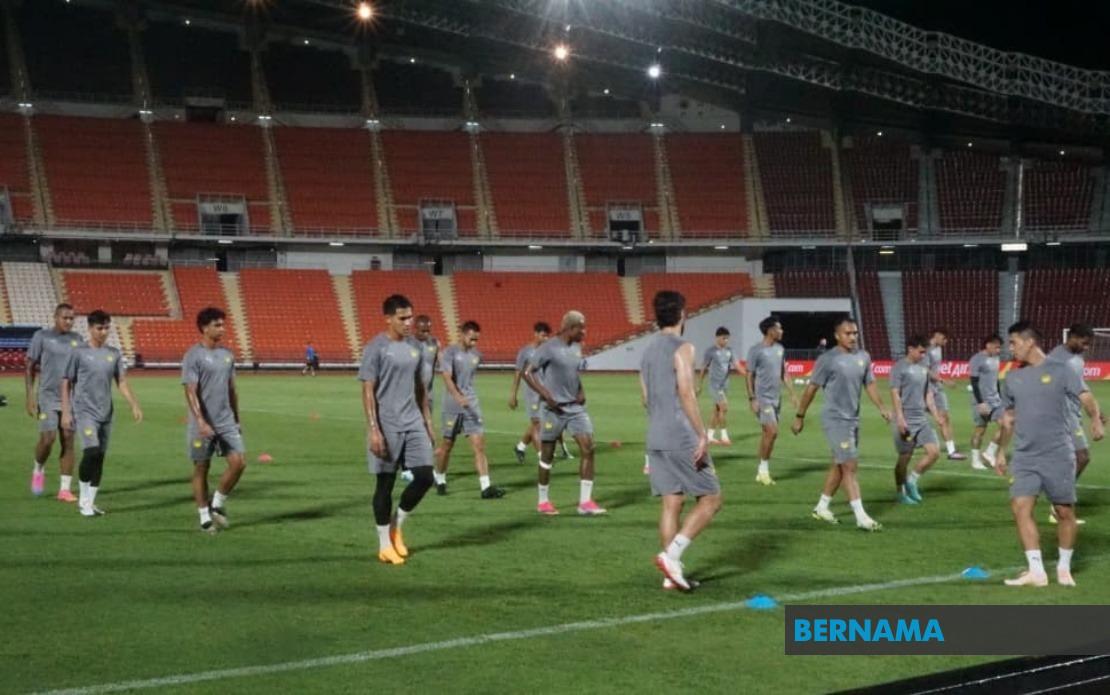
Malaysia enters the 2026 ASEAN FIFA Cup in Indonesia from September 24 to October 3 facing a defining moment for the nation's football programme. The inaugural tournament arrives at a critical juncture when Harimau Malaya must rebuild public confidence and demonstrate renewed commitment to restoring the sport's credibility in the country. For Malaysian football, which has endured significant reputational damage, the competition represents far more than a simple sporting engagement—it is a platform for institutional and national redemption.
The footballing crisis that preceded this tournament stems from a forged documentation scandal involving heritage players. Seven ineligible athletes—Facundo Garces, Rodrigo Holgado, Imanol Machuca, Joao Figueiredo, Gabriel Palmero, Jon Irazabal and Hector Hevel—were fielded in official matches. FIFA subsequently annulled results from three international friendlies against Cape Verde, Singapore and Palestine, awarding 3-0 victories to the opposing teams. The punishment extended beyond these matches, with broader implications for Malaysia's standing in international football.
The Asian Football Confederation escalated the sanctions by applying similar penalties to two Group F matches in the 2027 AFC Asian Cup Qualifiers where the ineligible players had featured against Vietnam and Nepal. These 3-0 defeats effectively eliminated Malaysia from qualifying for the 2027 AFC Asian Cup in Saudi Arabia and delivered a substantial blow to the nation's FIFA ranking. The cascade of failures demonstrated how a single institutional breach could undermine years of competitive progress and strategic planning within Malaysian football.
The institutional response involved decisive action from the Football Association of Malaysia, though not without cost. In January, all FAM Executive Committee members for the 2025-2029 term announced their collective and voluntary resignation. This unanimous departure was framed as acknowledging organisational responsibility while prioritising the integrity of the association over individual positions. The resignations signalled recognition that the heritage player crisis demanded comprehensive leadership change rather than superficial adjustments.
Observer Zakaria Rahim emphasised that restoration of public trust will require substantive performance, not symbolic gestures. He stressed that although supporters remain deeply disappointed with FAM's governance and leadership failures, they fundamentally desire success for Harimau Malaya. Victory over Indonesia, Malaysia's traditional regional rival, would carry particular symbolic weight in rebuilding the emotional connection between fans and the national team. Rahim framed the challenge not merely as winning matches but as recovering the national team's dignity through competitive excellence.
Malaysia's draw in Division 1 Group A alongside Indonesia, Singapore and India presents genuine difficulty. These opponents represent varied but substantial challenges—Indonesia is a regional powerhouse with larger player pools, Singapore has developed competitive football infrastructure despite its size, and India brings continental ambitions backed by growing investment. The group format demands consistent performance rather than relying on a single impressive result, intensifying pressure on players and coaching staff.
The timing of FAM's scheduled leadership election on September 17 creates a compressed institutional cycle. The new administration will assume office merely one week before the tournament commences, meaning the incoming leadership enters management responsibility during active competition. This simultaneity presents both opportunity and risk: new leadership can frame the tournament as the beginning of their stewardship, yet they operate without established operational systems or proven coordination mechanisms during a high-pressure international engagement.
Interim head coach Tan Cheng Hoe benefits from fortuitous timing regarding player assessment and selection. The commencement of the 2026/2027 Malaysia League season on August 21 provides a vital evaluation window. Cheng Hoe can observe players regaining match fitness and competitive sharpness within their domestic clubs, enabling more informed squad selection than would be possible during summer breaks when players lack recent match experience. This preparation phase, though compressed, offers substantially more information than previous team selections.
The tournament structure itself incentivises serious squad commitment. Winners of each group advance directly to the final competing for USD1 million (RM4.09 million) in prize money, representing significant financial returns for a Malaysian federation operating under budgetary constraints. The second-place teams contest a third-place playoff, meaning even group progression offers valuable competition. This prize structure encourages participating federations to field strongest available squads rather than developmental lineups.
Division 1 Group B comprises Vietnam, Pakistan, Thailand and the Philippines, creating a different competitive dynamic from Group A. Vietnam represents substantial AFC opposition, while Pakistan brings South Asian football credentials. Thailand and the Philippines remain relatively accessible opposition by comparative standards. The group composition across the two divisions suggests tournament organisers distributed strength reasonably evenly, preventing excessive clustering of elite teams.
For Malaysian football stakeholders, the 2026 ASEAN FIFA Cup represents a controlled environment for institutional and competitive rehabilitation. The tournament occurs before more demanding continental competitions and provides measurable feedback on whether organisational reforms and personnel changes translate into improved performance. A successful campaign would validate the FAM restructuring narrative and provide psychological momentum heading into subsequent qualifying campaigns.
The broader regional context matters significantly for Malaysian participation. Southeast Asian football has experienced recent elevation through investment and profile-raising initiatives across multiple nations. Malaysia's performance in this tournament will influence perceptions of the nation's footballing trajectory within ASEAN and internationally. Strong results would signal that institutional reforms address underlying problems, while disappointing outcomes might suggest deeper structural issues persist despite leadership changes.
Fundamentally, the 2026 ASEAN FIFA Cup represents Malaysia's immediate opportunity to demonstrate that the heritage player scandal, while damaging, does not define the nation's football programme permanently. The responsibility extends beyond players and interim coaching staff to encompass FAM's incoming leadership, which must provide credible direction, transparent governance and sustained commitment to competitive football development. This tournament functions simultaneously as competition, institutional test, and referendum on Malaysian football's capacity for genuine renewal.

