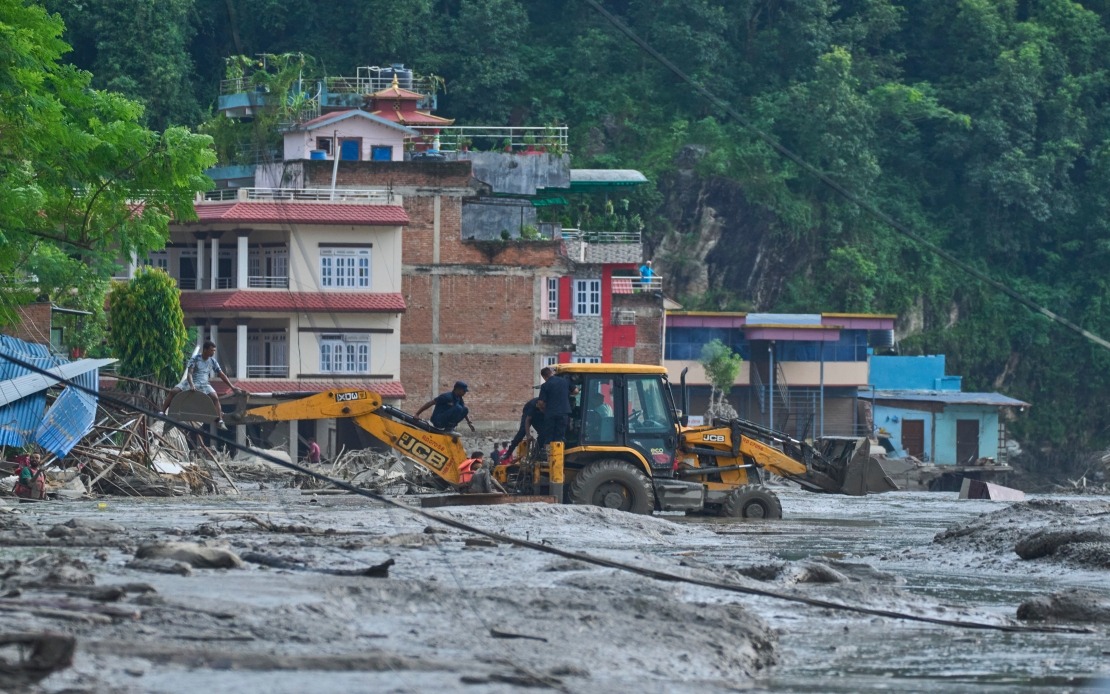
A devastating flash flood in Nepal's Rasuwa district has left 17 Malaysians among several hundred foreign nationals unaccounted for, prompting urgent coordination between Malaysia's Foreign Ministry and the Nepalese government. The incident occurred on Wednesday morning when torrential waters overwhelmed the remote mountainous region, cutting off communications and trapping multiple tour groups in the affected areas.
According to Nepal's tourism board, the 17 missing Malaysians were part of tour groups coordinated through Fishtail Tours and Travels, a travel agency handling itineraries in the high-risk region. The broader scope of the disaster is reflected in the staggering numbers: at least 291 foreign nationals and 93 Nepalese citizens remain out of contact. Police forces and tour operators have mobilized to systematically search for and establish contact with those stranded, though difficult terrain and ongoing weather challenges are hampering efforts.
Malaysia's Foreign Ministry initially reported 11 nationals in Rasuwa district had lost communications following the deluge, though the higher figure from Nepal's tourism board suggests additional Malaysian tourists may have been affected. The embassy in Kathmandu has been designated as the primary coordination point with Nepalese authorities, serving as the critical link for gathering intelligence, relaying information to families in Malaysia, and facilitating evacuation once victims are located.
The Bhote Koshi river, swollen by unprecedented rainfall, breached its banks with catastrophic force, obliterating entire settlements and destroying critical infrastructure across the Rasuwagadhi-Timure corridor. The flood's devastating path swept away residential areas, severed vital road networks, demolished structures, and caused substantial damage to multiple hydropower installations that supply electricity to the region. The scale of destruction has created a humanitarian crisis complicated by geographical isolation and communication blackouts.
The international dimension of this disaster reflects the popularity of Nepal as a trekking and adventure tourism destination. Indian nationals comprise the largest group of missing foreigners at 142, including 37 living abroad who were on holiday. Citizens from Britain, South Africa, and the United States are also unaccounted for, underscoring how tour groups from multiple nations converged in the region during the peak summer season.
For Malaysian families with relatives on tour in Nepal, the situation represents an agonizing period of uncertainty. The Foreign Ministry's commitment to active coordination with Nepalese counterparts provides some assurance, yet the fundamental challenge remains: locating people in a mountainous region where infrastructure has been destroyed and communications systems are non-functional. The embassy is likely fielding numerous inquiries and working to compile accurate lists of Malaysian citizens affected.
Rescue operations face significant logistical hurdles typical of disaster response in Nepal's challenging topography. Helicopter access is weather-dependent, ground teams must navigate destroyed roads and unstable terrain, and survivors may be scattered across difficult-to-reach valleys. The Nepalese government's deployment of search and rescue teams reflects the urgency and scale of the operation, though resource constraints in a developing nation can slow response efforts.
This incident carries sobering implications for Malaysian tourism to the region. Nepal's trekking and adventure tourism industry relies heavily on foreign visitors, and safety concerns following such disasters typically trigger reviews of tour operator standards, insurance coverage, and emergency protocols. Travel agencies like Fishtail Tours will face scrutiny regarding weather forecasting, group movement decisions, and contingency planning.
The human toll extends beyond the immediate missing persons to include families in Malaysia desperately awaiting news. Social media is likely hosting urgent coordination efforts as relatives seek information, share photographs, and appeal for assistance. The Malaysian diaspora in Nepal and neighboring regions may also contribute informal search efforts and provide shelter to those who manage to reach safety.
International cooperation will prove essential as rescue operations continue. Different nations will coordinate through diplomatic channels to share information about their missing citizens, pool resources, and ensure consistent messaging. Nepal's tourism board and government agencies will face pressure to improve warning systems and evacuation procedures for future events.
The immediate priority remains locating the 17 Malaysians and confirming their status. Once communications are restored or survivors located, attention will shift to medical assessment, evacuation to safer areas, and eventually repatriation. The Foreign Ministry's proactive stance suggests Malaysia is treating this with appropriate seriousness, deploying whatever diplomatic leverage and resources available to support affected nationals and their families during this crisis.

