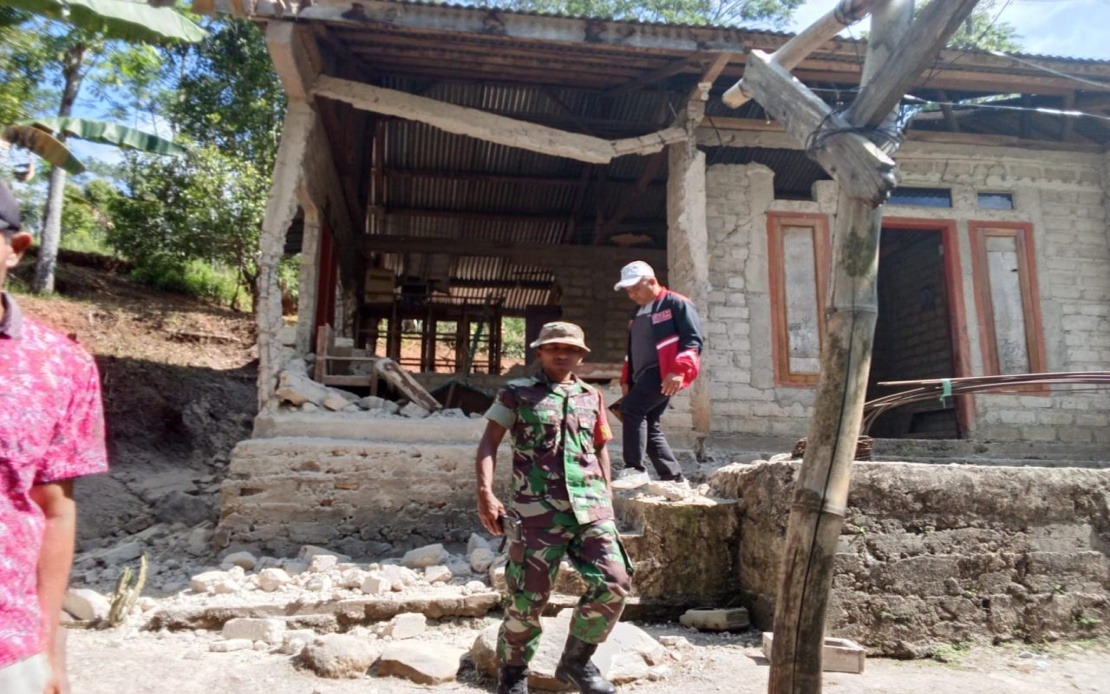
Malaysia's Foreign Ministry has confirmed the safety of 16 tourists from the country who were present in the disaster zone after a powerful 7.7-magnitude earthquake struck Flores Island in Indonesia's East Nusa Tenggara province on Saturday. The tremor, which occurred at 4.58 am local time northeast of Mbay in Nagekeo Regency, prompted immediate concern from authorities in Kuala Lumpur, who moved quickly to verify the well-being of Malaysian nationals in the affected regions.
The Malaysian Embassy in Jakarta successfully established contact with the group of tourists shortly after the earthquake, determining that all members were unharmed and in good health. In a media advisory released on Saturday, Malaysia's Foreign Ministry stated there had been no confirmed reports of Malaysian casualties or injuries resulting from the seismic event. This swift confirmation provided reassurance to families back home and underscored the embassy's capacity to respond effectively to emergencies affecting citizens abroad.
The quake represents the kind of natural disaster that poses particular challenges for Southeast Asian nations, whose tourist industries depend on rapid, transparent communication about safety in affected areas. Indonesia lies along the Pacific Ring of Fire, one of the world's most seismically active regions, making earthquakes a recurring hazard for both residents and visitors. The speed with which Malaysia's diplomatic mission gathered and disseminated information about its nationals demonstrates the importance of coordinated emergency protocols in the region.
East Nusa Tenggara has become an increasingly popular destination for Malaysian tourists in recent years, drawn by its pristine beaches, diverse marine ecosystems, and cultural heritage. The area's attractions, combined with relatively affordable travel costs from Malaysia, have made it a favoured choice for both leisure and adventure tourism. However, the region's location along major fault lines means visitors face inherent geological risks that require ongoing awareness and preparedness.
The Malaysian Foreign Ministry indicated that its embassy is engaged in continuous coordination with Indonesian local authorities to maintain oversight of the safety situation across all affected areas. This collaborative approach reflects the deeper ties between Malaysia and Indonesia, encompassing defence, trade, and people-to-people connections that make bilateral emergency cooperation essential. The willingness of both countries to share information and coordinate responses demonstrates diplomatic goodwill during crisis situations.
Foreign Ministry officials advised all Malaysians currently residing in or planning to travel to the affected regions to exercise heightened vigilance and comply strictly with guidance issued by local authorities. Such advisories typically recommend avoiding unnecessary movement, staying informed through official channels, and maintaining communication with family members. For tourists, this means remaining aware of their surroundings and following directions from hotel staff and local emergency services.
The ministry has emphasized the importance of Malaysian citizens registering their travel details through the e-Konsular portal, an online platform designed to enhance consular support capabilities. By maintaining accurate contact information, the Malaysian government can rapidly reach its citizens during emergencies and provide targeted assistance when needed. This digital system has proven particularly valuable in large-scale incidents affecting multiple nationals across dispersed locations.
Malaysians requiring immediate assistance or facing emergencies in Indonesia can contact the Malaysian Embassy in Jakarta through its dedicated emergency helpline at +6281380813036 or via email at [email protected]. These direct communication channels ensure that citizens in distress can reach diplomatic personnel who can facilitate evacuation, medical assistance, or consular documentation support. The provision of multiple contact methods reflects understanding that individuals may be in situations where only certain forms of communication remain accessible.
The earthquake incident highlights ongoing vulnerabilities in the region's tourism infrastructure and the need for enhanced disaster preparedness measures. While the immediate situation resolved without casualties among Malaysian tourists, the event serves as a reminder that natural hazards remain ever-present in Southeast Asia. Both Malaysia and Indonesia have invested in improving early warning systems and emergency response protocols, yet the inherent unpredictability of seismic activity demands continuous investment in these safety measures.
For Malaysian travellers, the incident underscores the importance of comprehensive travel insurance, awareness of local emergency procedures, and maintaining regular contact with family during overseas visits. Tourist operators and hotels in popular destinations increasingly incorporate earthquake safety briefings into their check-in procedures, helping visitors understand emergency protocols specific to their accommodation. This growing emphasis on disaster preparedness reflects lessons learned from previous major seismic events that affected the region.
The Foreign Ministry's swift response and public communication about the situation reflects its commitment to ensuring Malaysian citizens abroad receive protection and support befitting their status. As Malaysia's tourism industry continues to expand and more citizens travel to Indonesia and other regional destinations, the capacity of diplomatic missions to respond effectively to emergencies becomes ever more critical. The coordination demonstrated in this incident provides a model for handling future incidents affecting Malaysian nationals across Southeast Asia.

