Sixteen retired personnel from the Malaysian Armed Forces will assume full-time warden positions across eight MARA Junior Science Colleges beginning July 1, expanding an initiative that aims to reinforce institutional discipline and reduce incidents of student misconduct. The appointments represent a substantial step forward in addressing longstanding concerns about the pastoral care environment within Malaysia's elite residential secondary schools, which have periodically drawn public scrutiny over safety and welfare management.
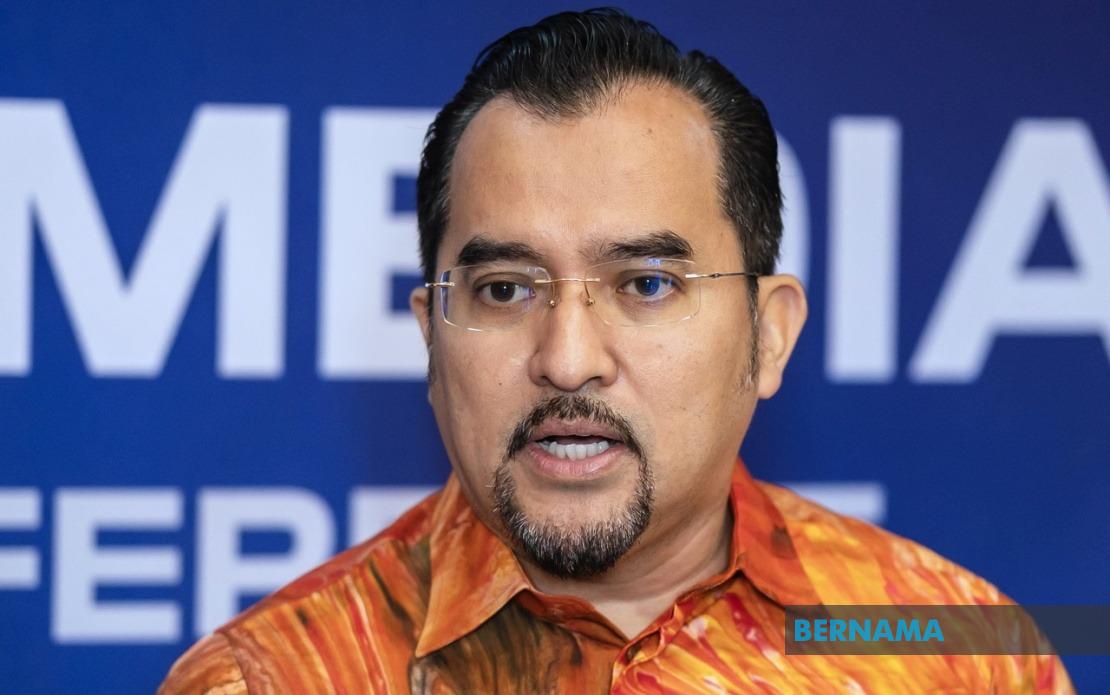
Mara Chairman Datuk Dr Asyraf Wajdi Dusuki outlined the strategic rationale for recruiting military veterans, emphasising their potential to establish structured frameworks and behavioural standards within college hostels. The selection of former armed forces personnel reflects a deliberate strategy to leverage their professional backgrounds in discipline and duty, attributes regarded as essential for managing the complex social dynamics of large residential communities housing adolescent students from across the country.
This latest recruitment push follows a pilot programme that commenced in October at MRSM Besut and MRSM Balik Pulau, where initial findings apparently demonstrated sufficient success to justify broader deployment. The current phase will see thirty-two wardens distributed across the eight institutions—comprising two male and two female wardens at each location. The appointment of the first sixteen male candidates represents only the opening wave of implementation, with female recruitment proceeding through a parallel process.
The female warden recruitment cycle has attracted considerably more applicant interest, with one hundred sixty-two women submitting applications for consideration. An online assessment screening was conducted on June 25, followed by in-person interviews scheduled for July 2. This staggered approach to male and female appointments suggests that the full complement of wardens across the eight institutions may not be in place simultaneously, a phased implementation strategy that could permit initial performance evaluation before completing the roster.
The selection process demonstrates substantial institutional rigour, involving coordination between multiple government bodies and private sector partners. Glokal Link Sdn Bhd, a MARA subsidiary, has taken the lead role, working alongside the MARA Secondary Education Division, the Veterans Affairs Department, TalentCorp, and the Malaysian Armed Forces Psychology and Counselling Section. This multi-agency approach reflects the sensitivity surrounding appointments in positions of student responsibility, particularly following heightened national focus on safeguarding issues within educational institutions.
Candidates have navigated a multi-layered screening framework extending well beyond conventional interview processes. Physical interviews held on June 15 and 16 examined one hundred forty-seven candidates, including one hundred thirty-nine men who had successfully cleared preliminary assessments. Before reaching the interview stage, applicants underwent initial screening administered by the Veterans Affairs Department and TalentCorp, with eligibility restricted to recognised ATM veterans who completed service honourably and had not faced discharge for misconduct, serious disciplinary violations, or legal infractions that would compromise their veteran status.
The comprehensive vetting procedures underscore institutional determination to eliminate risk factors that might jeopardise student safety. Beyond psychological profiling using standardised instruments such as MyNext OCEAN and RIASEC assessments, candidates face military psychological evaluations, mental health screening, and fitness testing via the bleep protocol. Panel interviews drawing from multiple agencies provide additional scrutiny, while shortlisted candidates advance to final assessment involving Malaysian Armed Forces psychologists and counsellors. These final evaluations specifically examine child protection knowledge, sexual misconduct risk factors, impulse control capabilities, appropriate professional boundaries, and overall suitability for hostel environments.
Criminal record verification conducted by the Royal Malaysia Police and screening against the child sexual offenders registry represent non-negotiable components of the appointment pathway. Datuk Dr Asyraf Wajdi emphasised that no offer letters will be issued until all critical screening phases achieve completion, establishing a threshold that genuinely qualified candidates with clean records, demonstrated integrity, and established suitability must satisfy before receiving positions.
The expansion trajectory indicates substantial institutional investment in this model. While the current phase targets eight institutions, the programme is scheduled for staged rollout across all fifty-eight MRSMs within Malaysia's residential college network, with the third implementation phase commencing on January 1, 2027. This gradual approach permits organisations to address capacity constraints, manage training requirements, and evaluate effectiveness metrics before committing to system-wide deployment.
For Malaysian parents and stakeholders, the appointment of former military personnel carrying stringent security clearances represents a meaningful response to persistent concerns about residential college governance. The emphasis on psychological compatibility alongside disciplinary background reflects contemporary understanding that safeguarding adolescents requires more than rule enforcement—it demands individuals possessing emotional intelligence, appropriate interpersonal boundaries, and genuine commitment to student welfare. The comprehensive screening architecture, while potentially lengthening recruitment timelines, signals that MARA is prioritising protective standards over expedient staffing solutions.
The initiative holds implications extending beyond individual institutions. As Malaysia grapples with broader questions about residential education quality and student protection frameworks, the MRSM veteran warden programme may establish precedent for how government-funded educational bodies approach pastoral staffing decisions. Success in this initiative could influence similar recruitment strategies across other residential secondary schools and tertiary institutions throughout Southeast Asia, where comparable safeguarding challenges exist but systematic solutions remain underdeveloped. The outcomes will merit close monitoring, particularly regarding whether veteran wardens effectively translate military discipline into supportive educational environments that simultaneously uphold behavioural standards and promote student wellbeing.

