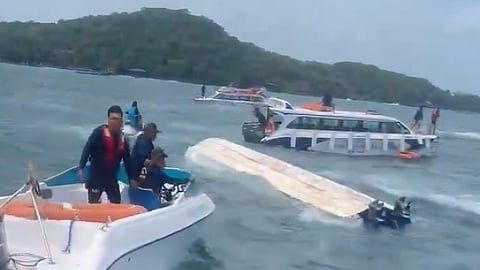
A tragic maritime accident unfolded in southern Vietnam on Saturday when a speedboat ferrying Indian tourists overturned near Hon May Rut Ngoai Island, claiming 15 lives. The vessel, which was returning from an island excursion, went down approximately 400 metres from the island, located close to Phu Quoc, Vietnam's premier island destination. The incident has once again highlighted safety concerns in the region's tourism sector, an industry that draws millions of international visitors annually to Southeast Asian beaches and offshore attractions.
The ill-fated boat was transporting 32 Indian tourists alongside four crew members when disaster struck. Rescue operations commenced immediately, with eyewitnesses describing how nearby commercial and private vessels quickly altered course to assist, with crews pulling survivors from the water before official rescue authorities arrived on scene. Vietnamese border guards, naval personnel, coast guard units, and other state emergency services subsequently mobilised to manage the crisis. According to local reporting, the rescue operation proved exceptionally challenging because numerous passengers became trapped within the vessel's hull as it sank, complicating efforts to locate and extract them from the water.
Final casualty figures showed that 21 of the 36 people aboard were successfully rescued, while all 15 victims were recovered from the sea. The survivors received medical treatment at nearby hospitals, with authorities providing limited immediate updates on their conditions or the severity of injuries sustained. The swift response from bystanders almost certainly prevented additional fatalities, underscoring the crucial role that maritime awareness and emergency protocols play in tourist-heavy waters.
Phu Quoc represents a crown jewel within Vietnam's tourism infrastructure, consistently ranking among the nation's most visited beach destinations and serving as a primary draw for both regional and international holidaymakers. Situated within the Gulf of Thailand, the island attracts millions of visitors annually seeking its renowned white-sand beaches and pristine turquoise waters. Hon May Rut Island, positioned approximately 10 kilometres south of Phu Quoc's main landmass, forms part of an archipelago that specialises in day-trip excursions and island-hopping experiences marketed extensively to tour operators throughout Asia. The area's popularity has made it a lucrative tourism hub for Vietnamese authorities and local businesses, yet the accident raises uncomfortable questions about safety standards and vessel maintenance protocols in the sector.
The incident carries particular significance for Southeast Asian tourism operators and regional tourism authorities, as it demonstrates vulnerabilities within an industry that remains critical to economic development across the region. Vietnam has aggressively expanded its tourism offerings in recent years, particularly around premium island destinations like Phu Quoc, often prioritising rapid capacity expansion over rigorous safety infrastructure improvements. For Malaysian travellers and tour operators, the incident provides a cautionary reminder about the importance of selecting reputable tour providers with documented safety records and modern vessel standards, particularly when selecting activities involving maritime transport in foreign destinations.
Indian tourists represent a substantial and growing market segment for Southeast Asian beach resorts and island tours, reflecting India's expanding middle class and increasing international travel consumption. This particular incident, therefore, carries potential ramifications for India-Vietnam tourism relationships and may prompt Indian travel agencies and tour operators to reassess partnerships and safety protocols with Vietnamese tourism providers. The tragedy may also influence traveller behaviour, with some Indian tourists potentially diversifying their Southeast Asian holiday destinations towards alternatives perceived as offering superior safety standards.
Investigations into the capsizing's underlying cause remained ongoing at the time of initial reporting, with authorities declining to immediately specify whether mechanical failure, adverse weather conditions, overcrowding, or operator error precipitated the disaster. Such preliminary uncertainty is typical of major maritime incidents, where forensic examination of the vessel, weather records, passenger manifests, crew qualifications, and operational procedures must be methodically compiled before definitive conclusions can be drawn. The investigation's findings will likely carry consequences for Vietnamese maritime safety regulations and may trigger enhanced oversight of tourist vessel operations throughout the region.
The accident reflects broader patterns within Southeast Asian tourism development, where rapid expansion of visitor numbers and coastal attractions sometimes outpaces corresponding investment in safety infrastructure, training standards, and regulatory enforcement. Vietnam's push to consolidate Phu Quoc as a world-class beach destination—including casino development and resort expansion—has intensified pressure on local maritime operators to accommodate growing passenger volumes. This growth imperative can create tensions with safety considerations, a dynamic that countries throughout Southeast Asia continue grappling with as they balance economic opportunity against traveller protection.
For regional tourists and expatriates, the incident underscores the importance of exercising diligence when selecting water-based activities across Southeast Asia. Reputable tour operators typically maintain transparent safety certifications, conduct regular vessel inspections, and employ trained crew members with verified credentials. Insurance coverage and emergency response protocols represent additional factors discriminating between premium operators and budget alternatives. Malaysian authorities may also review safety protocols affecting Malaysian nationals travelling to Vietnamese island destinations, potentially issuing updated travel advisories or guidance to citizens.
The recovery of all 15 victims and the successful rescue of 21 survivors demonstrated that despite initial chaos and challenging conditions, emergency response capabilities in the region functioned adequately during the critical early hours. However, the fundamental question remains whether sufficient preventive measures existed prior to the capsizing. Enhanced maritime safety standards, stricter vessel maintenance requirements, crew training certifications, and passenger capacity regulations could collectively reduce the probability of similar tragedies affecting future tourists throughout Southeast Asia's increasingly crowded tourism sector. The incident will likely generate discussions among regional tourism ministries and maritime authorities regarding harmonised safety standards and mutual oversight mechanisms.

