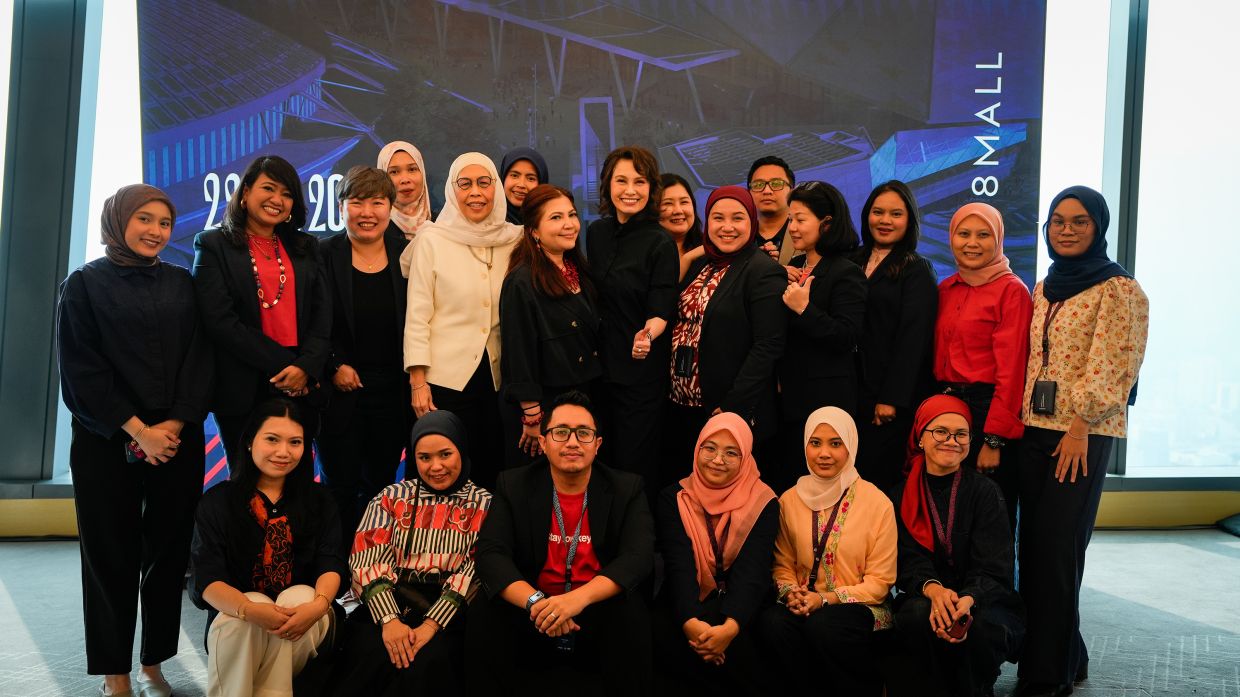
118 Mall has assembled more than 200 retail partners for its inaugural gathering, signalling an intensive phase of preparation as the shopping destination prepares to open its doors in November 2026. The event, hosted at Park Hyatt Kuala Lumpur, brought together merchants spanning fashion, dining, lifestyle and services sectors to discuss their roles within the broader Merdeka 118 ecosystem. The early engagement demonstrates developer PNB Merdeka Ventures' strategy of building operational consensus among tenants well before launch, ensuring coordinated marketing and merchandising approaches across the property.
The seven-storey 118 Mall occupies a strategic position adjacent to Merdeka 118, Malaysia's third-tallest building, within an integrated mixed-use precinct that also encompasses hotel, office and heritage attractions. This positioning distinguishes the property from conventional suburban shopping centres, as it benefits from multiple customer streams including hotel guests, office workers, tourists visiting the landmark tower, and local neighbourhood demand. The convergence of these visitor segments creates what management describes as a "dynamic mix of footfall," a claim that carries significance for retailers evaluating their rent-to-sales forecasts and inventory decisions for the opening year.
PNB Merdeka Ventures Chief Executive Datuk Ir. Ts. Izwan Ibrahim framed the mall not as a standalone retail asset but as a component within a larger urban destination. This framing reflects a broader global shift away from pure shopping malls towards experiential mixed-use precincts that justify rental rates through consistent visitor traffic. For Malaysian retailers accustomed to traditional mall formulas, this integrated approach may represent both opportunity and risk, as success hinges on the performance of the entire precinct rather than the mall alone. The hotel component, luxury office spaces, and heritage attractions must all deliver their projected visitor numbers for the 22 million annual footfall target to materialise.
The tenant roster announced at the forum reveals a deliberate strategy to balance international premium brands with local and mid-market players. Anchoring brands including adidas, ALDO, Converse, Foot Locker, Guess and Lacoste establish luxury credentials, while names such as Village Grocer, Makanism Foodhall and Best Denki cater to everyday shopping needs. Significantly, the inclusion of the Malaysian Artisan District—a dedicated zone for local designers and producers—signals an attempt to differentiate 118 Mall from competing properties in Kuala Lumpur's saturated retail market. This strategy appeals to both international tourists seeking authentic Malaysian products and domestic consumers prioritising home-grown labels.
118 Mall's head of retail, Sue Wang, articulated an optimistic first-year visitor projection of 22 million people, a figure that warrants scrutiny given Malaysia's retail market dynamics. For context, this implies approximately 60,000 daily visitors, a threshold achieved only by Kuala Lumpur's most established malls supplemented by substantial tourist traffic. The Merdeka 118 tower itself, when operational, could deliver sustained corporate and tourist footfall, but the assumption requires the hotel component to reach near-full occupancy and office tenancies to attract premium international firms. Such assumptions carry execution risk, particularly given broader economic uncertainties affecting both corporate relocations and tourism patterns in the region.
Retailers were briefed on marketing infrastructure designed to amplify their individual brands within the broader property narrative. Digital displays throughout the mall and designated event spaces provide platforms for brand activations and promotional campaigns, moving beyond passive rent-collection models towards active retailer support. This collaborative approach aligns with modern mall management philosophy, where operators recognise that tenant success directly influences their own revenue through percentage rentals and lease renewals. For Malaysian retailers, particularly mid-market brands, access to such marketing channels could provide exposure previously available only in major regional centres.
The timing of this inaugural forum, nearly four years before opening, reflects the capital intensity and operational complexity of megaprojects in Kuala Lumpur's developing skyline. Developer confidence appears robust, evidenced by commitment from 200-plus retailers despite construction still underway. This confidence likely stems from the scarcity of major new retail assets in central Kuala Lumpur and the difficulty competitors face in assembling comparable mixed-use precincts. However, retail expansion cycles are lengthy, and circumstances may shift between now and November 2026—consumer behaviour patterns, e-commerce adoption, and regional economic conditions all carry potential to reshape expectations.
From a Malaysian market perspective, 118 Mall represents a significant test of the mixed-use precinct model in Southeast Asia. Successful execution could influence future development patterns in Kuala Lumpur and regionally, encouraging similar integrated developments that blur boundaries between retail, hospitality and office space. Conversely, underperformance relative to projections would reinforce scepticism about such large-scale urban retail assets in an era of shifting consumption habits. The property thus carries importance beyond its immediate commercial implications, serving as a bellwether for urban retail viability in Malaysia.
The forum also underscores the importance of retailer buy-in for major properties, particularly in Malaysia where informal networks and relationship-based business practices remain influential. Assembling 200+ merchants behind a shared vision requires not merely attractive lease terms but confidence in the developer's execution capability and the precinct's long-term positioning. PNB Merdeka Ventures appears to have achieved this consensus, though retailers will expect consistent delivery on promised traffic-generation initiatives, infrastructure quality and marketing support through opening and beyond. The real test of this partnership lies not in the pre-launch enthusiasm but in post-opening performance against the ambitious 22 million visitor target.

