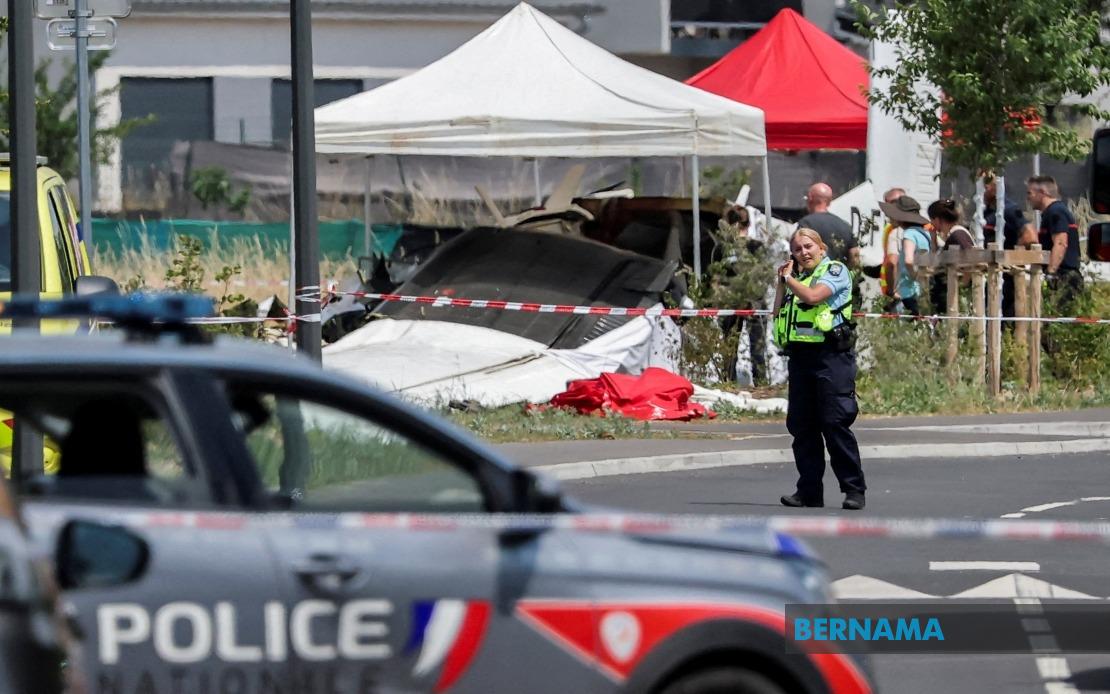
A civilian aircraft carrying skydivers and nursing professionals plunged to the ground near Nancy in eastern France on Sunday, resulting in the deaths of all 11 people aboard. The tragedy occurred in the town of Tomblaine, located in the Meurthe-et-Moselle department, mere minutes after the plane departed from Nancy-Essey Airport, marking one of the region's deadliest aviation incidents in recent memory.
The aircraft, which had been engaged in a recreational skydiving operation, carried two distinct groups of passengers whose presence on the flight points to a coordinated community event. Among those who perished were the pilot, two sets of five parachutists, and independent nursing professionals who were participating in what organisers had billed as an initiation gathering. The dual purpose of the flight suggests this was likely a bonding or team-building exercise that combined professional training with recreational activities, a not uncommon arrangement in European aviation circles.
Thierry Pechey, who leads the Meurthe-et-Moselle branch of the Order of Independent Nurses, provided insights into the nature of the assembled group. He indicated to media outlets that the deceased nurses were likely participating in an initiation event alongside experienced skydiving instructors. This revelation underscores the often-social dimension of extreme sports activities in European countries, where professional associations frequently organise group outings to strengthen bonds among members and introduce newcomers to their peers.
The immediate response from French authorities was swift and comprehensive. Interior Minister Laurent Nunez announced his intention to visit the crash site personally on the same day, signalling the government's treatment of the incident as a matter of national concern. Simultaneously, Meurthe-et-Moselle Prefect Yves Seguy mobilised the departmental operational centre, establishing a coordinated command structure to manage emergency services and oversee the response operation in real time. This layered approach to crisis management reflects established French protocols for aviation disasters.
Local law enforcement took active steps to preserve the integrity of the crash site and ensure the safety of emergency personnel. Police cordoned off the area surrounding Rue Salvador Allende in Tomblaine and appealed to residents and onlookers to maintain distance from the immediate vicinity. These measures were designed to grant unfettered access to rescue workers, investigators, and forensic teams who would need to secure the area and begin preliminary examinations.
The Nancy-Essey Airport, from which the doomed flight originated, will likely face intense scrutiny in the coming weeks. French aviation authorities will examine pre-flight inspections, weather conditions at the time of departure, maintenance records, and communications between the pilot and air traffic control. Such crashes occurring so soon after takeoff often warrant investigation into whether structural issues, mechanical failures, weather conditions, or human error contributed to the disaster.
For Malaysia and Southeast Asian readers, this incident carries relevance on several fronts. Regional aviation authorities frequently review foreign accident investigations to identify potential safety improvements applicable to their own fleets and operations. The crash also underscores the inherent risks associated with recreational aviation activities, a growing sector across developed nations that occasionally extends to Southeast Asian tourist destinations where skydiving operations have expanded considerably.
The professional composition of those aboard—nurses and skydiving instructors—highlights the integration of extreme sports into workplace culture across Europe. Southeast Asian corporations increasingly emulate Western practices in organising team-building exercises, some of which involve adventure activities. This incident serves as a sobering reminder of the importance of comprehensive safety protocols and insurance coverage when organisations arrange high-risk recreational activities for their members.
The investigation that will follow this crash will be conducted under French aviation safety protocols, likely involving the Bureau of Investigation and Analysis for Civil Aviation Safety. International aviation bodies will monitor the findings, as lessons learned from major accidents are typically disseminated throughout the global aviation community to prevent recurrence of similar failures. Reports from such investigations, when published months later, often influence how regulatory bodies worldwide approach certification and operational requirements for small aircraft operators.
As details emerge regarding the specific circumstances that led to this tragedy, families and colleagues of the victims will be processing their grief. The nursing profession, already facing significant stress within European healthcare systems, lost multiple members in an instant. The skydiving community, generally proud of its safety record despite the inherent risks of the sport, will confront renewed questions about the wisdom of combining recreational activities with occupational group outings.
The crash near Nancy serves as a poignant reminder that even routine, well-established operations—in this case, a recreational skydiving flight—carry inherent risks that require constant vigilance and adherence to safety protocols. For aviation authorities, pilot training programmes, and operators across the globe, including those serving Southeast Asian customers, the incident reinforces the critical importance of meticulous maintenance, thorough pre-flight checks, and unwavering commitment to safety culture.

