Vietnam has introduced comprehensive new protections for air travellers through Government Decree No. 208, marking a significant shift in passenger rights enforcement across the region. The legislation, which comes into force next month, establishes clear definitions and mandatory compensation frameworks for flight delays, cancellations, and schedule changes—moving the country closer to international standards already adopted in Europe and other developed aviation markets.
Under the Vietnamese regulation, carriers must recognise any flight departure occurring more than 15 minutes beyond its scheduled time as a delay, with particularly stringent rules applying to "long delays" of four hours or longer. This threshold aligns broadly with international norms and reflects growing recognition that passengers suffer material and emotional costs when airlines fail to operate on schedule. The decree also addresses the common practice of schedule adjustments, defining such changes as any alteration to a flight's planned departure time for a marketed flight number, a provision that closes loopholes often exploited by carriers seeking to avoid compensation obligations.
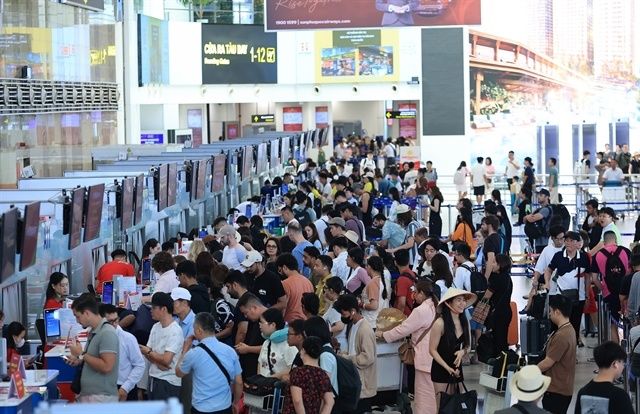
When delays materialise, Vietnamese airlines face a hierarchy of obligations beginning with immediate passenger notification. Carriers must not only inform passengers of the disruption but also provide a clear explanation of its cause and communicate the revised estimated departure time to airport operators and terminal service providers. Critically, this information must appear on airport flight information displays at least every half hour, preventing passengers from being kept in the dark while seeking alternative arrangements. This transparency requirement represents a fundamental shift toward passenger-centric operations in Vietnamese aviation.
Financial compensation thresholds trigger at the two-hour delay mark, at which point airlines must provide drinking water or issue vouchers of equivalent value to affected passengers. For carriers responsible for the delay, the decree eliminates restrictions on rebooking and rerouting, mandating that airlines waive standard surcharges and itinerary change fees to facilitate passenger journeys to final destinations. This provision directly addresses one of aviation's most frustrating practices: charging passengers extra fees to remedy disruptions the airline itself caused.
The regulation also recognises the distinct hardships passengers endure depending on when delays occur. During daytime delays between 7 a.m. and 10 p.m., carriers must arrange suitable rest facilities appropriate to airport conditions. For overnight disruptions occurring between 10 p.m. and 7 a.m., airlines must provide sleeping accommodation or resting facilities consistent with local standards, or offer alternative solutions with passenger consent. This distinction acknowledges that overnight delays impose substantially greater burdens on travellers, who face fatigue and the need for proper rest before continuing their journeys.
Schedule changes present a distinct category of disruption addressed by the decree. When carriers advance or delay departures by five hours or more, passengers gain the right to full refunds, rebooking on alternative itineraries at suitable times, or placement on another flight within 72 hours at their request. Notably, changes of four hours or earlier—or 15 minutes or later—fall under carriers' own operational policies, providing airlines some flexibility for minor adjustments. This tiered approach balances passenger protection with operational practicality, recognising that minor rescheduling may sometimes be unavoidable.
Flight cancellations receive especially robust protections under the new decree. Vietnamese law defines a cancellation as failure to operate a flight for which at least one passenger held a confirmed seat and ticket—a definition that prevents carriers from claiming flights simply never existed. Upon cancellation or refusal to carry passengers, airlines must notify travellers immediately, issue formal apologies, and explain the reasons. When cancellations result from carrier fault, passengers receive the right to rebook on suitable alternative flights, receive full fare refunds, or claim reimbursement of unused ticket portions. These provisions eliminate common industry practices where cancellations triggered by airline mismanagement resulted in passengers bearing the financial loss.
The Ministry of Construction will prescribe additional implementation details, including specific non-refundable advance compensation amounts, payment methods and deadlines, and carrier obligations regarding information disclosure and reporting on delays, cancellations, and boarding refusals. This staged implementation approach allows regulators to calibrate compensation levels based on Vietnamese aviation economics while maintaining principle-based protections outlined in the decree itself.
For Malaysian and Southeast Asian observers, Vietnam's regulatory shift carries significant implications. The region has historically lagged Europe and developed Asian economies in formalising passenger protections, often relying on bilateral agreements or carrier discretion rather than statutory requirements. Vietnam's embrace of comprehensive compensation frameworks may accelerate similar reforms throughout the Association of Southeast Asian Nations, particularly as travellers increasingly expect consistent standards across the region. Airlines operating within Vietnam will need to revise operational and financial protocols to accommodate the decree, potentially increasing pressure on competitors in neighbouring countries to implement comparable protections voluntarily or face regulatory requirements of their own.
The decree's emphasis on transparency and real-time information updates also reflects evolving passenger expectations in the digital age. Travellers now routinely track flights through multiple platforms and expect airlines to match the information quality available through third-party applications. By mandating 30-minute display updates, Vietnam's regulation compels carriers to invest in information systems that keep passengers genuinely informed rather than relying on outdated announcements.
Implementation will prove critical to the decree's effectiveness. Enforcement mechanisms, carrier compliance rates, and passenger awareness of new rights will determine whether Decree No. 208 fundamentally improves the Vietnamese aviation experience or merely exists as aspirational policy. Early reporting from regional aviation authorities will likely influence adoption of similar measures elsewhere in Southeast Asia, making Vietnam's implementation a closely watched case study for regulators considering passenger protection reform.