Malaysia's fire authorities have sounded an urgent alarm over a growing domestic hazard: unsafe device charging practices have triggered 59 house fires across the country over the past three years, resulting in combined losses exceeding RM14.2 million. The Bomba fire department's analysis of these incidents from 2023 to 2025 exposes a troubling pattern of negligence that extends beyond a handful of isolated cases to encompass a systemic problem affecting multiple states.
The financial toll reveals a deeply uneven geographic distribution. Sarawak dominates the loss statistics with approximately RM9.7 million stemming from just 11 cases—a striking figure that underscores how individual fires in the state have proven particularly destructive. Kelantan follows with RM1.14 million across 17 incidents, while Sabah recorded RM806,800 from three fires. The remaining states—Selangor, Penang, Johor, Putrajaya, Melaka, Terengganu and Perak—experienced progressively smaller losses, together accounting for less than RM2.5 million. Notably, six states and federal territories reported no recorded incidents during this period, and crucially, no fatalities were reported across any of the affected areas, though the financial devastation to affected families has been substantial.
Understanding fire investigation complexity requires recognizing that not all incidents carry equal significance simply because of their monetary value. Bomba emphasizes that each case demands individual scrutiny according to its particular circumstances. The technical difficulty of reconstructing what happened depends on multiple intersecting variables: whether the fire occurred in a high-rise apartment or landed property, what type of device initiated the blaze, how extensively flames consumed physical evidence, whether the scene posed ongoing hazards to investigators, and what specialist analysis would be needed to determine causation. This nuanced investigative reality means that the most resource-intensive cases are not always those producing the largest financial losses, but rather those requiring the deepest technical forensic work.
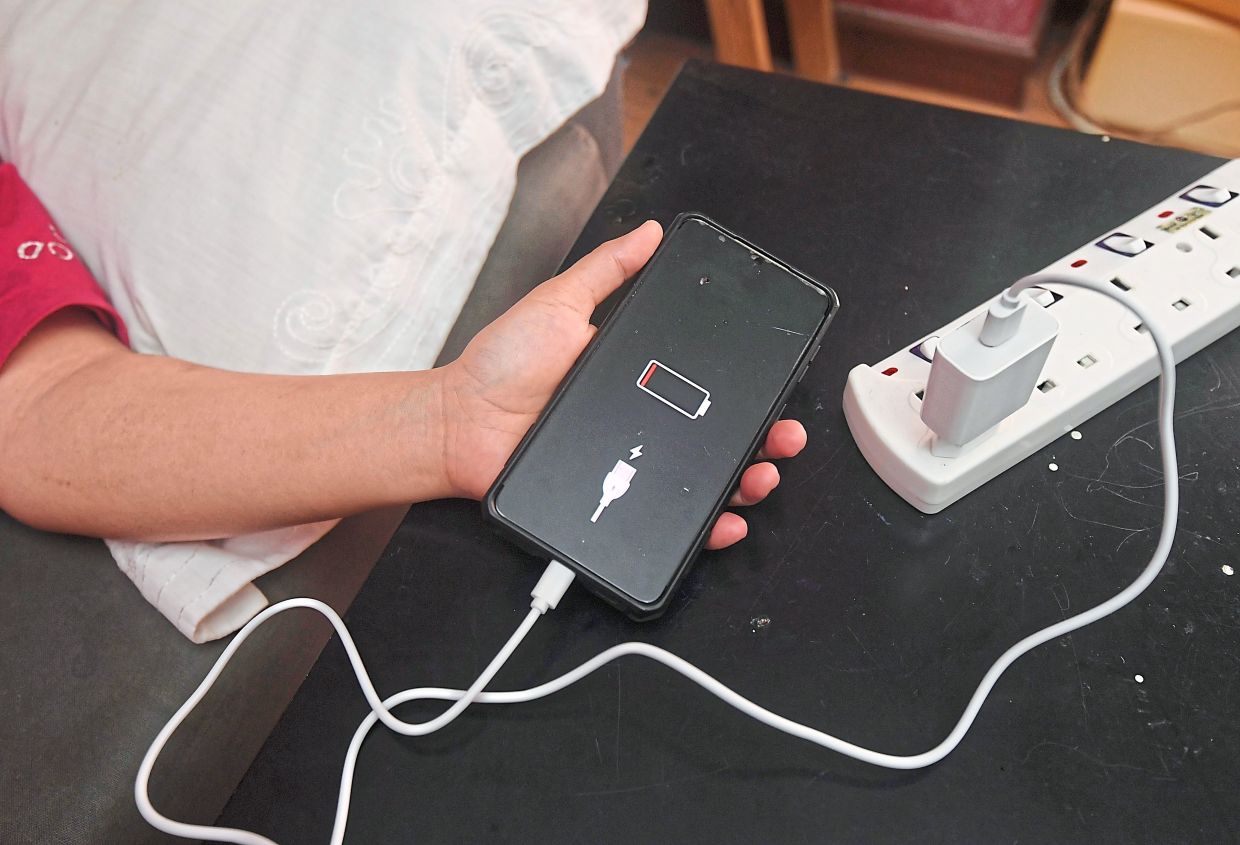
The department's detailed investigation has catalogued the specific unsafe practices driving these preventable disasters. Leaving mobile phones, tablets or laptops charging unattended overnight emerges as perhaps the most pervasive problem, yet one most people consider harmless routine. Equally dangerous is the widespread use of non-certified chargers and cables—often cheaper imports lacking safety standards—rather than manufacturer-approved equipment. Many householders habitually position charging devices on soft furnishings including mattresses, pillows, sofas and blankets, creating ideal conditions for fire propagation once thermal runaway begins. Power strip overloading compounds these risks, as does continued use of visibly deteriorating devices showing battery swelling, excessive heat generation, odours of burning plastic, or frayed cables.
These charging hazards reflect deeper consumer attitudes toward electrical safety. Bomba's findings indicate that price considerations frequently override safety concerns when Malaysians purchase charging equipment and accessories. The temptation to save a few ringgit by selecting unbranded or counterfeit chargers rather than SIRIM-certified alternatives creates widespread exposure to substandard products that cannot properly regulate electrical current. This cost-cutting mentality leaves households with equipment prone to overheating, internal short circuits, or sudden ignition—transformative failures that occur without warning or obvious external trigger.
The public awareness gap remains substantial despite years of fire safety campaigns. Many Malaysians remain genuinely unaware of the specific risks that device charging poses within their homes, or they underestimate the severity of danger compared to conventional fire hazards. The normalization of overnight charging, inherited from long-established mobile phone culture, has created dangerous expectations that devices are inherently safe to leave plugged in indefinitely. This perception persists even as battery technology and charger proliferation have dramatically changed the risk landscape over the past decade.
Bomba has outlined a comprehensive approach to risk reduction centred on behavioral change and informed purchasing decisions. The department explicitly advises against charging devices on any soft surface, recommending instead flat, hard, heat-resistant substrates in well-ventilated areas. Household electrical infrastructure warrants regular inspection and prompt replacement of damaged outlets, worn cables, or deteriorating adapters before they become fire sources. Most critically, consumers should insist on SIRIM certification and equivalent recognized safety marks when purchasing chargers, cables and related accessories, viewing this compliance as non-negotiable rather than optional.
The investigation also highlights the relationship between consumer choice and manufacturer accountability. While individual users bear direct responsibility for safe charging practices, the proliferation of non-compliant equipment in Malaysian retail channels—whether through online marketplaces, small traders, or informal channels—enables unsafe practices. Consumers often lack the technical knowledge to distinguish genuine SIRIM-certified products from convincing counterfeits, placing the burden of verification on individuals rather than supply chain gatekeepers.
Looking forward, Bomba has committed to intensifying fire safety education initiatives targeting household electrical hazards. The department plans to work collaboratively with consumer protection agencies, electrical standards bodies, and community organizations to embed safer charging practices into household routines. This multi-agency approach recognizes that fire prevention requires coordinated effort across public education, regulatory enforcement, product standards, and consumer vigilance rather than relying solely on reactive emergency response.
For Malaysian households, the implications are straightforward yet consequential. The 59 cases and RM14.2 million in losses between 2023 and 2025 represent preventable damage that could affect any family. Implementing simple practices—avoiding overnight unattended charging, purchasing certified equipment, maintaining devices in good condition, and using appropriate charging surfaces—can substantially reduce household fire risk. As device ownership continues expanding and charging infrastructure becomes increasingly central to modern life, the cost of inattention grows proportionally, making this an issue demanding immediate household-level action alongside broader policy attention.