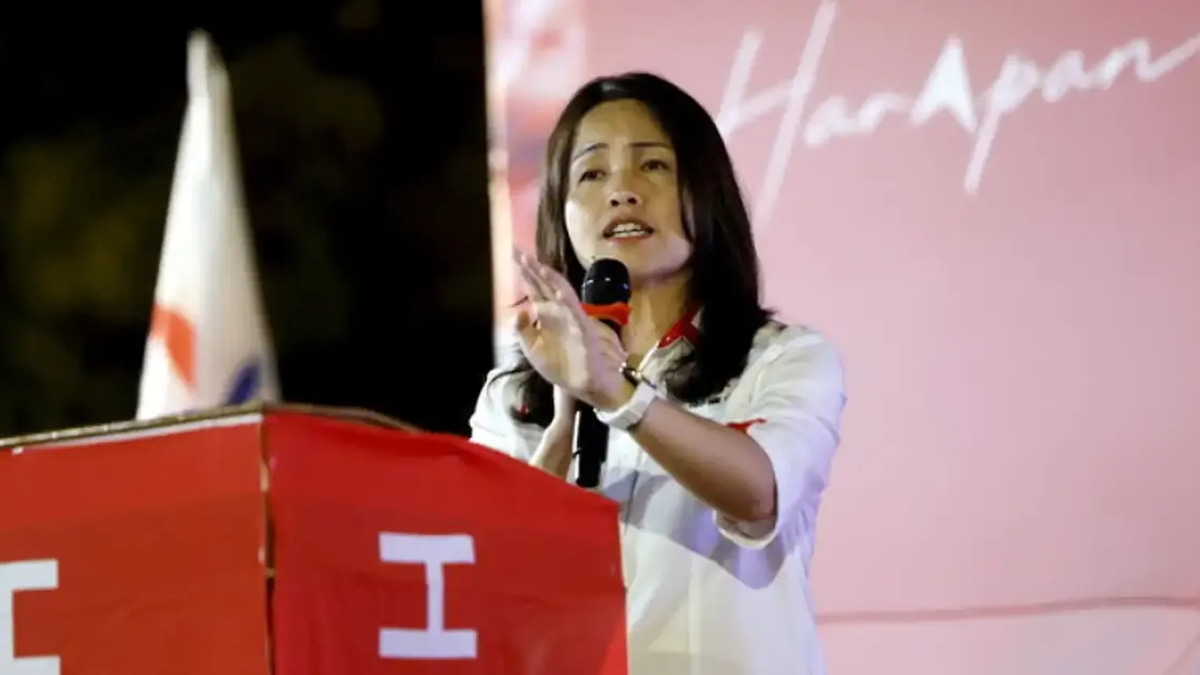
Tony Pua, the former Damansara member of parliament, has indicated that criminal charges against him are probable within the coming weeks after the Royal Malaysian Police elevated his status in an ongoing inquiry related to a Facebook post addressing the Rukun Negara. The reclassification from witness to suspect represents a significant development in the case, signalling that investigators believe there is sufficient evidence to proceed with formal charges against the prominent opposition politician.
The investigation centres on social media commentary posted by Pua concerning Malaysia's national principles, the Rukun Negara. The five pillars of this foundational document—belief in God, loyalty to the King, upholding the Constitution, the rule of law, and maintaining courtesy and morality—remain central to national identity and civic discourse. Any perceived challenge to these principles carries serious legal implications under Malaysia's sedition and public order legislation, which has historically been wielded against political opponents and social commentators alike.
Pua's elevation to suspect status indicates that law enforcement has transitioned from the preliminary information-gathering phase into active criminal investigation territory. This procedural shift typically occurs when police believe they have identified a person with potential culpability. The former legislator's acknowledgement that charges are forthcoming suggests either that he has received formal notification or that his legal team has assessed the evidence gathered and concluded that prosecution is imminent.
The timing of this development carries implications for Malaysia's ongoing political landscape. Pua has long positioned himself as a vocal critic of government policies and a staunch defender of civil liberties and democratic freedoms. His former colleagues in the opposition have frequently cited such cases as indicative of what they characterise as selective law enforcement against dissenting voices. The case may reinvigorate debate about the boundaries between legitimate political speech and material deemed prejudicial to public order under Malaysian law.
The Rukun Negara remains a touchstone in Malaysian national discourse, particularly during periods of social or political tension. Government officials and agencies regularly invoke the principles as guardrails for acceptable public dialogue. Critics argue that invocations of the Rukun Negara occasionally serve to silence legitimate policy critique, blurring the distinction between protected speech and actionable offences. The investigation into Pua's post will likely become a focal point in this broader conversation about free expression and national cohesion.
From a legal perspective, the investigation highlights the complexity of Malaysia's approach to online speech and social media. The country's digital landscape continues to grow exponentially, with citizens increasingly using platforms such as Facebook to engage in political commentary and discussion. However, legal frameworks governing such speech remain contested, with ongoing disagreements about how traditional sedition and public order laws apply to modern forms of communication. Pua's case will potentially contribute to jurisprudential development in this area.
The prospect of charges within weeks means that Pua and his legal representatives must prepare a defence strategy rapidly. The former parliamentarian will need to engage experienced counsel familiar with sedition cases and political speech jurisprudence. Whether the defence will centre on the literal content of the post, the context of its publication, or broader constitutional questions about free expression remains to be seen. The eventual trial, should charges materialise, will attract significant public and media attention given Pua's political profile.
For the opposition movement more broadly, Pua's situation presents both a political challenge and a rallying point. Opposition leaders are likely to frame the investigation as an abuse of state apparatus to suppress legitimate dissent. Simultaneously, they may leverage the case to mobilise support among constituencies concerned about press freedoms and democratic governance. The narrative that emerges around this investigation could influence public perception of law enforcement impartiality in the lead-up to potential future elections.
On the international stage, Malaysia's handling of the case will be observed closely by civil liberties organisations, foreign governments, and international media. Countries including the United States and United Kingdom have periodically raised concerns about press freedom and democratic space in Malaysia during bilateral engagements and in multilateral forums. An investigation and prosecution perceived as politically motivated could trigger formal statements or commentary from diplomatic actors, potentially affecting Malaysia's international standing on governance and human rights metrics.
The substance of Pua's original Facebook post regarding Rukun Negara remains unreported in terms of its specific wording or exact contentious passages. This ambiguity underscores a persistent challenge in Malaysian public discourse: the gap between official characterisation of statements as problematic and independent public assessment of whether those statements genuinely violate legal thresholds. Without detailed disclosure of the precise material triggering the investigation, public understanding of the boundaries of protected speech will remain constrained. As the case progresses, greater clarity may emerge about what specific phrases or arguments are deemed incompatible with Malaysia's foundational principles under current interpretation.