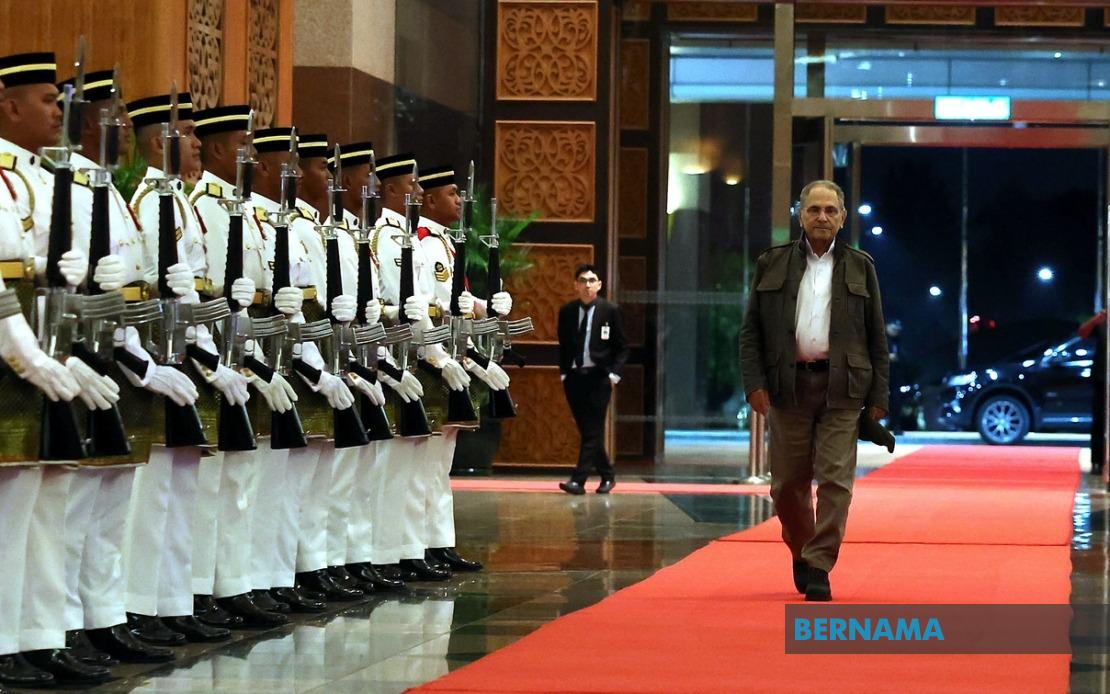
Timor-Leste President Jose Ramos-Horta departed Malaysia in the early hours of June 17, concluding a five-day diplomatic visit that underscored the deepening partnership between the two Southeast Asian nations. The Nobel Peace Prize laureate boarded a Batik Air flight from Kuala Lumpur International Airport's Terminal 1 at 2.15 am, bringing to a close a mission centred on consolidating bilateral ties and advancing regional cooperation. His departure was marked by a formal military honour guard comprising officers and personnel from the First Battalion Royal Ranger Regiment, a ceremonial gesture reflecting the diplomatic significance of the engagement.
Throughout the visit, Ramos-Horta painted an optimistic picture of Malaysia-Timor-Leste relations, describing them as "exceptionally good" during a keynote dialogue session titled "A Changing World, Enduring Values" on June 15. The Timorese leader expressed particular gratitude for Malaysia's consistent backing since before Timor-Leste's independence in 2002, including Malaysia's pivotal role in peacekeeping operations during the turbulent 1999 transition. This historical context is significant for Malaysian readers, as it reinforces Kuala Lumpur's established role as a stabilising force in the region and demonstrates the tangible dividends of long-term diplomatic investment in Southeast Asia's youngest democracy.
A notable achievement highlighted during Ramos-Horta's stay was Malaysia's support for Timor-Leste's entry into ASEAN. The country officially became the bloc's 11th member on October 26, 2025, a milestone that would not have been possible without sustained backing from regional partners, particularly during Malaysia's chairmanship. This expansion is reshaping ASEAN's geopolitical landscape and offering new avenues for intra-regional cooperation, trade, and security coordination that extend Malaysia's sphere of diplomatic influence and economic opportunity.
Ramos-Horta expressed confidence that Timor-Leste would successfully host the ASEAN summit in 2029, with the government rapidly expediting infrastructure and facility improvements to meet the demanding requirements of such a major regional gathering. This commitment signals that Timor-Leste is intent on building institutional capacity to match its newfound status within ASEAN, and suggests Malaysia may play a mentoring role in supporting these preparations—a prospect with implications for Malaysian engineering firms, consultants, and service providers seeking regional contracts.
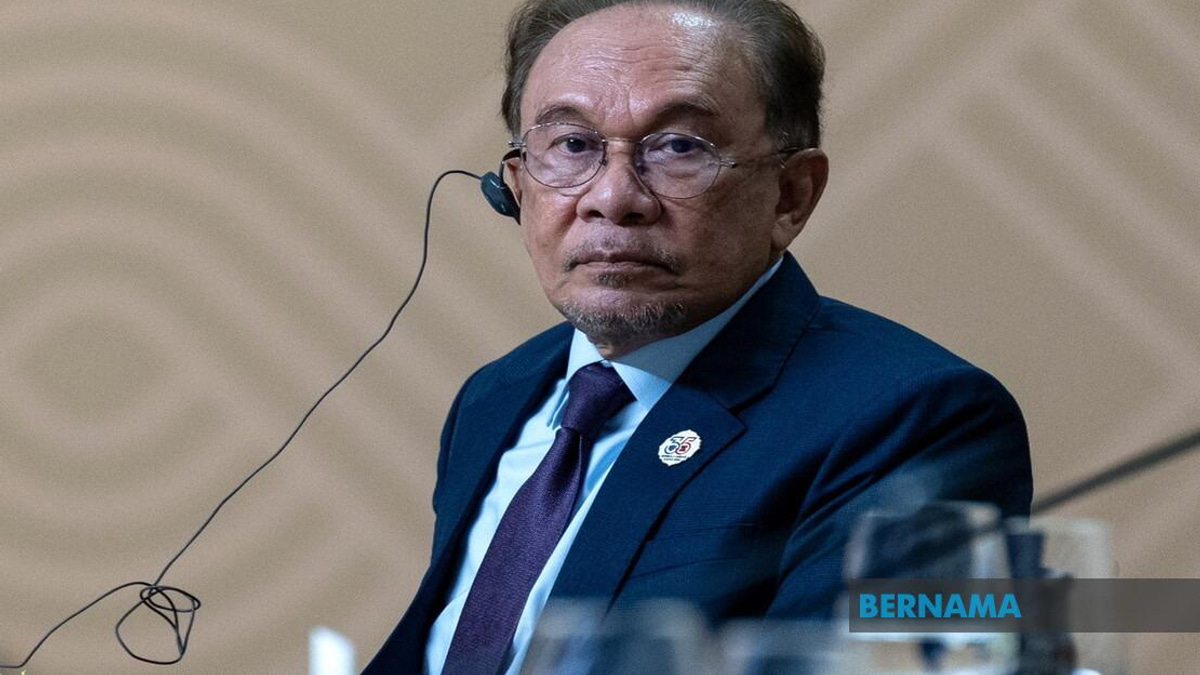
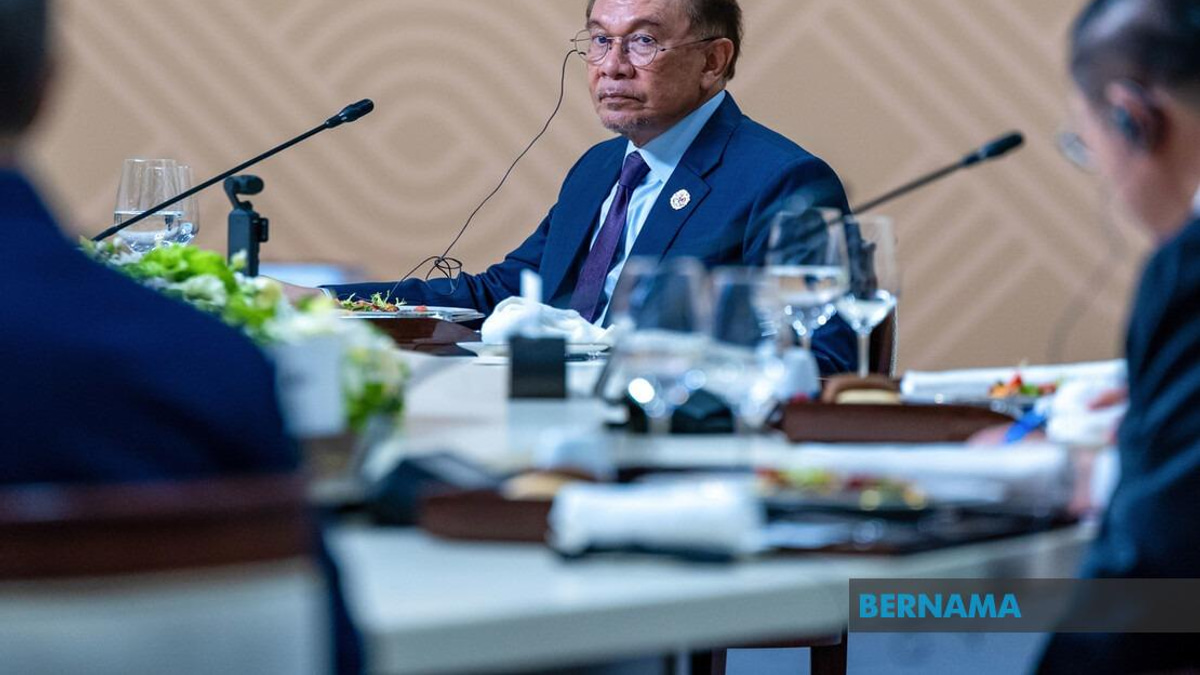
Economic cooperation emerged as a central theme of the visit. Prime Minister Datuk Seri Anwar Ibrahim hosted Ramos-Horta at an official luncheon at the Seri Perdana Complex, where both leaders explored opportunities to expand trade, investment partnerships, human capital development, and technical training initiatives. The Timorese President directly appealed to Malaysian investors to consider opportunities in his country's infrastructure sector, emphasising Timor-Leste's competitive advantages including a relatively low sovereign debt burden and access to multilateral financing institutions. For Malaysian businesses, particularly those in construction, telecommunications, and energy sectors, this represents an emerging frontier market with government backing and financial stability.
However, current bilateral trade figures reveal significant untapped potential. In 2024, two-way commerce between Malaysia and Timor-Leste reached only USD18.72 million (RM85.68 million), with Malaysian exports standing at USD18.37 million (RM84.06 million) and Timorese imports totalling a mere USD0.35 million (RM1.62 million). These modest figures underscore the nascent nature of the commercial relationship and suggest considerable room for expansion. The pronounced trade imbalance, with Malaysian exports vastly outweighing imports, reflects both Timor-Leste's limited manufacturing capacity and the opportunity for Malaysian investors to establish supply chains, joint ventures, or direct investment operations in sectors where Timor-Leste possesses natural resource advantages or labour cost benefits.
The visit also highlighted Timor-Leste's institutional challenges and development priorities. Despite formal ASEAN membership, the nation remains one of the region's least developed economies with limited infrastructure and technical expertise in many sectors. Ramos-Horta's emphasis on human capital development and technical training in discussions with Anwar suggests Timor-Leste is seeking Malaysian expertise and educational partnerships. Malaysian universities, vocational institutions, and technical training providers could position themselves to serve a growing pool of Timorese students and professionals seeking capacity building.
From a geopolitical perspective, strengthening ties with Timor-Leste aligns with Malaysia's broader strategy to enhance its role as a bridge-builder in Southeast Asia. Timor-Leste's geographic location and its position as a former Portuguese colony give it a unique diplomatic character within ASEAN. By cultivating this relationship, Malaysia reinforces its credentials as a nation committed to ASEAN solidarity and to supporting newer, less developed members in their developmental journey—a stance that elevates Kuala Lumpur's soft power and demonstrates commitment to inclusive regional architecture.
The timing of this visit also carries significance in the context of regional geopolitics. As maritime disputes, great power competition, and concerns about traditional security challenges reshape the Southeast Asian landscape, Timor-Leste's full integration into ASEAN structures provides Malaysia with an additional partner in promoting multilateral dialogue and rules-based approaches to regional challenges. The country's proximity to major shipping lanes and its maritime boundaries give it strategic importance that extends beyond its current economic weight.
Looking forward, the visit suggests Malaysia should view Timor-Leste not merely as a newly-minted ASEAN member requiring mentorship, but as a nation with genuine commercial and strategic value. Malaysian investors with experience in emerging markets, Malaysian educational institutions offering scholarships, and Malaysian companies with expertise in infrastructure development have concrete opportunities to establish themselves in Dili. The visit by Ramos-Horta represents an opening—one that Malaysia would be prudent to pursue systematically rather than allow to fade in the absence of follow-up diplomatic and commercial engagement.
The departure of President Ramos-Horta marks the conclusion of one diplomatic chapter but the beginning of potentially deeper engagement between the two nations. For Malaysia, the stakes involve both immediate economic gains and longer-term strategic positioning within ASEAN as it navigates an increasingly complex regional and global environment.