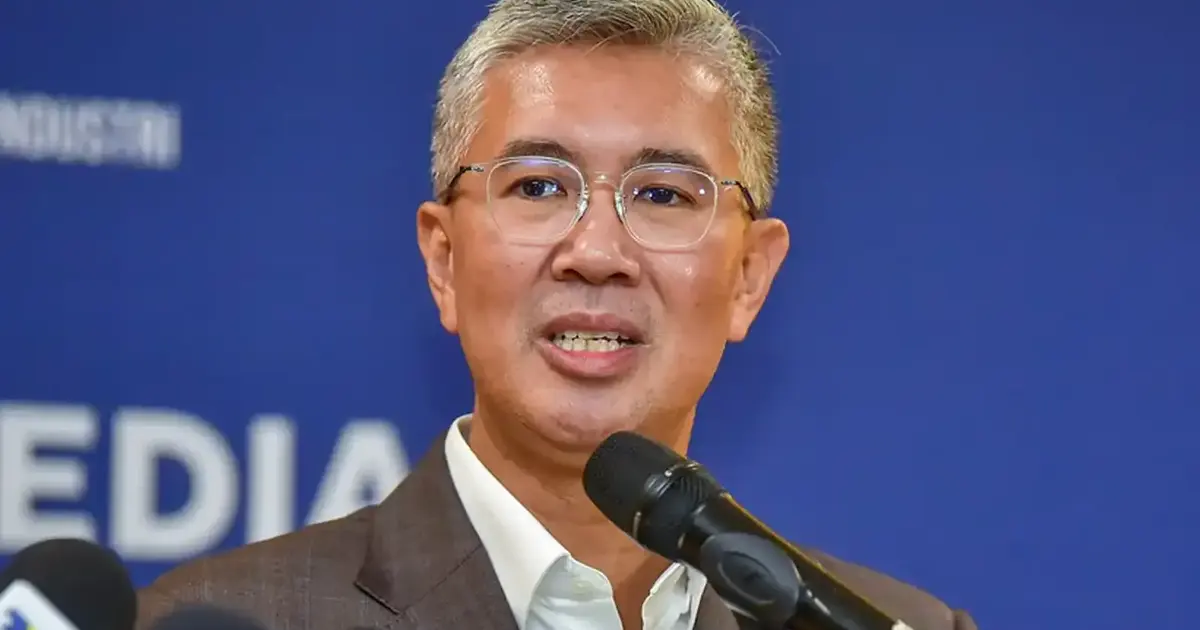
Former minister Tengku Zafrul is signalling renewed interest in pursuing parliamentary representation, expressing enthusiasm about the prospect of contesting a seat in Selangor during the upcoming general election. His statement marks a fresh chapter following his unsuccessful campaign in GE15, when he stood for Umno in the highly competitive Kuala Selangor constituency but fell short at the ballot box.
Tengku Zafrul's loss in Kuala Selangor came against Amanah vice-president Dzulkefly Ahmad, a result that would have prompted considerable reflection within both the defeated campaign and Umno's broader electoral strategy. The Selangor state, long a crucial battleground in Malaysian electoral contests, has remained deeply contested between coalition and opposition forces, with voter preferences shifting unpredictably across consecutive election cycles. Understanding the dynamics of Selangor's political terrain becomes essential for any candidate contemplating a second attempt after experiencing defeat.
The timeframe between GE15 and GE16 presents political figures with unique opportunities for reassessment and repositioning. For Tengku Zafrul, the intervening period allows both for consolidating grassroots support and for demonstrating sustained commitment to the communities he previously sought to represent. This pattern of return candidatures is not uncommon in Malaysian politics, where established figures frequently rebuild momentum following electoral setbacks and ultimately secure victories in subsequent contests.
Selangor's importance in national electoral mathematics cannot be overstated. The state commands the largest number of parliamentary seats of any Malaysian state, and its voting patterns often serve as bellwethers for broader national sentiment. Capturing seats in this crucial territory directly influences which coalition ultimately forms government, making every contest intensely fought and every candidate's viability carefully scrutinized by party strategists. Tengku Zafrul's interest in returning to contest there reflects an understanding of these high stakes.
His background as a former government minister would typically confer certain advantages when approaching voters, including name recognition and demonstrated policy experience at the highest levels. However, ministerial credentials alone do not guarantee electoral success, particularly when voters have rejected a candidate previously. Rebuilding trust and demonstrating responsive engagement with constituent concerns over the months leading to campaign season becomes crucial for overcoming incumbent disadvantages.
Umno's broader strategic positioning in Selangor continues to evolve as the party navigates coalition arrangements and internal dynamics. The party's performance in Selangor constituencies will significantly influence its overall parliamentary representation and negotiating power within whichever federal coalition ultimately governs. Tengku Zafrul's potential candidature would therefore represent not merely a personal political venture but rather part of the broader calculations involving party machinery, coalition partnerships, and state-level political configurations.
The question of which specific Selangor seat Tengku Zafrul might contest remains open. His previous attempt centred on Kuala Selangor, but political circumstances often necessitate geographic flexibility for candidates pursuing second attempts. Party leadership evaluations of winnable seats, candidate credentials best suited to particular constituencies, and voter sentiment in different areas all factor into eventual nomination decisions. Whether Tengku Zafrul pursues the same seat or pivots to a different Selangor parliamentary district will substantially influence his prospects.
Voter behaviour in Selangor has demonstrated considerable unpredictability over recent election cycles, with constituencies that appeared secure sometimes producing surprising results. This volatility reflects genuine deliberation among electorates weighing policy platforms, candidate credentials, and evolving assessments of coalition performance. For any returning candidate, understanding these shifting preferences and developing messaging that responds to demonstrated voter concerns becomes strategically essential.
Tengku Zafrul's public expression of interest in contesting occurs within a broader context of ongoing political realignment across Malaysia. Parties and politicians continuously assess their positioning, evaluate emerging opportunities, and signal intentions regarding upcoming contests. His willingness to pursue parliamentary representation anew, following a previous defeat, demonstrates confidence in his ability to reconnect with voters and present a compelling case for his return.
The path to GE16 involves multiple intermediate steps and decision points for all prospective candidates and their parties. Internal party processes for candidate selection, negotiations within coalition frameworks, and strategic assessments of resource allocation will all influence whether Tengku Zafrul ultimately receives nomination for a Selangor seat. His expressed keenness represents a beginning rather than a confirmed candidacy, and many months of political activity will precede final confirmation of the actual parliamentary contest lineups.