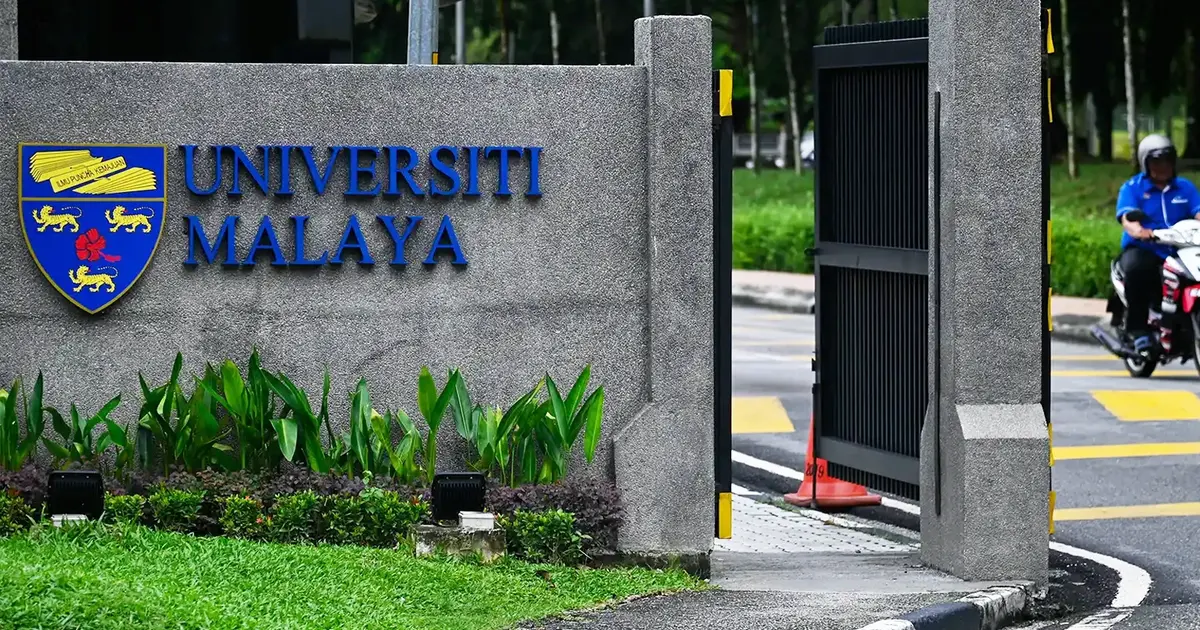
Student activists at the University of Malaya are intensifying pressure on the institution to deliver concrete outcomes from an ongoing sexual harassment investigation into one of its professors, highlighting growing frustration over what appears to be an extended administrative process. NewGen UM, a student advocacy group, has publicly demanded that the university move forward with announcing its findings, contending that nearly a year has passed since officials suggested the inquiry was in its concluding phases.
The timing of the students' call for action underscores a broader pattern of concern on Malaysian campuses regarding institutional accountability in matters of sexual misconduct. Universities across the region have come under increasing scrutiny from student bodies and civil society organizations that argue traditional investigative procedures often lack transparency and proceed at glacial pace, leaving complainants and the broader campus community in prolonged uncertainty. The gap between promised timelines and actual delivery of results can have significant consequences for all parties involved, extending the period of uncertainty that typically accompanies such allegations.
According to NewGen UM's position, the university made clear statements last September indicating that the investigation had reached an advanced stage and that conclusions would be forthcoming. The absence of any public announcement or communication regarding the probe's resolution suggests that either the investigation has encountered unforeseen complications requiring additional time, or administrative channels have deprioritized the matter despite earlier commitments. Such delays can create an information vacuum that fuels speculation and undermines confidence in institutional processes.
The silence from the university administration raises important questions about how Malaysian higher education institutions manage sensitive matters involving allegations against faculty members. Balancing the need to protect the presumption of innocence with the legitimate interests of accusers and the campus community in transparency remains a persistent challenge for universities worldwide. However, students argue that this balance cannot extend indefinitely, and that extended delays themselves become a form of obstruction that prevents closure and proper institutional accountability.
NewGen UM's intervention reflects a wider shift in how student cohorts at Malaysian universities are engaging with governance and institutional accountability. Rather than accepting lengthy administrative processes without question, student groups are increasingly demanding that universities operate with clearly defined timelines and meaningful disclosure of outcomes. This activism has been instrumental in pushing several institutions toward more robust policies on sexual harassment and misconduct in recent years.
The University of Malaya, as Malaysia's oldest and most prestigious institution, operates under heightened expectations regarding administrative standards and accountability. Any investigation into misconduct allegations should ideally be conducted with both thoroughness and reasonable speed, recognizing that prolonged uncertainty serves few constructive purposes. The university's silence since September thus carries symbolic weight beyond the individual case at hand, potentially affecting how current and prospective students perceive institutional reliability and commitment to addressing misconduct.
Beyond the immediate case, this situation illustrates the broader challenge facing Malaysian universities in establishing credible, efficient systems for addressing sexual harassment. Many institutions continue to rely on traditional investigative models that, while sometimes rigorous, can lack transparency and public accountability measures. International best practices increasingly emphasize the importance of clear communication, defined timelines, and confidentiality protocols that protect both complainants and the accused while allowing appropriate disclosure of outcomes.
The student group's activism also reflects global movements pushing universities to treat sexual harassment with the seriousness it deserves. Over the past decade, student-led campaigns at universities across Asia, North America, and Europe have challenged institutions to strengthen policies, accelerate investigations, and implement meaningful sanctions when misconduct is substantiated. Malaysia's higher education sector has not been immune to these pressures, though progress in some institutions remains uneven.
For the University of Malaya specifically, delivering on its stated commitment to conclude this investigation would serve multiple purposes. It would demonstrate responsiveness to student concerns, provide necessary closure to the individuals involved, and reinforce institutional credibility around safety and conduct standards. The continued absence of an outcome, by contrast, risks deepening perceptions that the university prioritizes protecting its reputation and faculty members over addressing legitimate grievances through transparent processes.
The position taken by NewGen UM reflects not hostility toward the university but rather reasonable expectations rooted in the principles of institutional accountability that should underpin academic communities. Students are stakeholders in their institutions, and their insistence on timely resolution of misconduct investigations serves the interests of the entire campus ecosystem. As the University of Malaya considers its next steps, the pressure from student activists represents an opportunity to strengthen its processes and demonstrate genuine commitment to maintaining a respectful, safe learning environment for all.
Moving forward, this situation may prompt broader reflection across Malaysian higher education about establishing clearer, more transparent frameworks for investigating and resolving allegations of sexual harassment. Universities that remain responsive to student concerns while maintaining investigative integrity are more likely to build the kind of institutional trust that becomes essential during sensitive matters involving misconduct accusations.