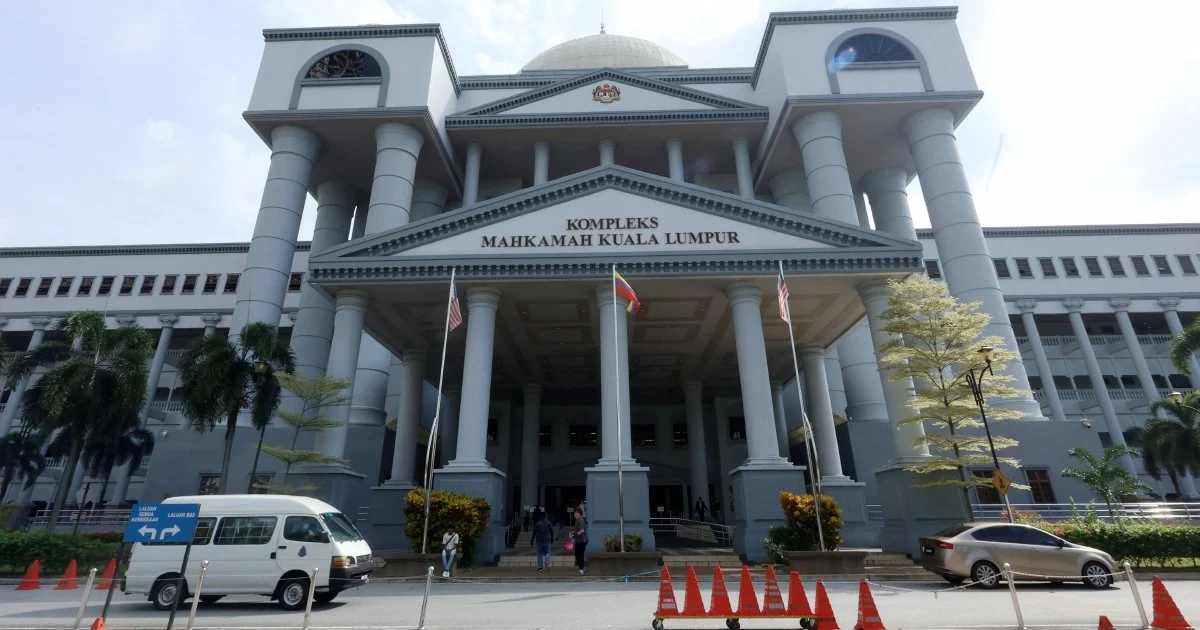
A chief executive of a statutory body will appear before the Sessions Court today to face seven corruption charges related to the solicitation and acceptance of bribes totalling more than RM1 million in connection with sports facility projects. The action represents a continuing effort by authorities to tackle high-level corruption within government-linked institutions, an area that has drawn increasing scrutiny from anti-graft agencies in recent years.
The charges relate to alleged improper payments made during the administration and oversight of sports infrastructure development, highlighting vulnerabilities in procurement processes that govern major public facility projects. These cases typically involve intermediaries and contractors who funnel payments to decision-makers responsible for project allocation and contract awards. The RM1 million threshold places this matter in the category of serious financial crimes, with implications that extend beyond the individual defendant to broader questions about institutional governance.
Statutory bodies in Malaysia occupy a critical position within the public administration framework, entrusted with managing substantial budgets and overseeing significant national projects. When senior executives within these organisations abuse their positions for personal gain, it undermines public confidence in these institutions and diverts resources intended for community benefit. The sports sector, in particular, has been identified as vulnerable to such schemes, as projects often involve substantial capital expenditure and contracts that attract substantial commissions.
The Malaysian Anti-Corruption Commission has intensified investigations into government-linked entities over the past two years, recognising that systemic corruption within these bodies can have cascading effects across multiple sectors. Sports facilities serve communities and support the development of athletic talent at various levels, so misappropriation of funds in this area carries social consequences beyond simple financial loss. Public funds diverted to personal enrichment represent a loss of opportunity for proper infrastructure development.
The decision to prosecute through the Sessions Court indicates that prosecutors believe they possess sufficient evidence to proceed to trial. These proceedings will likely expose the mechanisms through which illicit payments were allegedly arranged and concealed, potentially revealing procedural weaknesses in how projects were evaluated and approved. The transparent handling of such cases serves an important deterrent function for other public officials contemplating similar misconduct.
For Malaysian readers, these developments underscore ongoing efforts to strengthen accountability within public institutions, a priority that has gained momentum among policymakers and the electorate alike. The focus on statutory bodies reflects recognition that corruption at this level directly affects the quality of services and infrastructure available to ordinary citizens. When executives responsible for allocating sports development funds are compromised, the projects that receive funding may not represent the best use of public resources.
The charges also come amid broader conversations about corporate governance and financial transparency across government-linked organisations. Many statutory bodies have implemented additional oversight mechanisms and reporting requirements in response to high-profile prosecutions, though critics argue that preventive measures remain insufficient in some quarters. Robust internal controls and whistleblower protections are essential components of any comprehensive anti-corruption framework.
Regionally, Malaysia's approach to prosecuting corruption within state-owned entities and statutory bodies has attracted attention from other Southeast Asian nations grappling with similar challenges. The judicial system's capacity to handle complex financial crimes cases efficiently has improved, though backlogs remain a concern in some jurisdictions. Successful prosecutions provide valuable jurisprudence and establish precedents that inform how future cases are handled.
The implications of this case extend to procurement policies and contract management practices across the public sector. Institutions managing major capital projects have reviewed their tender processes, approval mechanisms, and payment authorisation procedures in light of high-profile corruption scandals. Some have introduced competitive bidding requirements and third-party audits of significant contracts, though implementation varies across different statutory bodies.
As the case progresses through the courts, particular attention will focus on how the payments were documented or concealed and what role multiple parties played in facilitating the alleged transactions. These details will be instructive for other organisations seeking to identify and prevent similar schemes. The outcome of the trial will likely influence how anti-corruption enforcement is prioritised within similar institutions across Malaysia and neighbouring countries.