South Korean authorities have begun questioning executives from Shinsegae Group, the operator of Starbucks Korea, as part of an investigation into a promotional campaign that triggered widespread public outrage by aligning with a sensitive historical commemoration. The questioning represents a significant escalation in the scandal surrounding the so-called "Tank Day" initiative, which has exposed deep sensitivities around how major corporations handle references to Korea's traumatic past.
The controversy centres on a reusable cup promotion that Starbucks Korea scheduled for May 18, a date that holds profound significance for the nation. The chosen date coincided precisely with the 46th anniversary of the Gwangju uprising, a pivotal 1980 pro-democracy demonstration brutally suppressed by state forces. Official records document 165 civilian deaths, though historians and survivor organisations maintain the actual toll was considerably higher. The synchronicity between the commercial campaign and this solemn commemoration sparked immediate backlash from civil society groups, activists, and the broader public.
The marketing misstep proved extraordinarily costly for the coffee chain operator. Shinsegae Group moved swiftly to contain the damage, terminating its Korea chief executive on the very day the scandal broke publicly. The group's chairman, Chung Yong-jin, subsequently made a formal public apology, a step that reflected the severity of the reputational crisis. However, these damage-control measures failed to satisfy civil society watchdogs. A civic group filed a formal complaint against Chung and other senior figures, alleging violations of a 2016 law designed to protect historical accuracy around the 1980 crackdown. The legislation specifically prohibits the dissemination of misleading information concerning the pro-democracy movement. The complaint additionally incorporated allegations of defamation and personal insult.
According to company statements released to international media outlets, Seoul Metropolitan Police Agency called in Yang Jong-hwan, identified as the head of Shinsegae Group's audit team, for questioning in the capacity of a witness. The company declined to elaborate on the substance of the interrogation or its implications. Shinsegae expressed optimism that investigative processes would proceed with full transparency, committing the organisation to comprehensive cooperation with law enforcement authorities throughout the inquiry.
The corporate response has included mandatory historical education. Beginning the Monday after the controversy was widely reported, all Starbucks locations across South Korea will close for half a day to permit staff participation in educational sessions focused on the 1980 crackdown and its historical context. Senior management, including Shinsegae's chairman and other top executives, will undergo comparable instruction two days subsequently. This institutional response underscores the depth of the crisis and the perceived necessity for comprehensive organisational remediation.
Shinsegae's internal review identified a cascading series of procedural failures that permitted the problematic promotion to advance. Officials responsible for approving the campaign had neglected to thoroughly scrutinise the design file before authorization. This breakdown in internal oversight mechanisms—apparent failures to implement standard quality control procedures—contributed significantly to the reputational catastrophe. The company's acknowledgment of these systemic lapses implicitly accepted that the scandal resulted not from malicious intent but from organisational negligence and inadequate institutional safeguards.
The financial impact on Starbucks Korea has been measurable and immediate. The operator reported a sharp decline in sales during the initial period following public disclosure of the scandal. This commercial consequence reflected consumer sentiment regarding the perceived insensitivity of the promotional timing. Given that South Korea represents Starbucks' third-largest market globally, trailing only the United States and China, the reputational damage carried particular significance for the international coffee chain's broader strategic positioning in Asia.
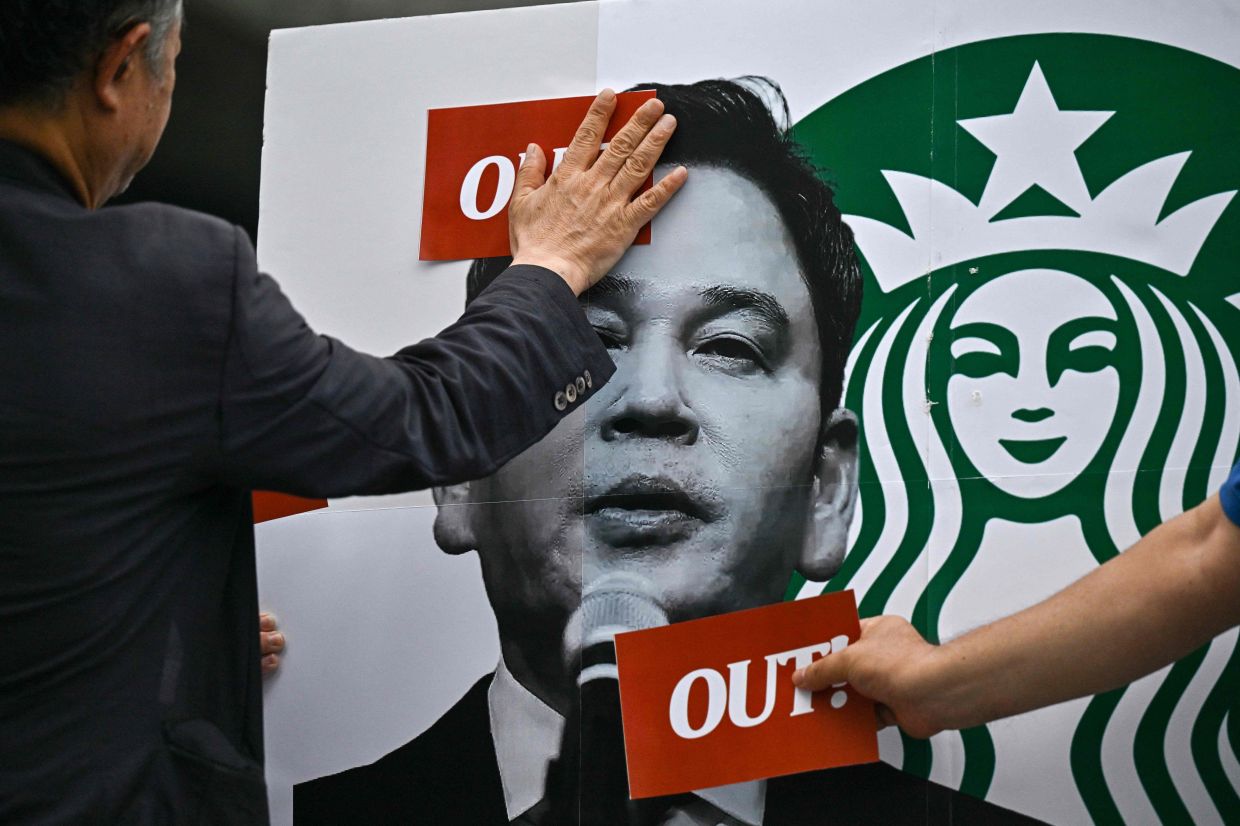
The scandal provoked widespread public demonstrations, with protests organised in Seoul and Gwangju, the city that bore the heaviest toll during the 1980 crackdown. These mobilisations reflected how deeply the incident resonated across generational and geographic divides. The Gwangju uprising occupies a singular position in Korean national memory and democratic consciousness, making any perceived trivialisation particularly inflammatory. The demonstration of public concern suggested that major corporations operate within an increasingly stringent framework regarding historical sensitivity.
Government figures have publicly condemned the incident with considerable force. President Lee Jae Myung characterised the promotional campaign as "inhumane and disgraceful conduct," language reflecting official disapproval and signalling that the controversy had transcended corporate communications into the realm of political discourse. This presidential commentary underscored the gravity with which state authorities viewed the matter and the broader implications for corporate accountability standards in South Korea's contemporary political environment.
The episode illuminates the particular challenges multinational corporations face when operating in markets where historical consciousness remains acutely sensitive. For regional businesses, the Starbucks Korea situation provides a cautionary lesson regarding the necessity of implementing robust institutional protocols to prevent analogous incidents. As South Korean civil society continues demonstrating its capacity to mobilise rapidly against perceived historical insensitivity, corporations operating in the market must develop more sophisticated mechanisms for identifying and preventing potential conflicts between commercial activities and historical commemorations. The investigation's progression will likely establish important precedents regarding corporate accountability under South Korea's 2016 legislation.