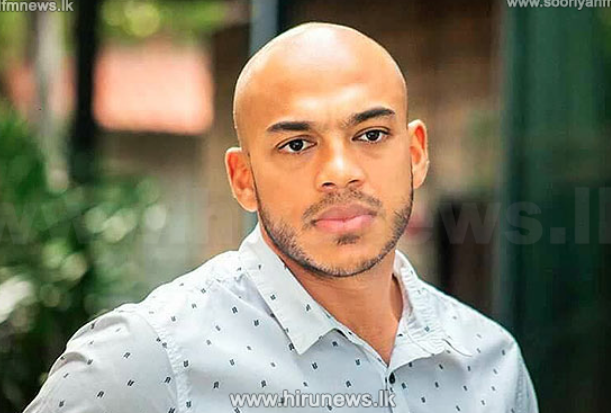
The son of Sri Lanka's former president Mahinda Rajapaksa was arrested on Wednesday, 17 June, on corruption charges stemming from his time as a naval officer, according to the country's Bribery Commission. The detention of Yoshitha Rajapaksa, aged 38, represents a significant development in an intensifying campaign against one of South Asia's most prominent political dynasties, whose members have faced mounting legal scrutiny since the electoral victory of President Anura Kumara Dissanayake in 2024.
Yoshitha Rajapaksa stands accused of improperly accessing state funds to finance overseas military training, having advanced through naval ranks despite lacking the requisite qualifications for such promotion. The Bribery Commission's statement clarified that his arrest centres on charges of aiding and abetting in connection with his recruitment without meeting minimum professional standards, followed by his subsequent use of government resources for international training programmes. This represents a direct challenge to practices that critics say were endemic during the Rajapaksa family's period of political dominance.
The officer attended an elite course at Dartmouth, Britain's premier naval college, during his father's presidency from 2005 to 2015. This placement proved controversial, with observers arguing that Yoshitha's attendance displaced a naval cadet who had legitimately earned selection through competitive merit-based processes. The decision symbolised broader concerns about nepotistic advancement within state institutions during the Rajapaksa era, where family connections frequently trumped professional qualification and transparent appointment procedures.
Yoshitha had already faced significant legal jeopardy prior to this arrest, having been implicated in two separate money-laundering investigations and subjected to a travel ban prohibiting foreign movement. He had maintained his freedom through bail arrangements until this latest detention, though his legal exposure had steadily widened as investigators uncovered additional matters requiring examination. The cumulative effect of these multiple cases suggests a pattern of financial impropriety spanning his period of public service.
A second corruption prosecution concerns his inability to satisfactorily account for the source of funds used to purchase residential property whilst his father occupied the presidency. When questioned by investigators, Yoshitha claimed he had raised capital by selling gemstones that his grandaunt had gifted to him. However, the elderly relative subsequently stated she could not explain how she had originally obtained these precious stones, creating an implausible explanation that undermined his defence and raised further questions about money laundering and concealed wealth accumulation. This unresolved property transaction exemplifies the broader financial mysteries surrounding the family's unexplained acquisitions during its period in power.
Additionally, Yoshitha confronts criminal charges related to his purchase and ownership of a television network, further evidence of complex financial dealings that prosecutors believe warrant judicial scrutiny. These overlapping cases collectively paint a picture of an individual who leveraged his privileged family position to accumulate resources and control media assets in ways that authorities now view as improper and potentially illegal under Sri Lankan statutes.
The revitalised prosecution of Rajapaksa family members directly reflects the electoral mandate secured by President Dissanayake, who campaigned explicitly on an anti-corruption platform. His 2024 victory represented a popular repudiation of the family's extended political influence and a demand for accountability regarding alleged misconduct during their years controlling state apparatus. This electoral shift has emboldened investigative agencies and prosecution authorities to pursue cases that may have languished or been deprioritised under previous administrations more sympathetic to the powerful clan.
The Rajapaksa family's legal troubles extend well beyond Yoshitha. His uncle, Gotabaya Rajapaksa, who served as president from 2019 until his forced departure in 2022 following a severe economic crisis and public uprising, recently received a foreign travel ban. Gotabaya faces potential prosecution regarding the Easter Sunday bombings of 2019, which killed 279 people in coordinated attacks on churches and hotels. He has petitioned the court system seeking to prevent his arrest on these charges, though the legal outcome remains uncertain. This broader familial jeopardy underscores the comprehensive nature of the anti-corruption agenda now reshaping Sri Lankan politics.
Numerous other Rajapaksa associates have confronted charges ranging from corruption to homicide, though these proceedings remain pending before the courts, indicating that the full reckoning with the family's two decades of political dominance continues to unfold through the judiciary. The accumulation of these cases reflects deep institutional inquiries into how state resources were deployed, how merit-based systems were circumvented, and how family members accumulated wealth during periods of public service.
For Malaysian and regional observers, the Sri Lankan experience offers instructive lessons about the mechanisms through which concentrated power can be misused and the conditions necessary to initiate genuine accountability processes. The Rajapaksa case demonstrates both the challenges of prosecution (cases often take years to conclude) and the political will required when an electoral mandate explicitly prioritises anti-corruption enforcement. The sequence of arrests and investigations may serve as a reference point for Southeast Asian societies grappling with similar questions about dynastic governance, institutional reform, and whether legal systems can effectively constrain powerful political families once public sentiment shifts decisively against them.