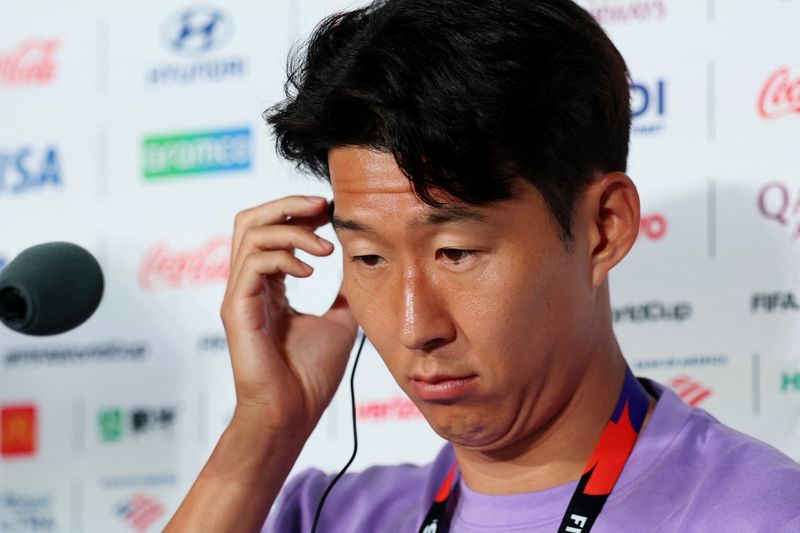
The South Korean national football team has suspended voluntary media interactions during the World Cup after reporters allegedly ridiculed captain Son Heung-min's military service obligations, creating a diplomatic row between the squad and domestic press corps. The controversy emerged when microphones captured disparaging comments about the 33-year-old's recent military commitment while he trained separately from his teammates at the Guadalajara base camp, prompting a swift and visible rupture between the footballers and the journalists covering their campaign.
Military service represents one of South Korea's most sensitive national issues, with every able-bodied male citizen required to complete approximately 21 months in uniform as part of the country's security architecture against potential North Korean aggression. This mandatory obligation has long been a source of tension, affecting athletes' careers and creating complex decisions for those who achieve international success. However, the government provides a crucial escape clause: athletes who secure medals at the Olympic Games or win continental championships gain exemption from these duties, recognising their contributions to national prestige on the global sporting stage.
Son and his fellow squad members earned this exemption when South Korea captured gold at the 2018 Asian Games in Indonesia, a triumph that granted them release from the standard military requirement. Despite this achievement and the legal clarity of their status, the alleged mockery of Son's situation has exposed underlying tensions within South Korean society regarding military service expectations and celebrity status. The incident suggests that even exemptions carry social stigma, with elements of the media apparently viewing the matter as worthy of ridicule rather than recognition of legitimate achievement.
The Korea Football Association swiftly issued a formal statement expressing regret over what it termed inappropriate conduct by certain media personnel at the training facility. The federation emphasised the team's commitment to representing their nation with dignity and repaying public support through competitive excellence, positioning the players as custodians of national honour during an international tournament. This framing elevates the dispute beyond simple player-media relations into a question of national representation and the obligations that accompany wearing the Taegeuk Warriors colours.
The statement further underscored how the leaked conversations had caused significant shock and disappointment within the squad, suggesting the remarks cut deeper than routine media criticism. The KFA appealed to news outlets to demonstrate greater consideration and professional responsibility when covering the team, implicitly warning against future transgressions. Officials vowed to prioritise squad protection and work toward establishing a more constructive media environment, signalling that the federation intends to enforce boundaries around team access during the tournament.
While the South Korean players have withdrawn from voluntary press commitments, FIFA's mandatory media obligations remain non-negotiable. International football's governing body requires participating nations to make players available for official post-match interviews and scheduled press conferences, preventing the boycott from extending to tournament-mandated interactions. This limitation means the squad cannot entirely sever media relations, though they have clearly signalled their displeasure through the withdrawal of goodwill beyond these requirements.
Son's personal military service history adds particular poignancy to the controversy. Rather than exploit his exemption fully, the forward completed a three-week basic training course in 2020 during a period when the English Premier League ceased operations due to the COVID-19 pandemic. This voluntary undertaking, which included exposure to tear gas, live-fire exercises, and demanding 30-kilometre marches, demonstrated his willingness to contribute to national defence despite his legal exemption. The decision showcased both patriotic commitment and a desire to avoid the appearance of privilege, making the alleged mockery appear even more caustic.
The incident reflects broader societal attitudes within South Korea toward military service that remain contentious and generationally divided. Younger citizens increasingly question the relevance and length of conscription requirements, while traditional perspectives maintain that service is an unquestionable civic duty regardless of individual circumstances or achievements. Athletes occupy an unusual space in this debate, simultaneously celebrated for representing national interests internationally while sometimes resented for the special dispensations their success grants them.
For Malaysian and Southeast Asian observers, the controversy highlights how national security concerns shape social attitudes in different regional contexts. While Malaysia does not maintain mandatory military conscription, South Korea's situation illustrates how security geopolitics can create cultural expectations that transcend normal civilian life. The media's alleged conduct also raises questions about professional boundaries and the public interest, particularly when covering athletes who already bear the weight of national expectations during high-stakes competitions.
The standoff demonstrates how incidents at international tournaments can escalate quickly when they touch upon sensitive national interests. What began as remarks caught on an open microphone has become a statement about media responsibility, player dignity, and the relationship between national service and athletic achievement. The South Korean federation's decisive response signals that the team will not tolerate disrespect, even as it navigates the impossible position of maintaining international tournament requirements while protecting squad cohesion.
Looking forward, the incident may establish precedent for how national associations respond to perceived media misconduct during major competitions. The KFA's firm stance protects its players in the immediate term but also raises questions about whether such boycotts ultimately serve the game or create counterproductive divisions. The resolution of this dispute will likely depend on whether media outlets acknowledge the KFA's concerns and demonstrate renewed commitment to professional conduct, or whether the tension persists throughout South Korea's tournament campaign, creating an uncomfortable dynamic between the players and the domestic journalists seeking to cover their performances.