%22%2F%3E%3C%2Fpattern%3E%3C%2Fdefs%3E%3Crect%20width%3D%22100%25%22%20height%3D%22100%25%22%20fill%3D%22url(%23ph3qcoig)%22%2F%3E%3Crect%20width%3D%22100%25%22%20height%3D%22100%25%22%20fill%3D%22url(%23ph3qcoip)%22%2F%3E%3Ctext%20x%3D%2250%25%22%20y%3D%2250%25%22%20text-anchor%3D%22middle%22%20dominant-baseline%3D%22central%22%20fill%3D%22rgba(255%2C255%2C255%2C0.95)%22%20font-family%3D%22Georgia%2C%20'Times%20New%20Roman'%2C%20serif%22%20font-weight%3D%22700%22%20font-size%3D%22226%22%20letter-spacing%3D%22-0.02em%22%3ESenior%3C%2Ftext%3E%3C%2Fsvg%3E)
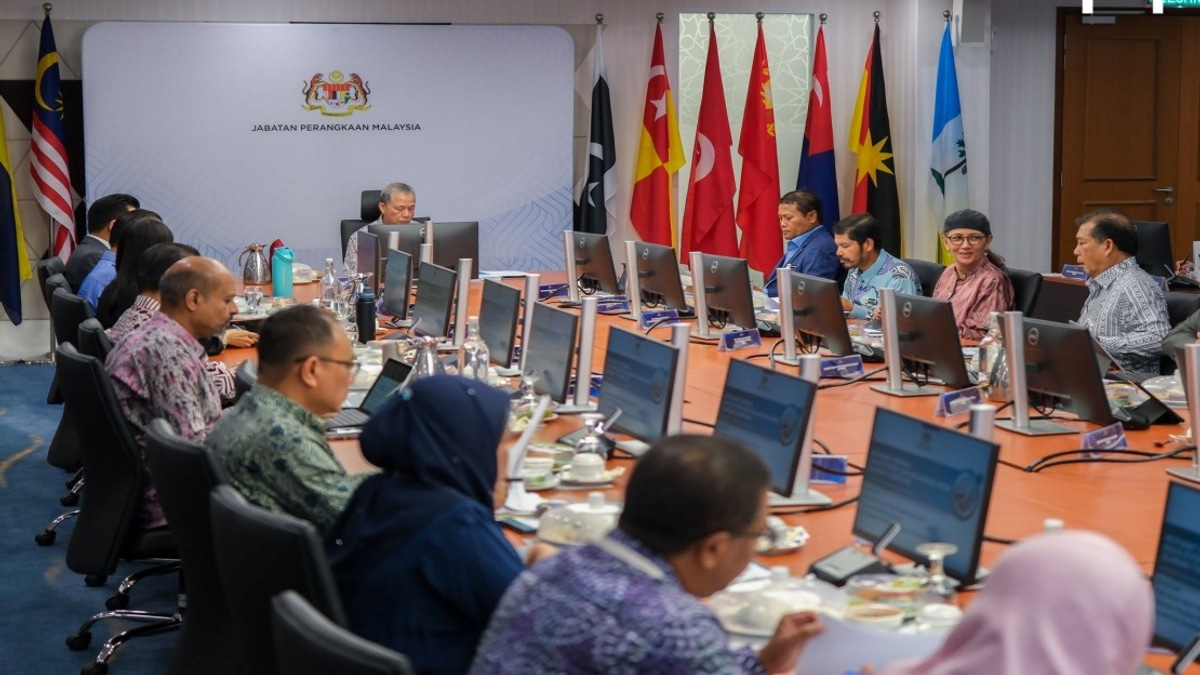
Hamzah Zainudin, the Larut MP and former deputy president of Parti Pribumi Bersatu Malaysia, participated in a gathering of opposition members of parliament convened by Parti Islam SeMalaysia in Kuala Lumpur on Tuesday. The attendance underscores the persistence of inter-party coordination efforts among politicians who have positioned themselves outside the current ruling coalition framework.
The meeting, organised by PAS as hosts, brought together lawmakers representing various opposition factions in a rare display of parliamentary cohesion across ideological boundaries. Hamzah's participation carries particular significance given his high-profile departure from Bersatu and his subsequent establishment of the Reset movement, a political initiative aimed at assembling alternative voices within Malaysia's fractious political landscape. His presence at a PAS-hosted event suggests a willingness among opposition figures to work collaboratively despite their separate organisational affiliations.
For Malaysian observers tracking parliamentary dynamics, such cross-factional meetings carry outsized importance. They often precede shifts in coalition mathematics or serve as platforms for discussing shared policy positions. The involvement of respected figures like Hamzah, who maintains considerable influence within his constituency and among reformist circles, indicates that opposition coordination remains active even during periods when public visibility of such efforts is limited.
PAS, which holds a unique position in Malaysian politics as an Islamist party with both rural and urban support bases, has increasingly positioned itself as a convener for broader opposition interests. This hosting role reflects the party's strategic calculations about its place within Malaysia's multi-faceted political competition. By bringing together opposition MPs regardless of their parent parties, PAS signals both its organisational capacity and its interest in shaping the broader narrative around alternative governance.
The gathering also reflects deeper structural realities within Malaysia's opposition. Unlike cohesive ruling coalitions, opposition movements necessarily encompass diverse constituencies with sometimes competing agendas. Meetings of this nature serve as pressure valves where disagreements can be aired and common positions identified without requiring formal mergers or loss of individual party autonomy. For politicians like Hamzah who operate within smaller or newer political vehicles, such forums provide visibility and networking opportunities unavailable through traditional party mechanisms.
Hamzah's Reset initiative has positioned itself as a platform for political renewal, attracting figures disaffected with the status quo within established parties. The Larut MP's decision to attend the PAS meeting suggests that Reset, despite its independent branding, remains embedded within opposition networks and conversations. This reality complicates any simplistic characterisation of Malaysian opposition politics as consisting of monolithic blocs. Instead, a complex ecosystem of overlapping memberships, alliances, and coordinate initiatives continues to evolve.
The timing and venue of such meetings are rarely coincidental in Malaysian politics. Kuala Lumpur gatherings of opposition MPs often occur when parliament is in session or shortly before critical legislative votes. These convocations allow opposition figures to synchronise messaging, discuss parliamentary tactics, and assess the mood among their respective support bases. For backbenchers and rising stars like those likely present, such meetings offer chances to build relationships and demonstrate commitment to opposition unity efforts.
From a governance perspective, opposition coordination meetings carry implications for parliamentary oversight and legislative scrutiny. A more unified opposition capable of coordinating its questioning and voting strategies can substantially constrain government options, even from a minority position. The Malaysian parliament has historically seen opposition MPs achieve disproportionate influence when they manage to maintain disciplined cooperation across party lines, particularly on matters of constitutional importance or high public salience.
Regional observers watching Malaysian politics will note that such meetings also reflect the broader Southeast Asian pattern of opposition fragmentation. Across the region, non-ruling groups struggle with the challenges of maintaining unity while preserving distinct identities and policy positions. Malaysia's case is particularly complex given the intersection of ethnolinguistic divisions, religious identity politics, and ideological differences that shape parliamentary alignments. Meetings convened by individual parties like PAS serve as mechanisms for navigating this complexity.
The participation of Hamzah Zainudin also signals something important about generational shifts within Malaysian opposition politics. His generation of leaders, coming of age during Malaysia's late twentieth-century democratic development, operates with different assumptions about coalition-building and inter-party cooperation than either their elders or their successors. This intermediate cohort often emphasises institutional reform and political realignment rather than merely seeking power within existing constitutional structures.
Moving forward, the frequency and composition of opposition meetings will likely influence Malaysian political trajectories. If coordination improves and opposition figures develop increasingly sophisticated collaborative mechanisms, the ruling coalition may face greater parliamentary challenges. Conversely, should such meetings reveal irreconcilable divisions, opposition capacity for effective scrutiny and alternative governance proposals will remain constrained. The Kuala Lumpur gathering therefore represents one small but potentially significant moment in the ongoing competition to shape Malaysia's political direction.